
Laurie Munn's 'Watergate Portraits'
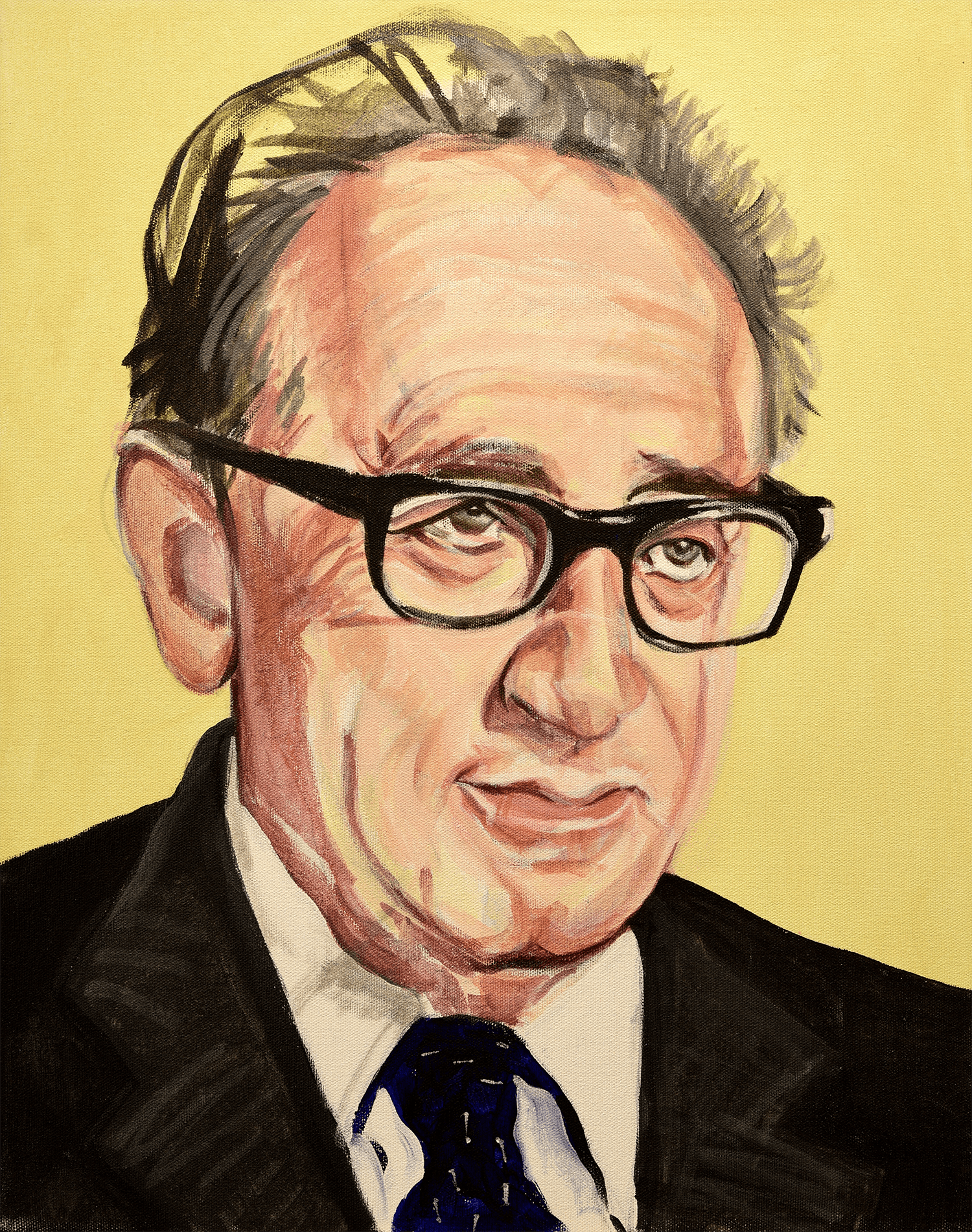
Heinz Alfred “Henry” KISSINGER
A political scientist and foreign policy theorist who endorsed a realpolitik approach in assessing world affairs, Kissinger was appointed to be Richard Nixon's National Security Advisor in 1969 as well as U. S. Secretary of State in 1973. He continued in these roles under President Gerald Ford until 1975 and 1977, respectively.
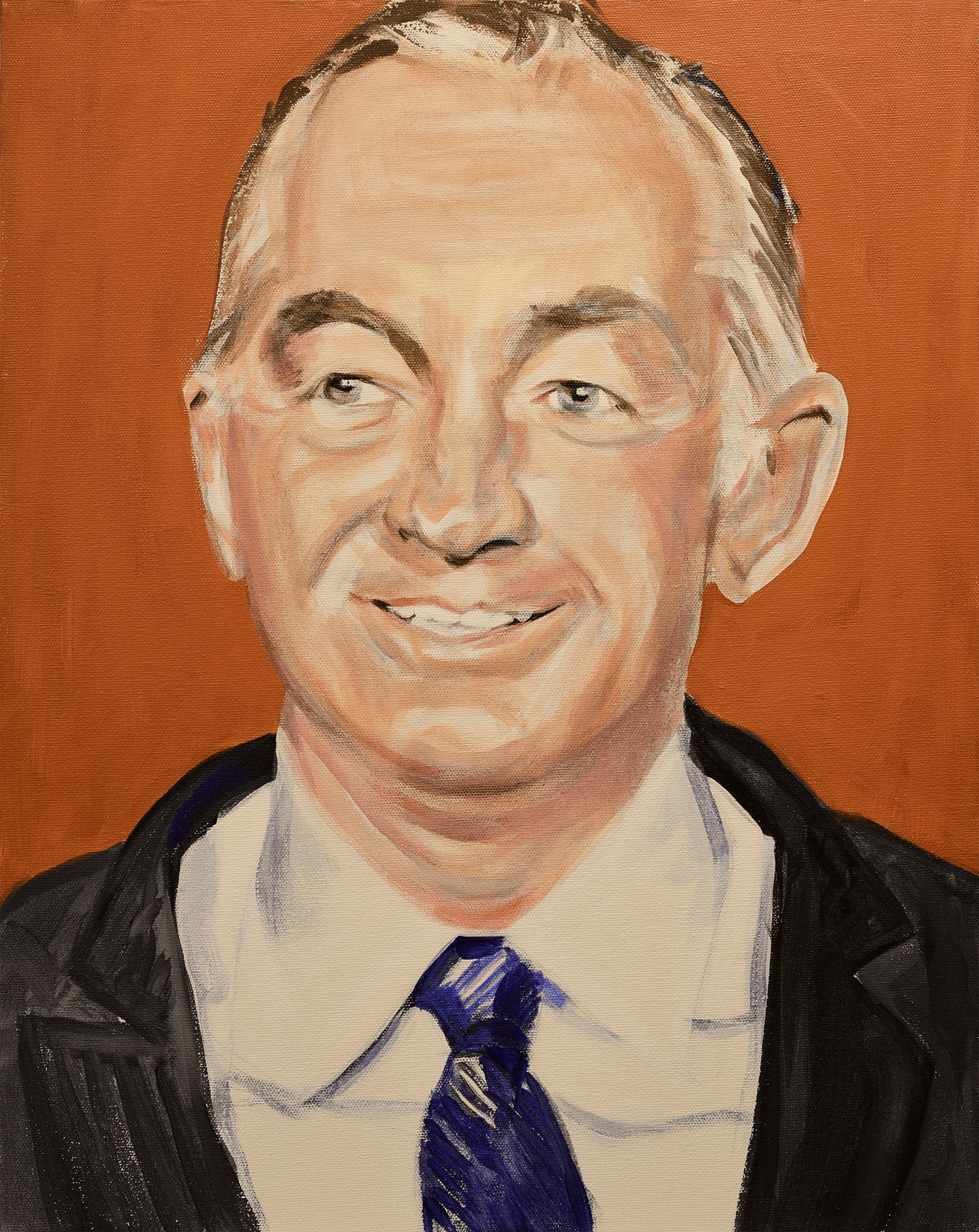
Maurice Hubert STANS
An American politician who served as United States Secretary of Commerce in President Nixon's first administration until he resigned in order to join the Committee for the Re-Election of the President (CRP) and ultimately became involved in the Watergate scandal by allowing money raised for campaign purposes to be used to cover costs pertaining to the Watergate break-in. He was convicted on three counts of violating the Federal Election Campaign Act and paid a fine.
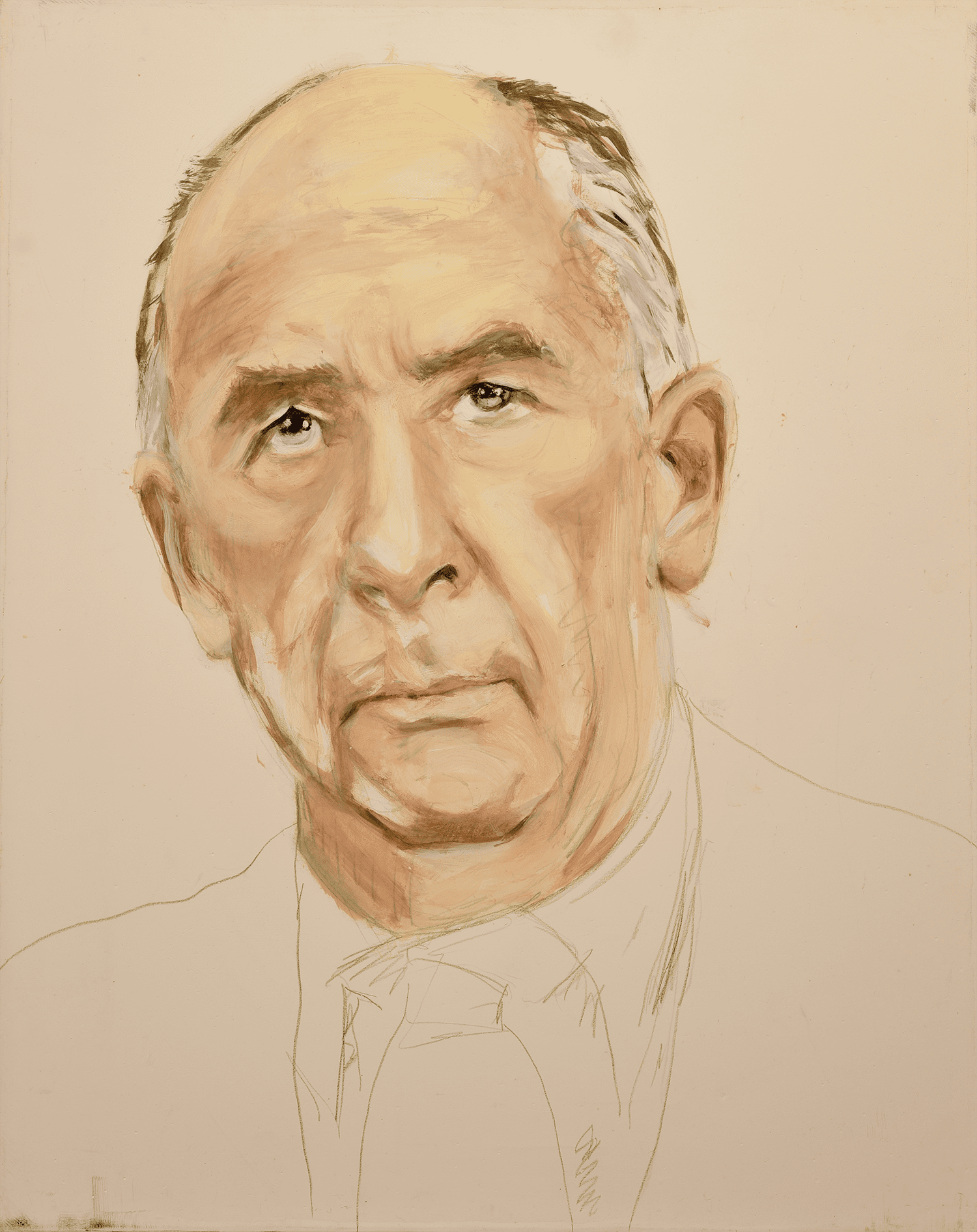
John Newton MITCHELL
John Mitchell was a successful municipal bonds attorney who became Richard Nixon's law partner, campaign advisor, Attorney General and, in 1972, the Director of the Committee for the Re-election of the President (CRP). He was convicted of perjury, obstruction of justice, and conspiracy with respect to the Watergate break-in and served time in prison but never implicated Richard Nixon.
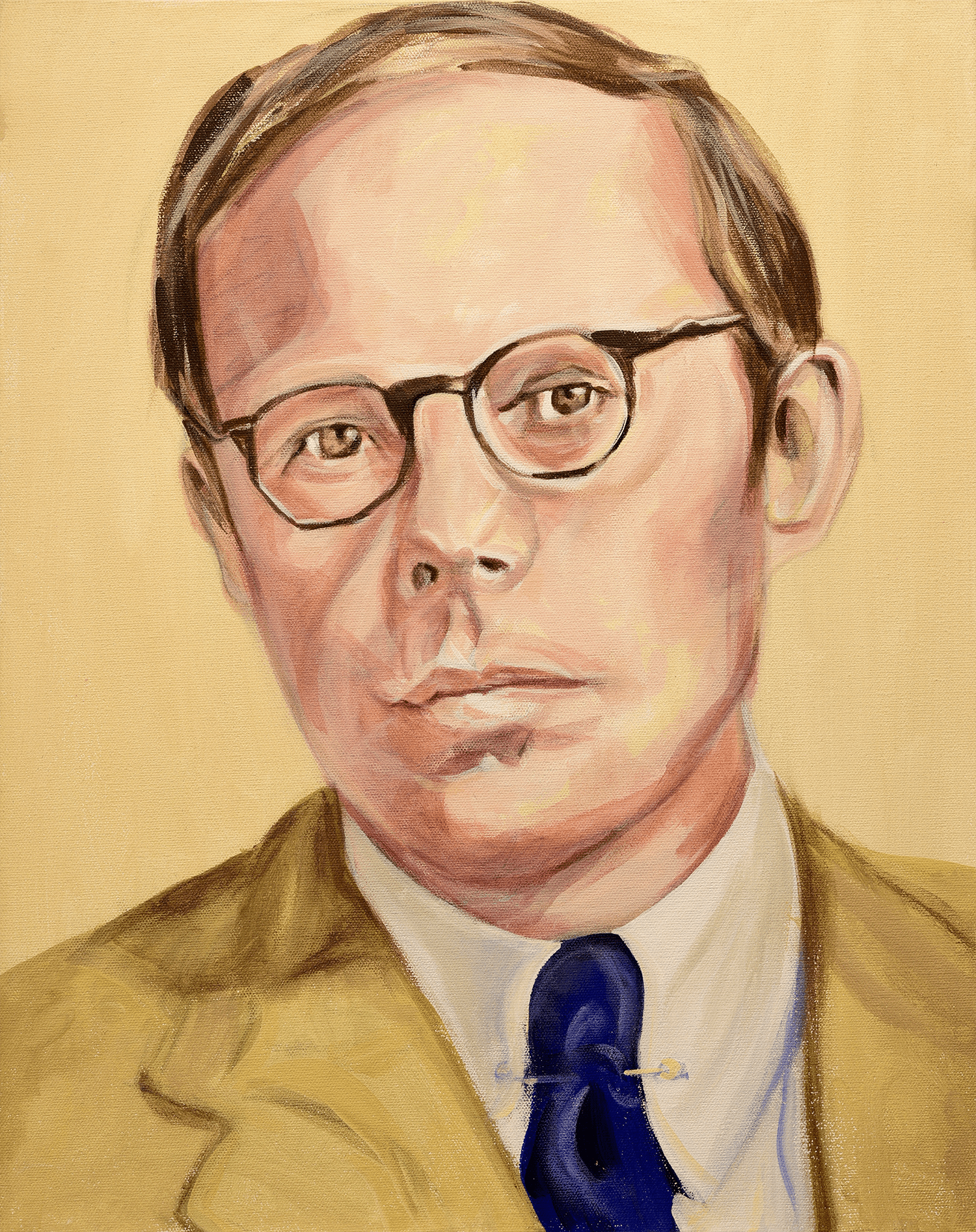
John Wesley DEAN III
John Wesley Dean was White House counsel during Richard Nixon's presidency and a key player in the Watergate cover-up. On April 6, 1973, he retained an attorney and began cooperating with Senate investigators. On June 25, 1973, Dean began his testimony before the Senate Watergate Committee. In his testimony, he implicated administration officials, including Mitchell, Nixon, and himself. During that testimony Dean described a March 21, 1973 conversation with Nixon in the Oval Office where Dean warned Nixon about the growing Watergate cover-up, describing it as "a cancer on the presidency" that needed to be contained. Dean pleaded guilty to obstruction of justice before Watergate trial judge John Sirica on October 19, 1973, admitting supervising payments of "hush money" to the Watergate burglars, notably E. Howard Hunt, and revealed the existence of Nixon's enemies list. Although sentenced for a felony, he ultimately received a lighter sentence due to his cooperation as a witness during the Congressional hearings and in the trial of Watergate conspirators Mitchell, Haldeman, Ehrlichman, Mardian, and Kenneth Parkinson.
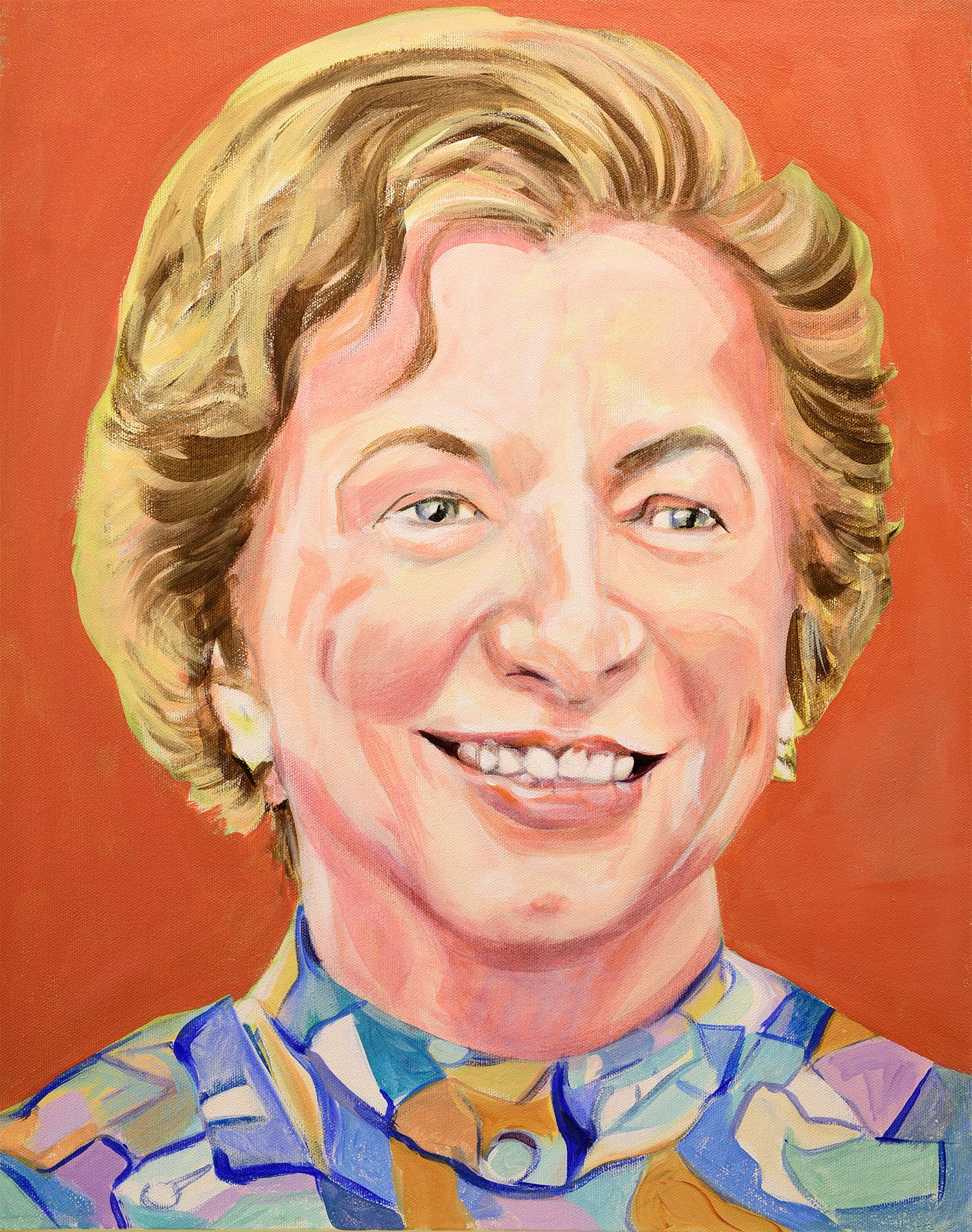
Rose Mary WOODS
Woods was Richard Nixon's private secretary from 1951 to the end of his political career. A close friend of the entire Nixon family, Woods was fiercely loyal and took the blame for the accidental erasure of several minutes of one of the White House tapes, stating that this must have occurred while she was reaching for something beyond her desk. This motion was nicknamed the "Rose Mary Stretch".
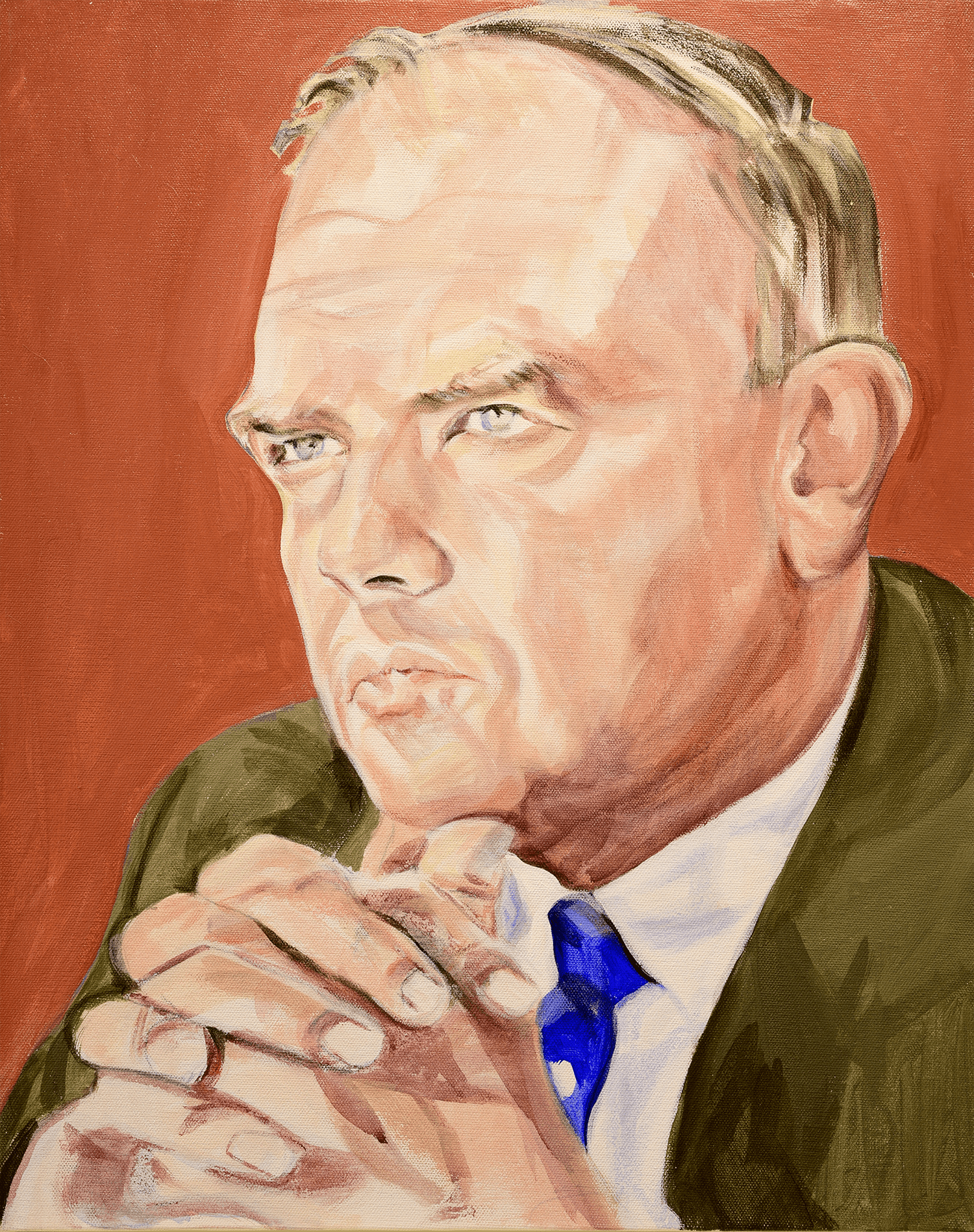
John Daniel EHRLICHMAN
A decorated military pilot and lawyer, Ehrlichman served as White House Counsel and then Chief Domestic Advisor to President Richard Nixon, and became a member of Nixon's inner circle of political advisors. In this capacity, he oversaw the creation of the group known as "The Plumbers" to investigate leaks of confidential information following the scandalous exposure of the Pentagon Papers. "The Plumbers" were central perpetrators of the Watergate break-in. Ehrlichman was later convicted of perjury, conspiracy and obstruction of justice, and served time in prison.
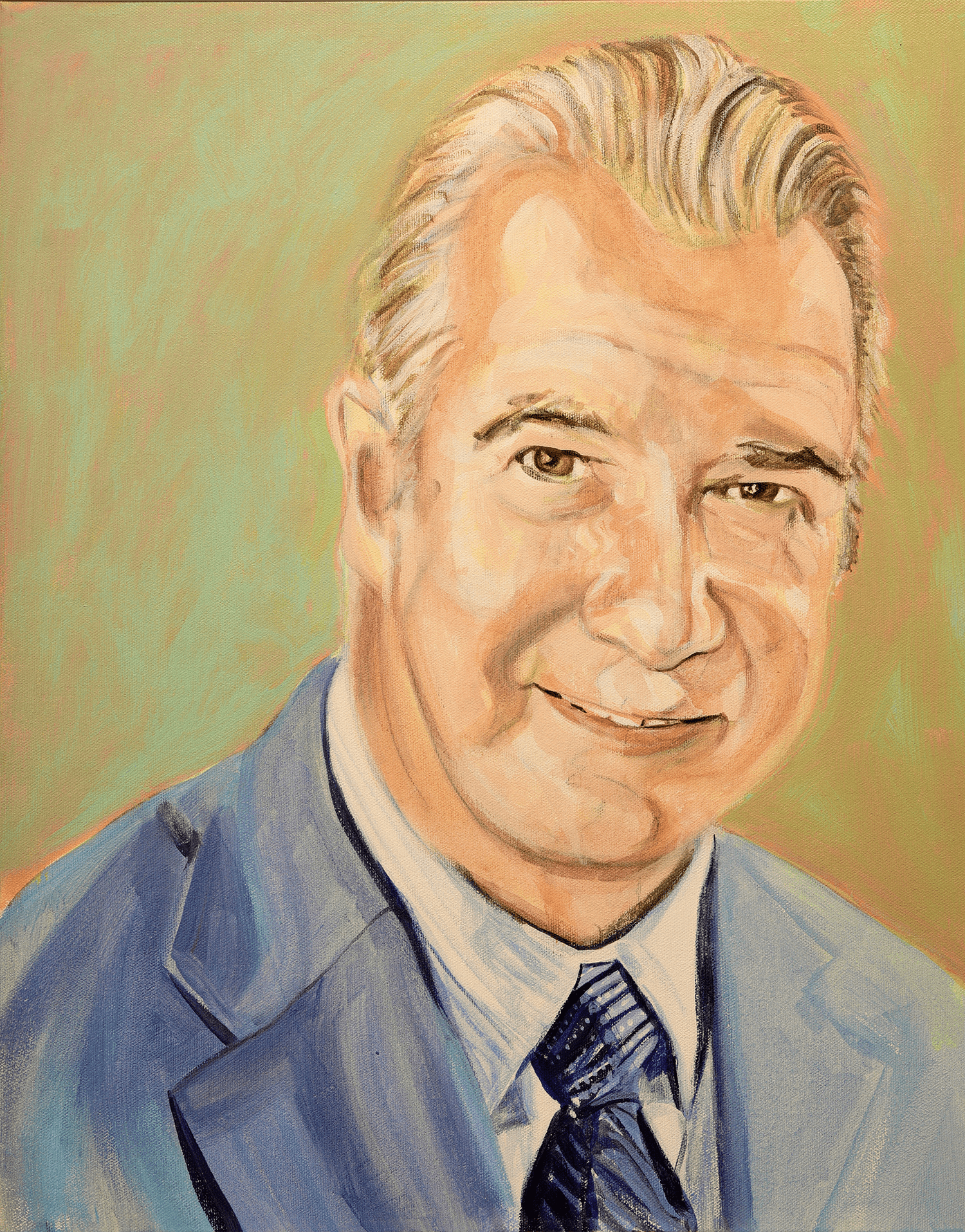
Spiro Theodore AGNEW
The 55th Governor of the State of Maryland, Agnew was elected 39th Vice President of the United States with President Richard Nixon, but resigned his position in 1973 when he was exposed for taking kickbacks for extortion initiated when he was still a Governor. He was not implicated in the Watergate scandal, but his resignation made way for the appointment of House Republican Leader Gerald R. Ford to become Vice President.
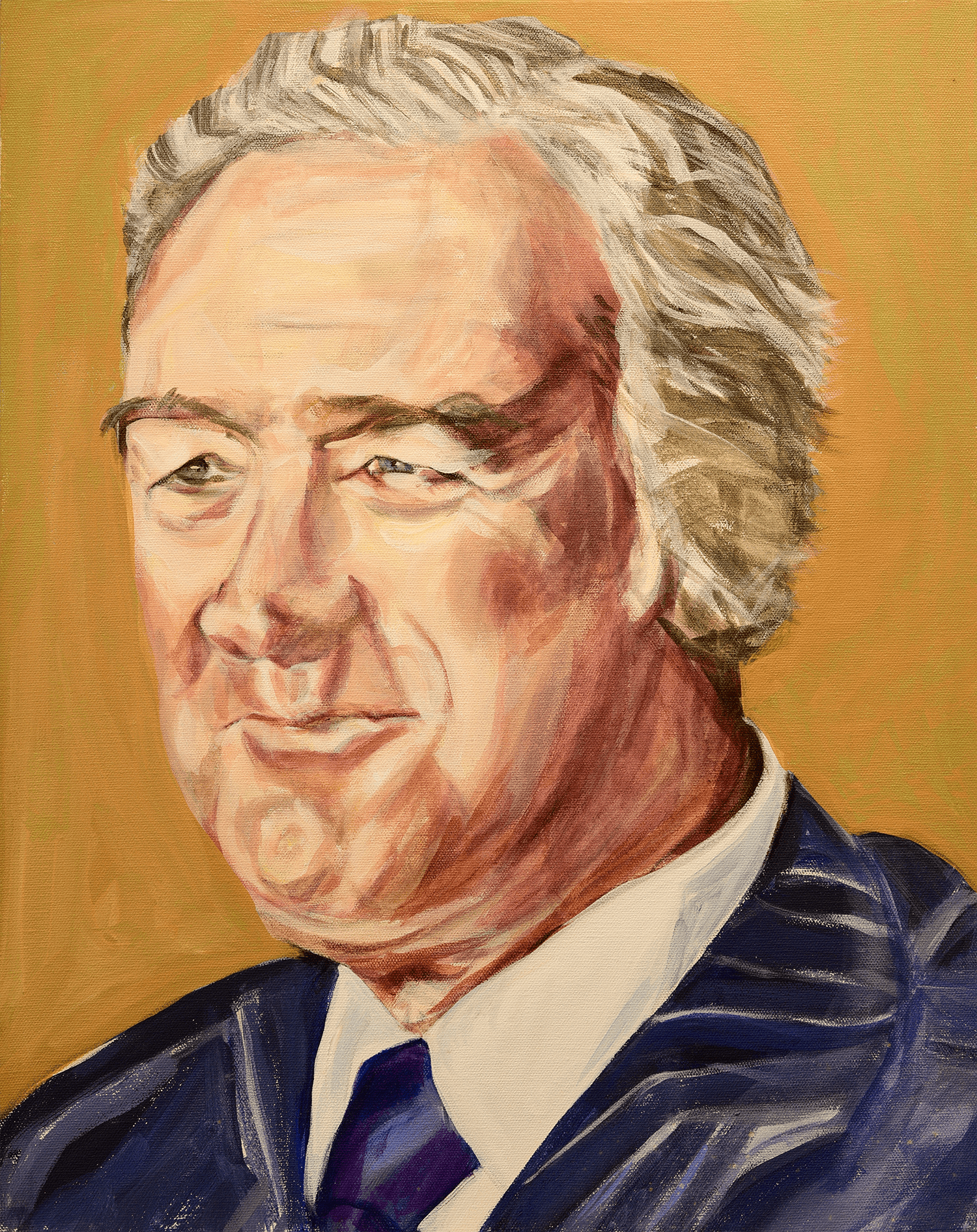
John Bowden CONNALLY, Jr.
Although the Democratic Governor of the State of Texas, he became the Secretary of the Treasury under President Nixon and oversaw the elimination of the gold standard for the U.S. dollar. He was considered as a replacement for Vice President Agnew, but that position ultimately was offered to Gerald Ford.
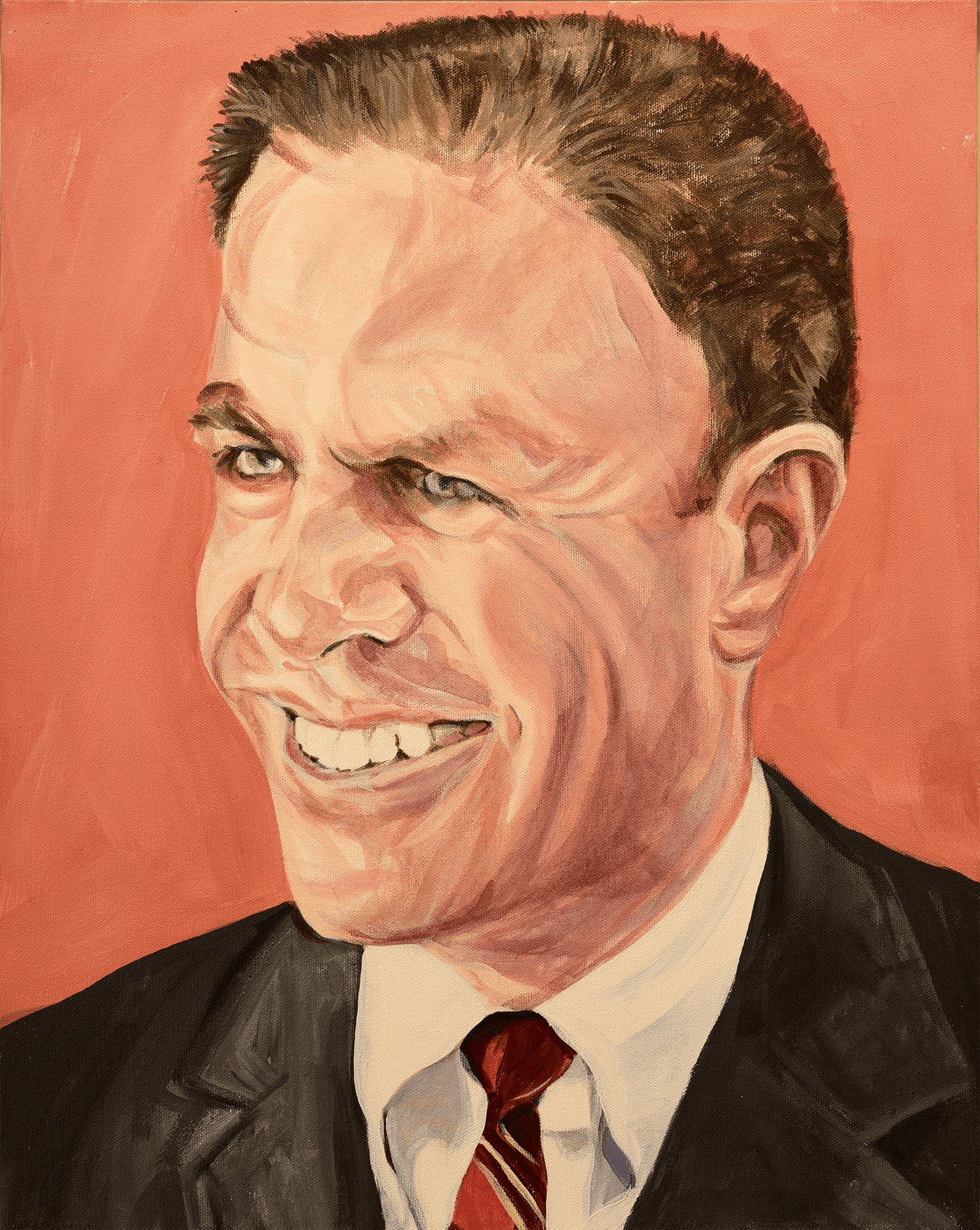
H. R. (Henry Robbins) “Bob” HALDEMAN
An advertising executive and Republican businessman who became Chief of Staff in the Nixon White House, Haldeman became a key actor in the attempted cover-up of the Watergate scandal. He ultimately was convicted of perjury, conspiracy and obstruction of justice and served time in prison. In an autobiography, he maintained that President Nixon not only participated in the cover-up, but had actually initiated the break-in.
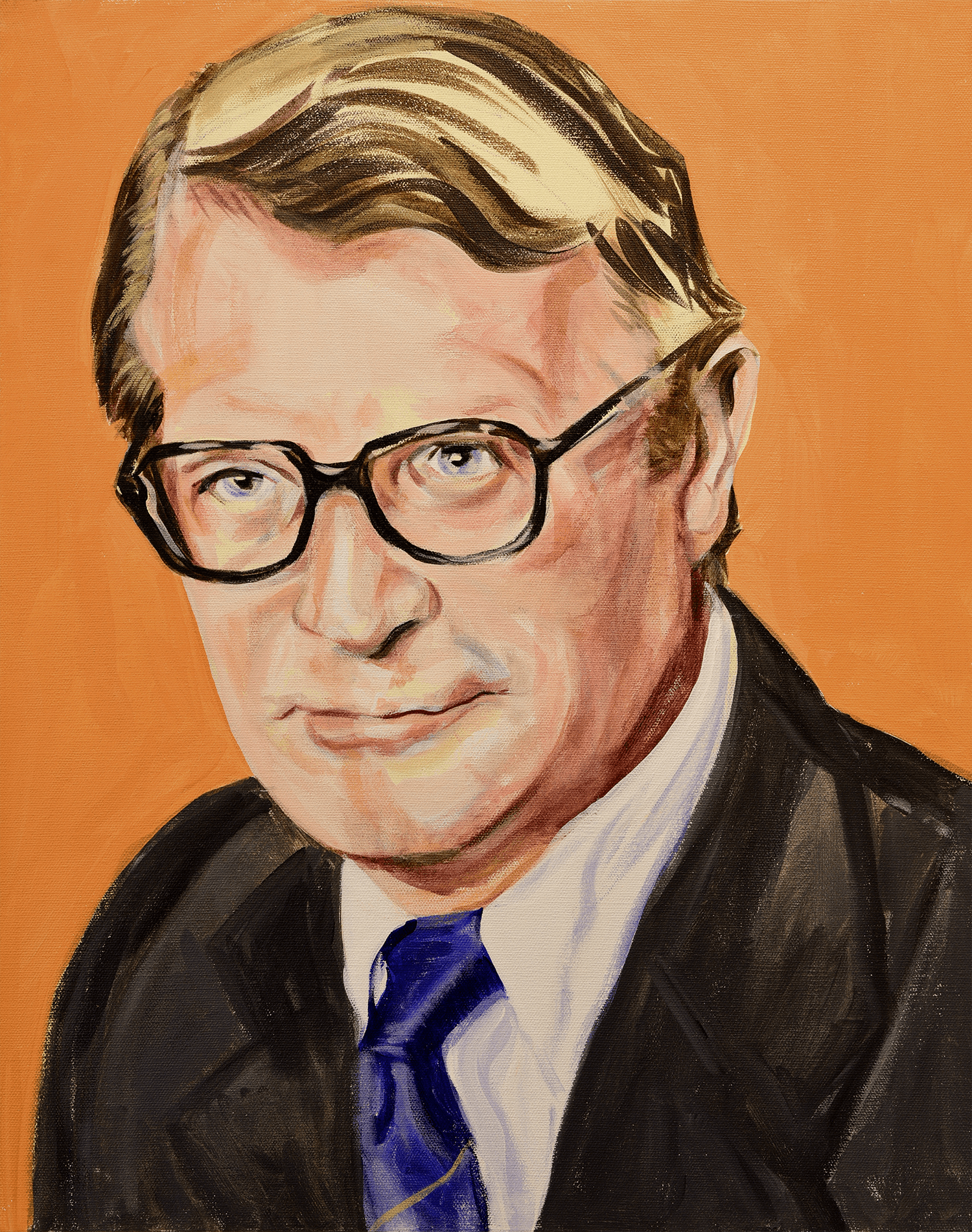
Elliot Lee RICHARDSON
A Harvard trained lawyer and Republican politician, in 1969, Richardson became the Under Secretary of State in the Administration of Richard Nixon, but then became Secretary of the Department of Health, Education and Welfare in 1970. He became Secretary of the Department of Defense in 1973, and then moved into the job of Attorney General. In this role, he supervised the investigation of the bribery charges against Vice President Spiro Agnew. The continuing investigation of the Watergate burglary cover-up also fell into his purview and he appointed Archibald Cox as Special Prosecutor for the investigation. When President Nixon refused to comply with subpoenas issued by Cox, he ordered Richardson to fire Cox. However, Richardson refused to do this and instead, he resigned from his position as Attorney General. Later, during the administration of Gerald Ford, Richardson became Ambassador to the United Kingdom, and then Secretary of Commerce.
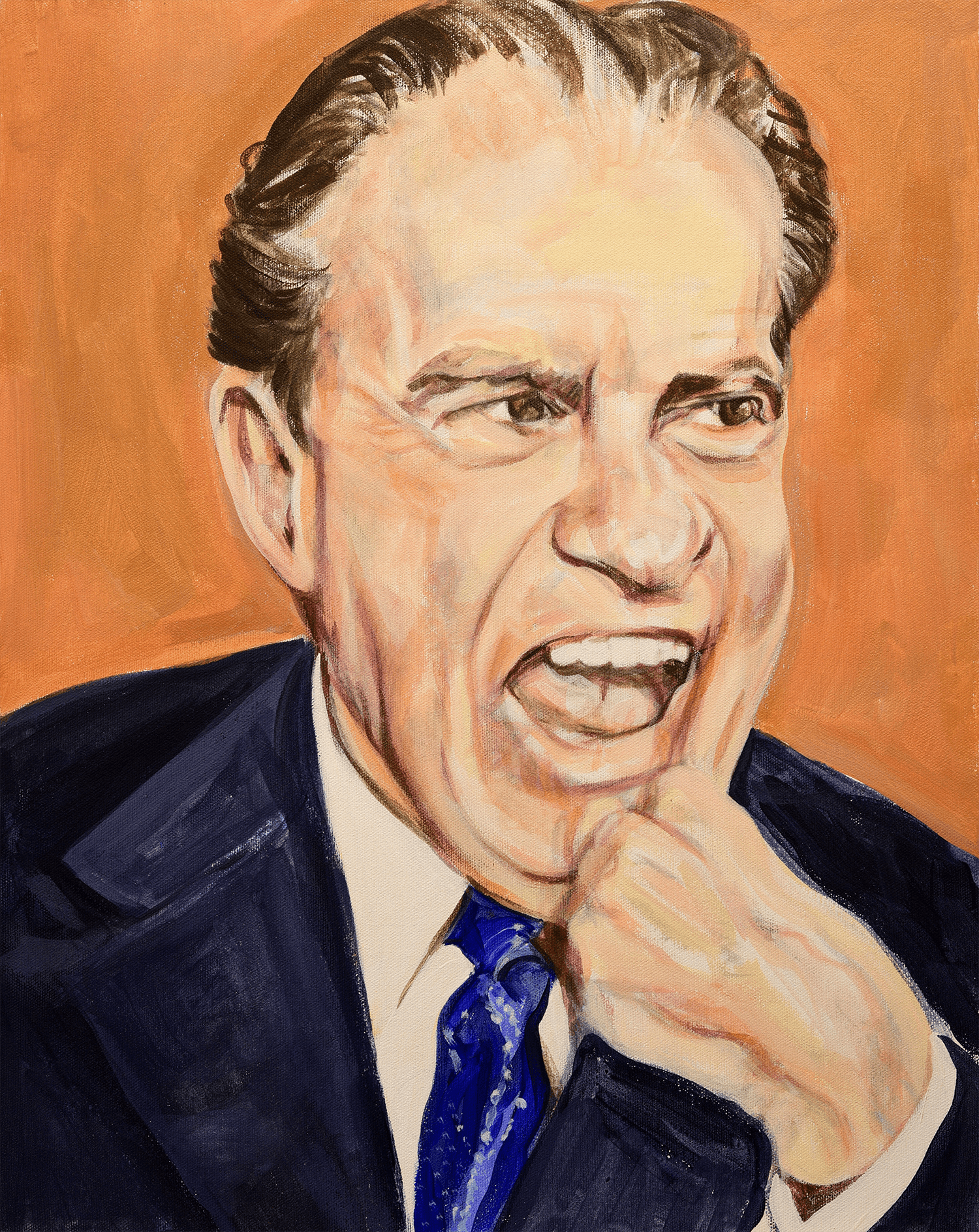
Richard Milhous NIXON
The 37th President of the United States, from January 20, 1969 through August 8, 1974, Nixon was the only U.S. President to resign his office rather than undergo impeachment proceedings as a result of the Watergate scandal. His successor, Gerald Ford decided that the turmoil in the country following Nixon's resignation would not be quelled unless the country could really be finished with the situation. On September 8, 1974, he granted Nixon a "full, free, and absolute pardon", which ended any possibility of an indictment.
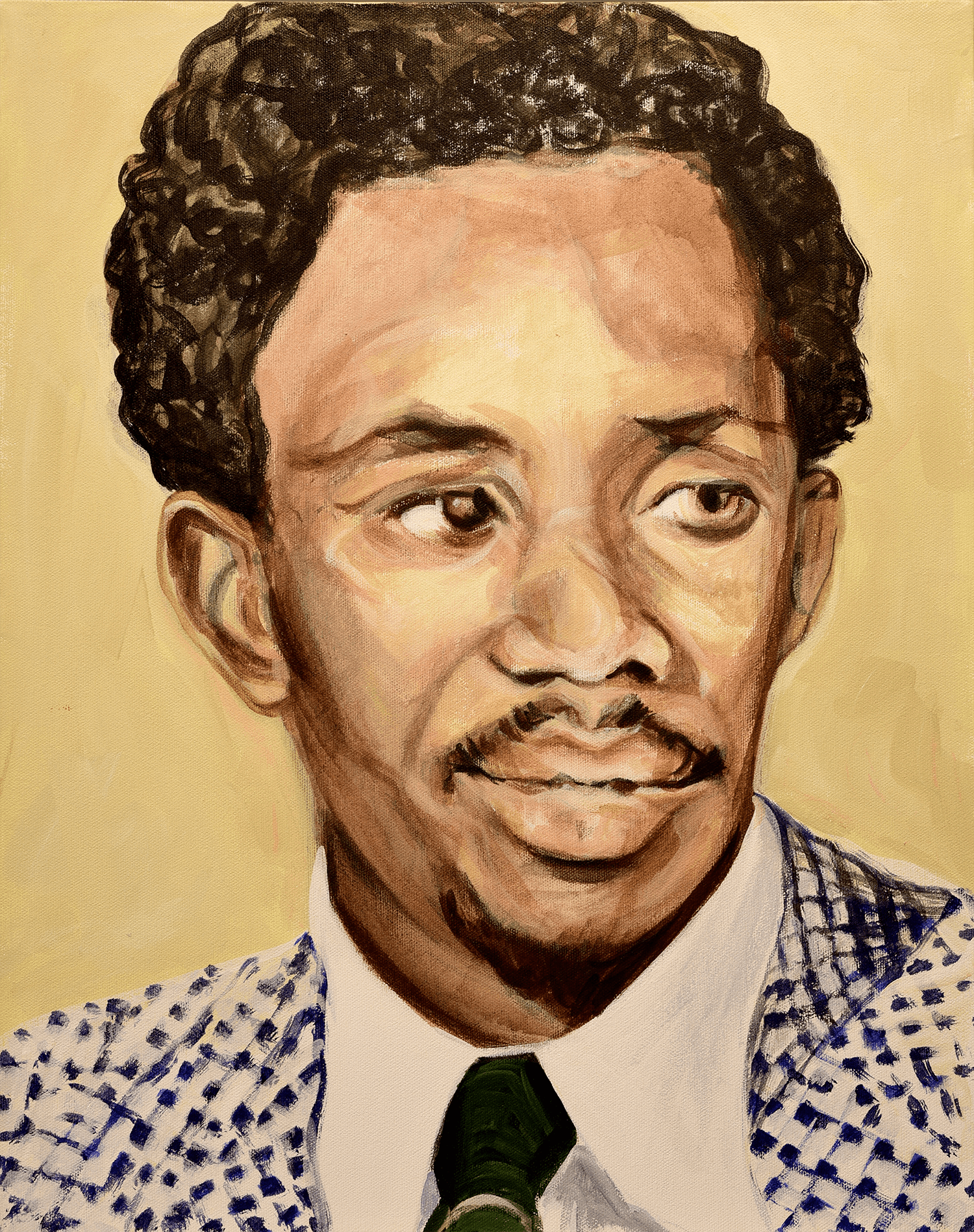
Frank WILLS
On June 16, 1972, Frank Wills, then 24, was an evening security guard on duty inside the Watergate Office Building when he came upon a door leading to the garage which was taped so the door would not lock. He called the police. This led to the apprehension of five burglars at the Democratic National Headquarters which became the genesis of what became known as the Watergate break-in, the resulting cover-up and scandal of which led to the resignation of President Richard Nixon. Despite being labeled a hero for reporting the burglary, Wills received an insubstantial raise for his actions and soon quit his position at the Watergate and never received the fame and notoriety as some of the others associated with the Watergate scandal.
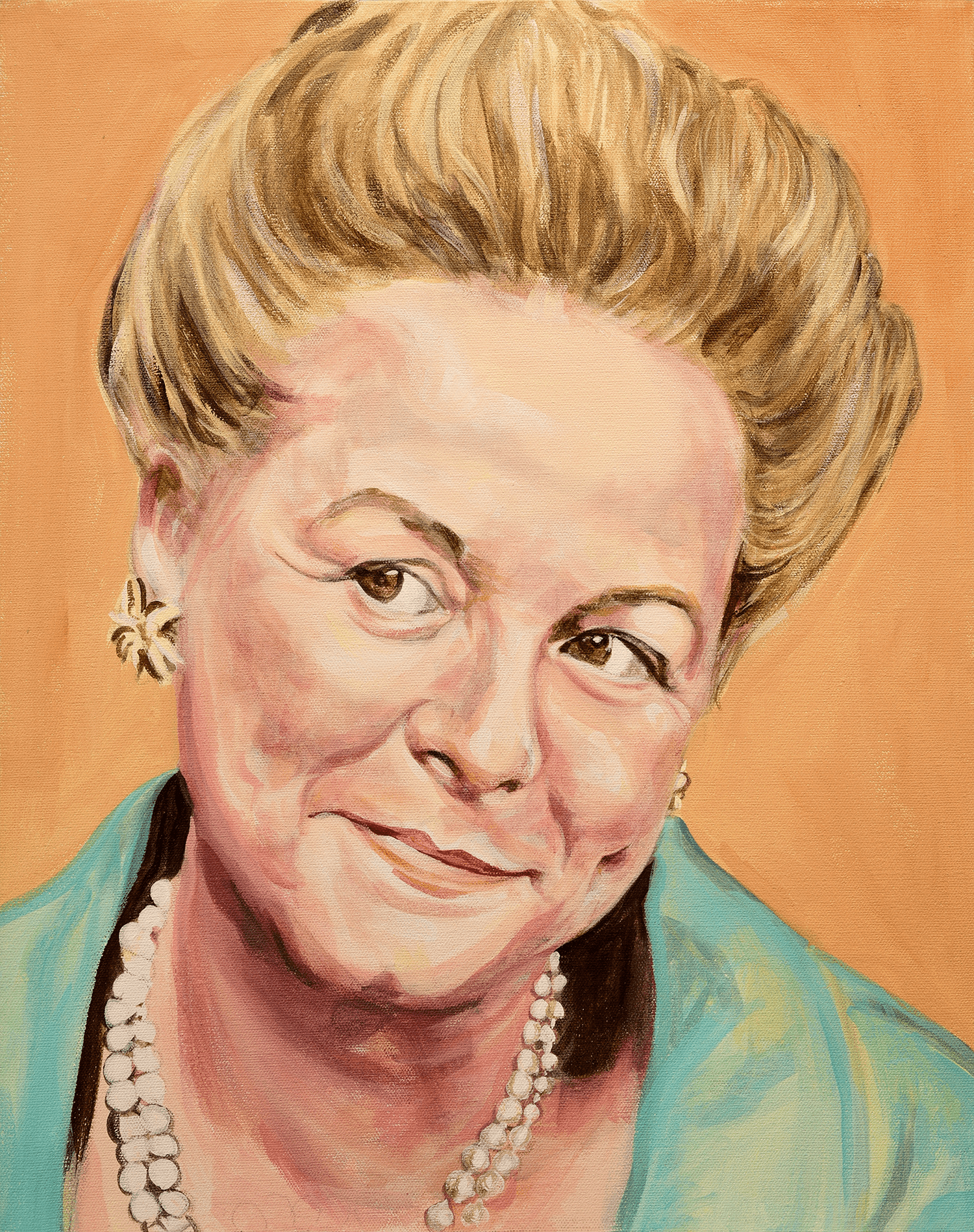
Martha MITCHELL
Martha Mitchell, the wife of John Mitchell, was a flamboyant, garrulous, publicity-seeker (nicknamed "the Mouth from the South") but deeply devoted to her husband. She became an embarrassment to the administration as she evolved from a Nixon devotee into a public critic. Upon learning of the Watergate break-in, she became concerned that the White House would make her husband the "fall guy". Woodward and Bernstein confirmed she had leaked information to them in order to reveal Nixon's role in the break-in. However, her attempts to warn the press of her suspicions led to multiple attempts to silence her, including drugging and virtual kidnapping by a member of the Secret Service detail. The Mitchells left Washington at the end of 1972, and separated shortly thereafter. Martha died of cancer in 1975. Although her husband tried to hold a closed minimal burial service for her, both press and fans lined the streets and a large wreath of white chrysanthemums with a ribbon proclaiming "Martha was right" from an unknown person was delivered to the grave site. Nixon later told David Frost that "If it hadn't been for Martha Mitchell, there'd have been no Watergate."
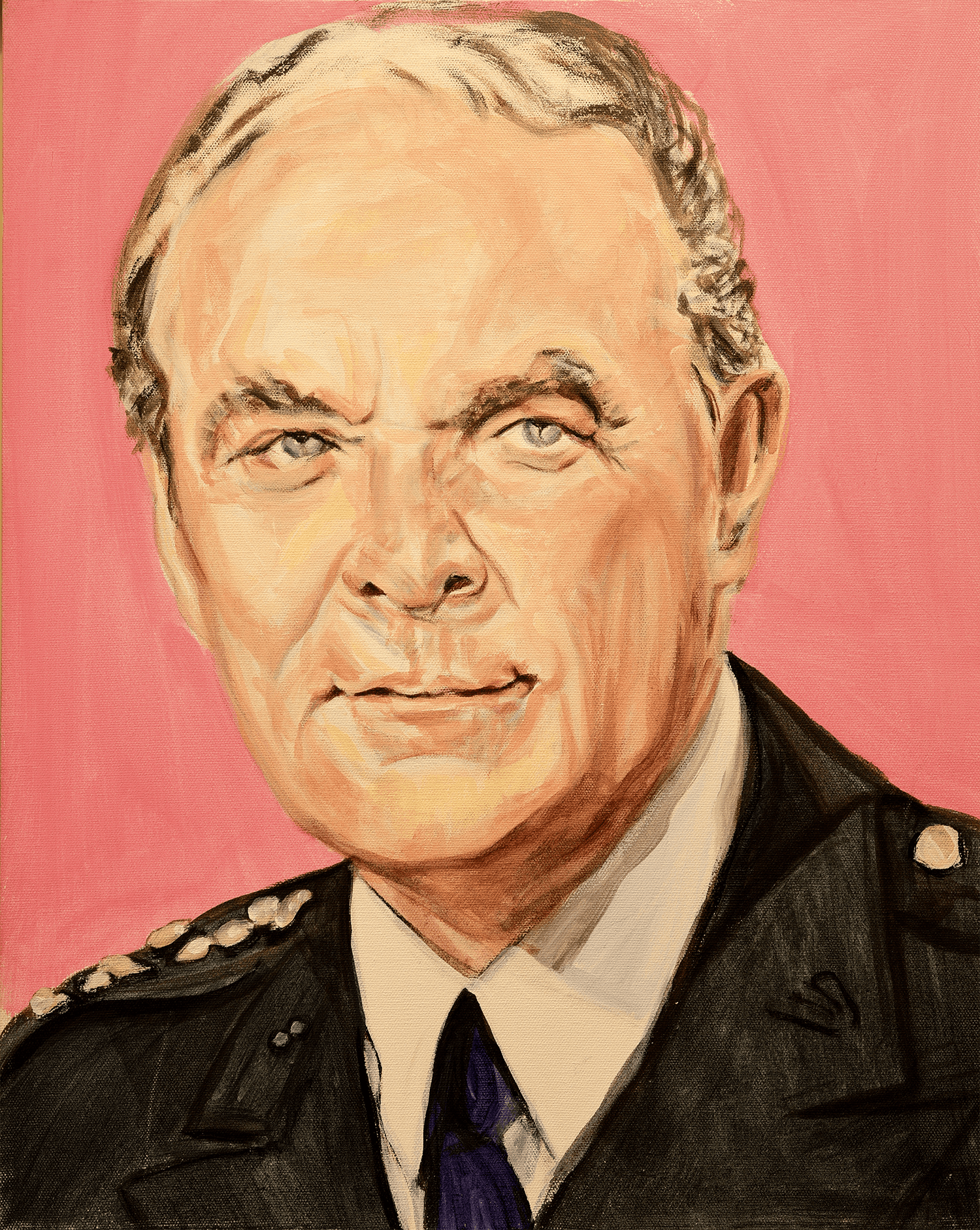
Alexander Meigs HAIG Jr.
A man of "strong convictions and stronger ambitions", Haig was a West Point graduate as well as holding an MBA and an MA in International Relations. He had an illustrious career as a military officer becoming the youngest four-star general in the U.S. Army's history. In March 1973, he became White House Chief of Staff, remaining in the position until September 1974, after overseeing the transition to Gerald Ford's presidency upon Richard Nixon's resignation on August 9, 1974. Later, Haig served as a somewhat controversial Secretary of State to President Ronald Reagan as well as making an unsuccessful attempt at the Presidency.
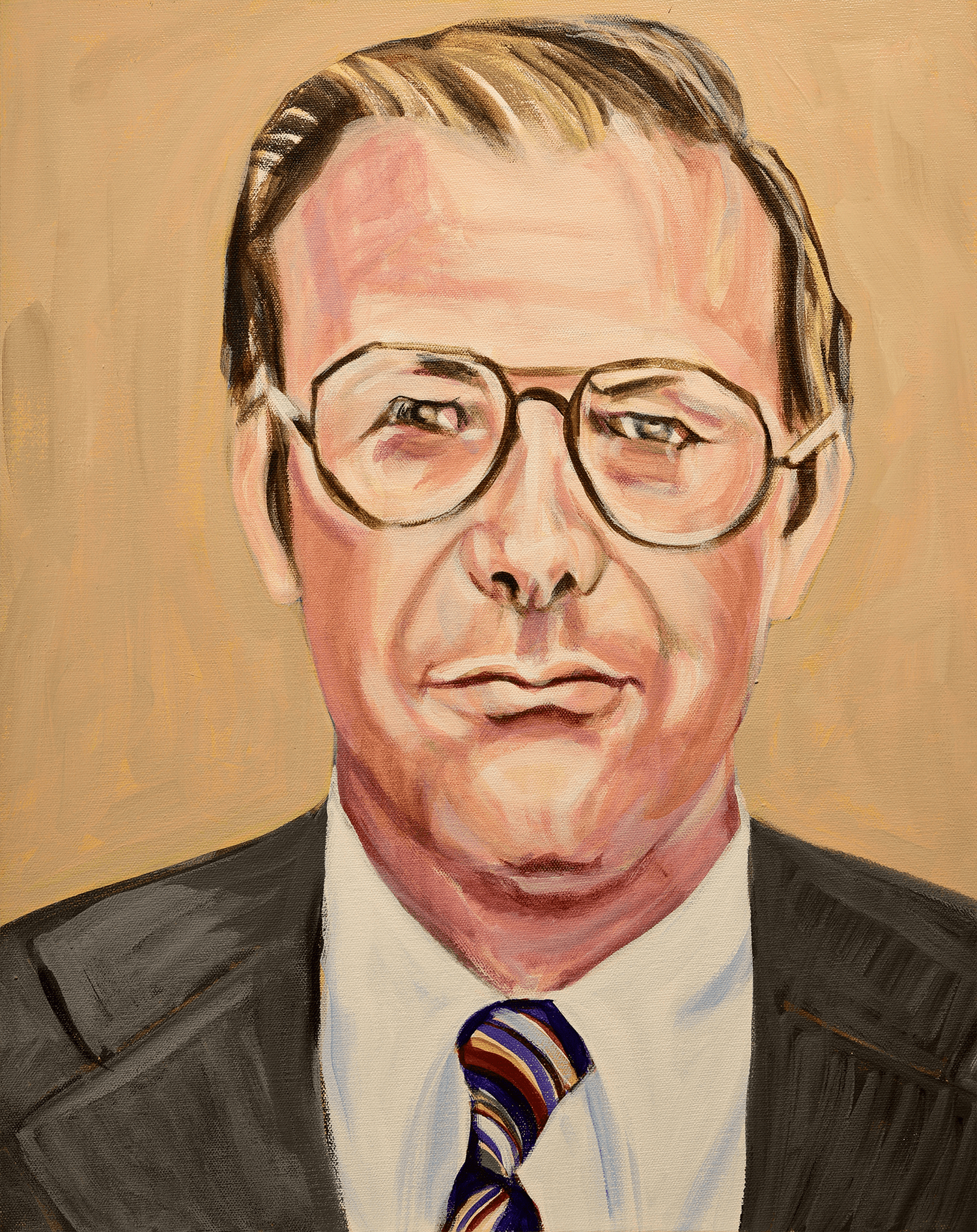
Donald RUMSFELD
A Republican Congressman from the State of Illinois from 1962 through 1969, Rumsfeld joined the Nixon Administration as director of the United States Office of Economic Opportunity (OEO) and then served in a variety of mid-level positions, becoming U.S. Ambassador to NATO. He returned to Washington to become Gerald Ford's White House Chief of Staff.
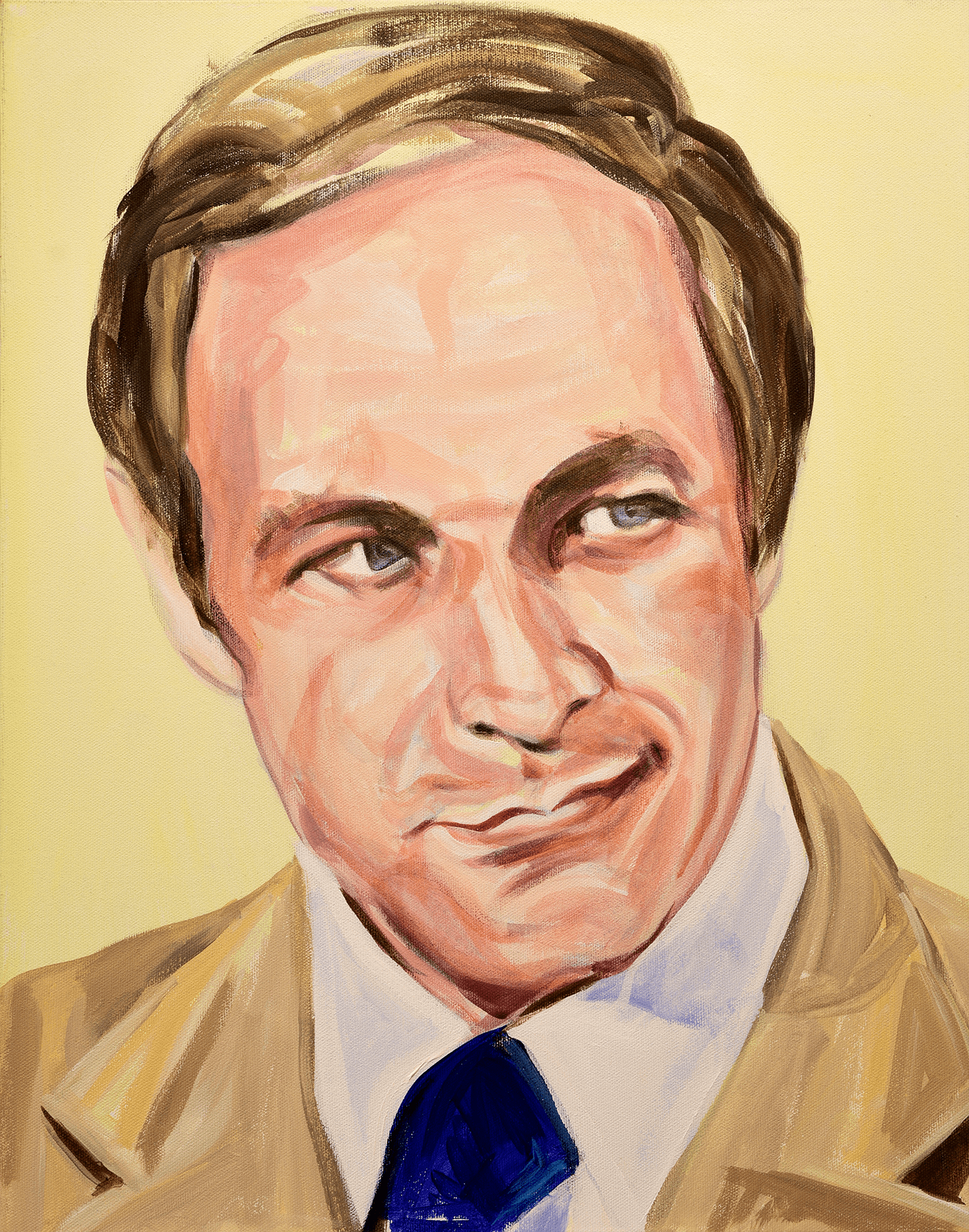
Richard Bruce “Dick” CHENEY
An American politician who served on Donald Rumsfeld's staff and later held several assistant roles in President Richard Nixon's White House, he became White House Chief of Staff to President Gerald Ford following Richard Nixon's resignation. Cheney has remained a prominent political figure: he has served as Wyoming's Congressional Representative, Secretary of Defense under President George H. W. Bush as well as Vice President under President George W. Bush.
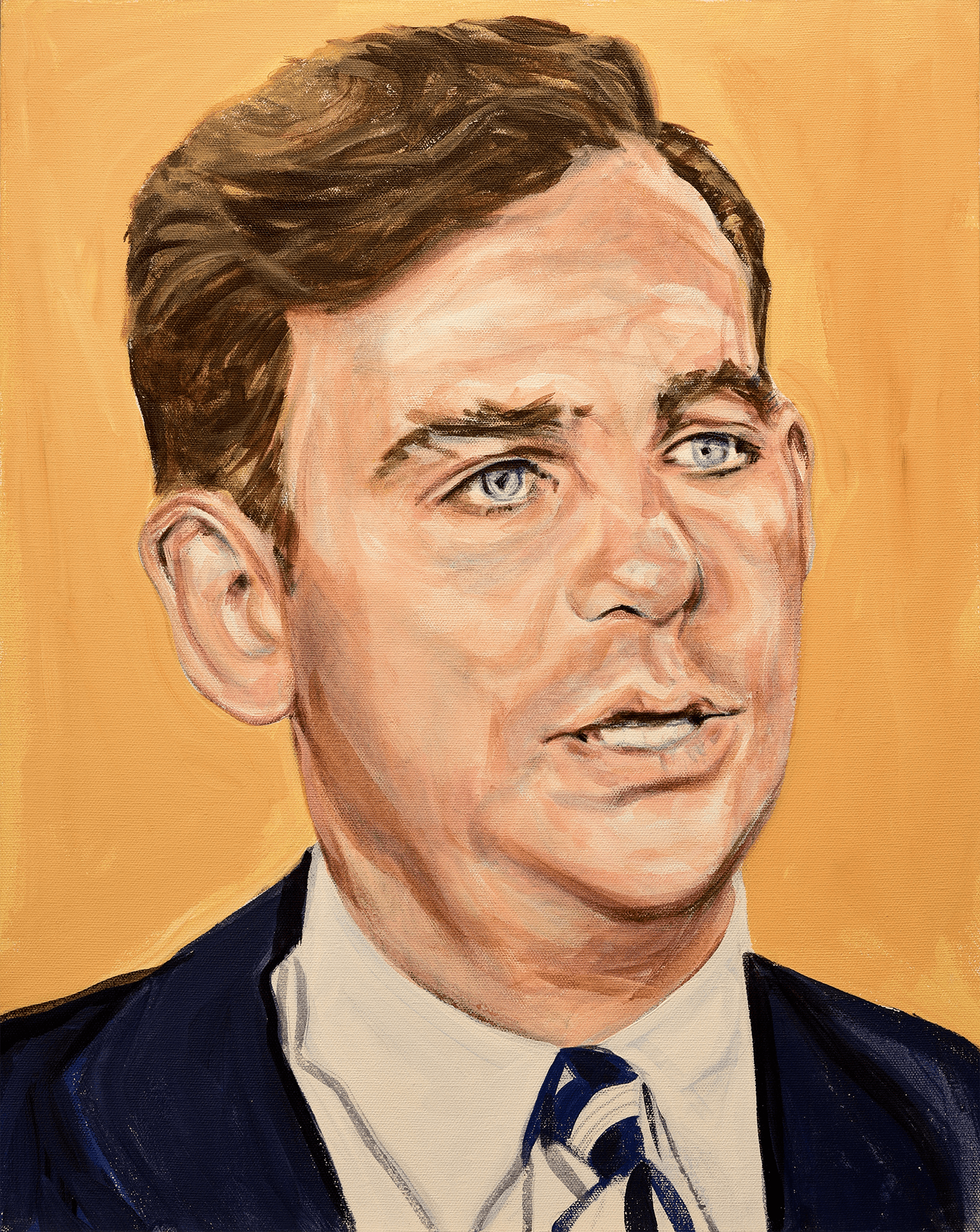
Ronald Louis “Ron” ZIEGLER
Zeigler worked as White House Press Secretary from 1969 through 1974, during the administration of President Nixon. He remained fiercely loyal to the President, even accompanying him on the plane to California following his resignation.
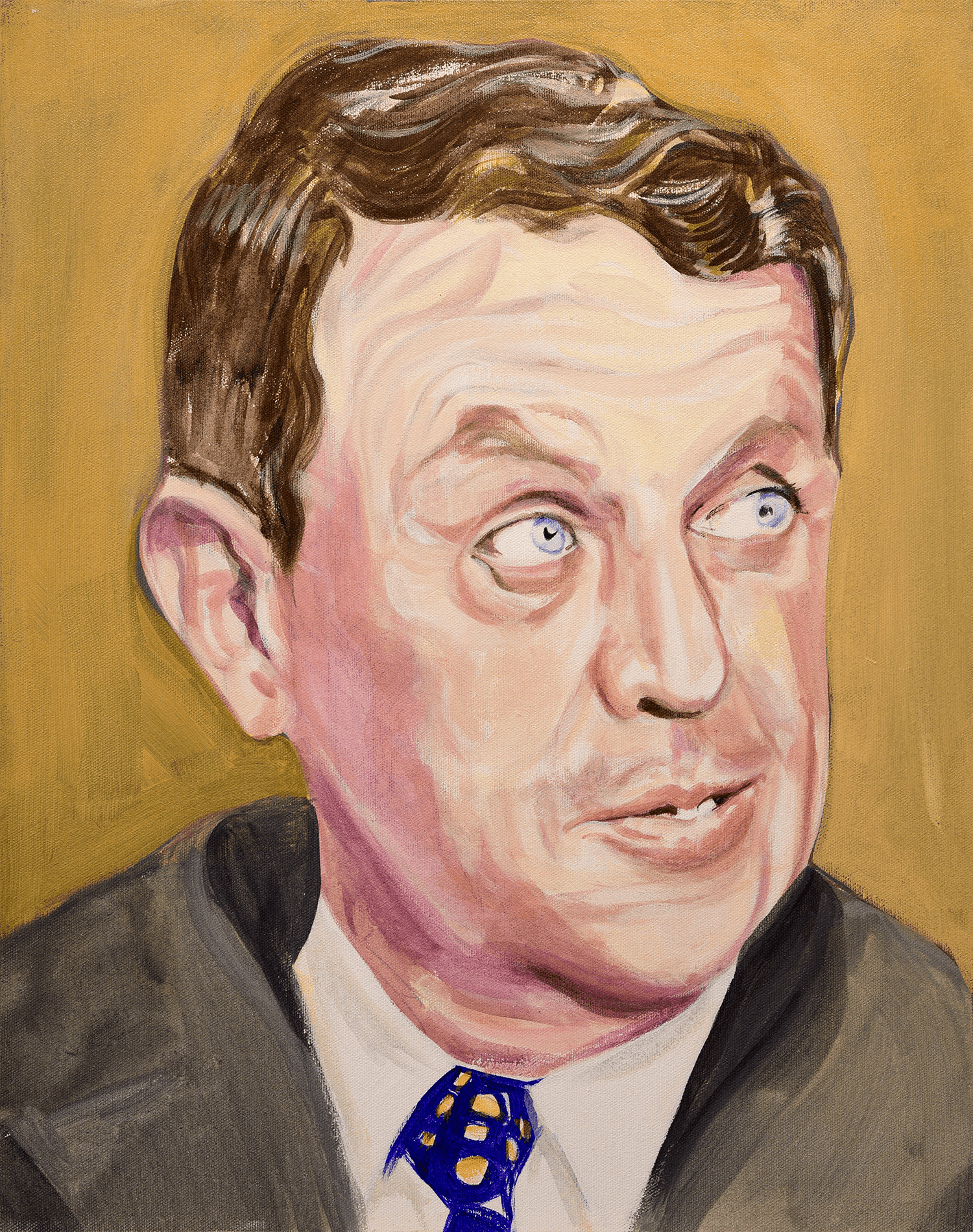
Herbert Warren KALMBACH
An American attorney in private practice who became a friend and early supporter of Richard Nixon's career, Kalmbach joined CRP (the Committee to Re-elect the President) in 1972 as Deputy Finance Director. In this capacity, he participated in several scandals pertaining to the exchange of political favors for campaign contributions, as well as secret exchanges of large funds for questionable sabotage and espionage operations. He was convicted and served prison time and was disbarred, though later reinstated, for his actions.
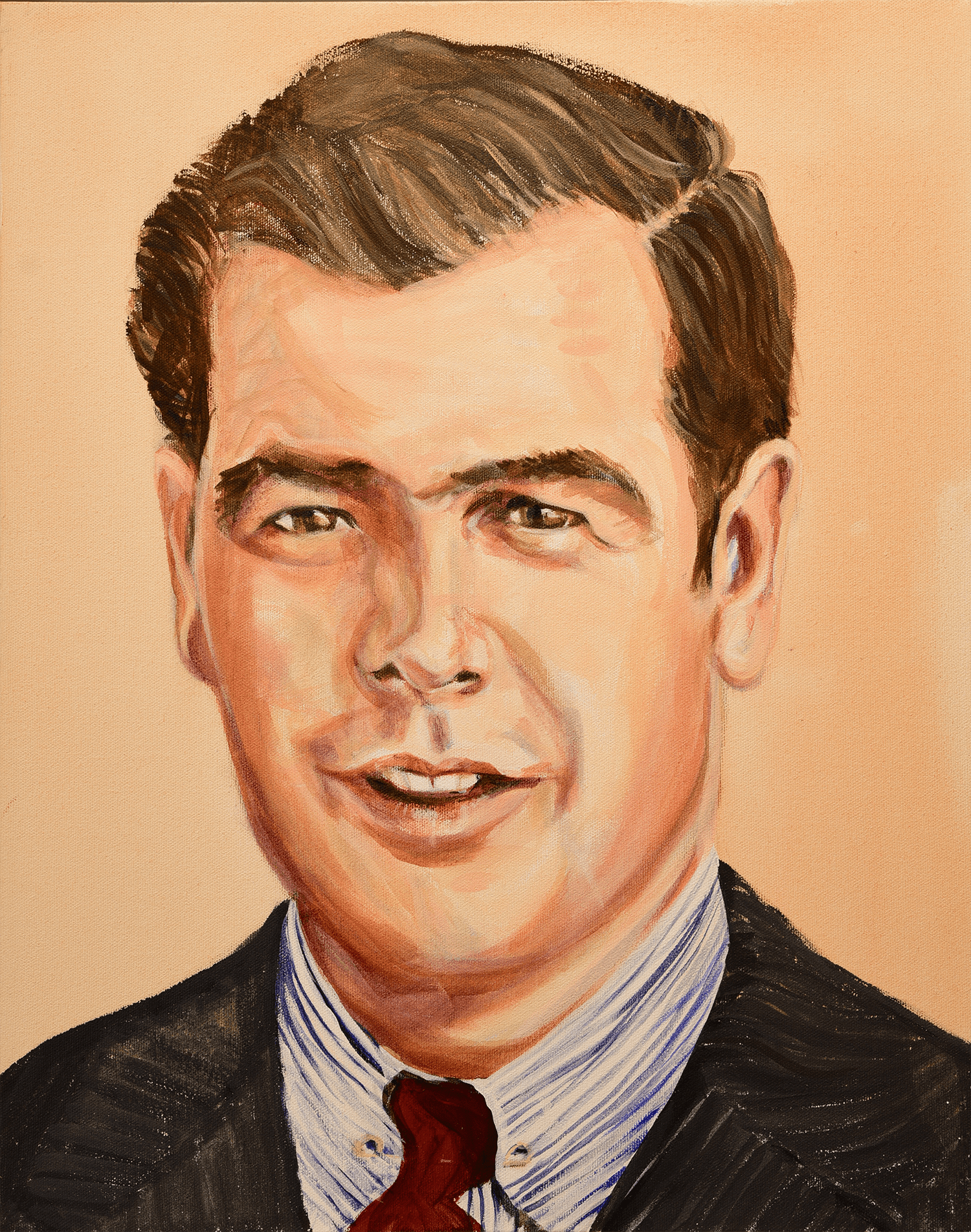
Dwight L. CHAPIN
A political activist who was Deputy Assistant to President Nixon through 1973. He was the appointments secretary, responsible for scheduling presidential activities, appointments, and travel. In addition, Chapin was in charge of the White House television office. He also oversaw the hiring and the supervising of presidential advance men. Chapin hired Donald Segretti, a former colleague from USC, as a "dirty tricks" disrupter of Democratic candidates' campaigns. After Segretti later testified before a Watergate grand jury about the activities, including Chapin's supervisory role, Chapin, during his own grand jury testimony, denied any detailed knowledge of Segretti or his actions. Chapin was ultimately convicted of making false material declarations before a grand jury and served prison time.
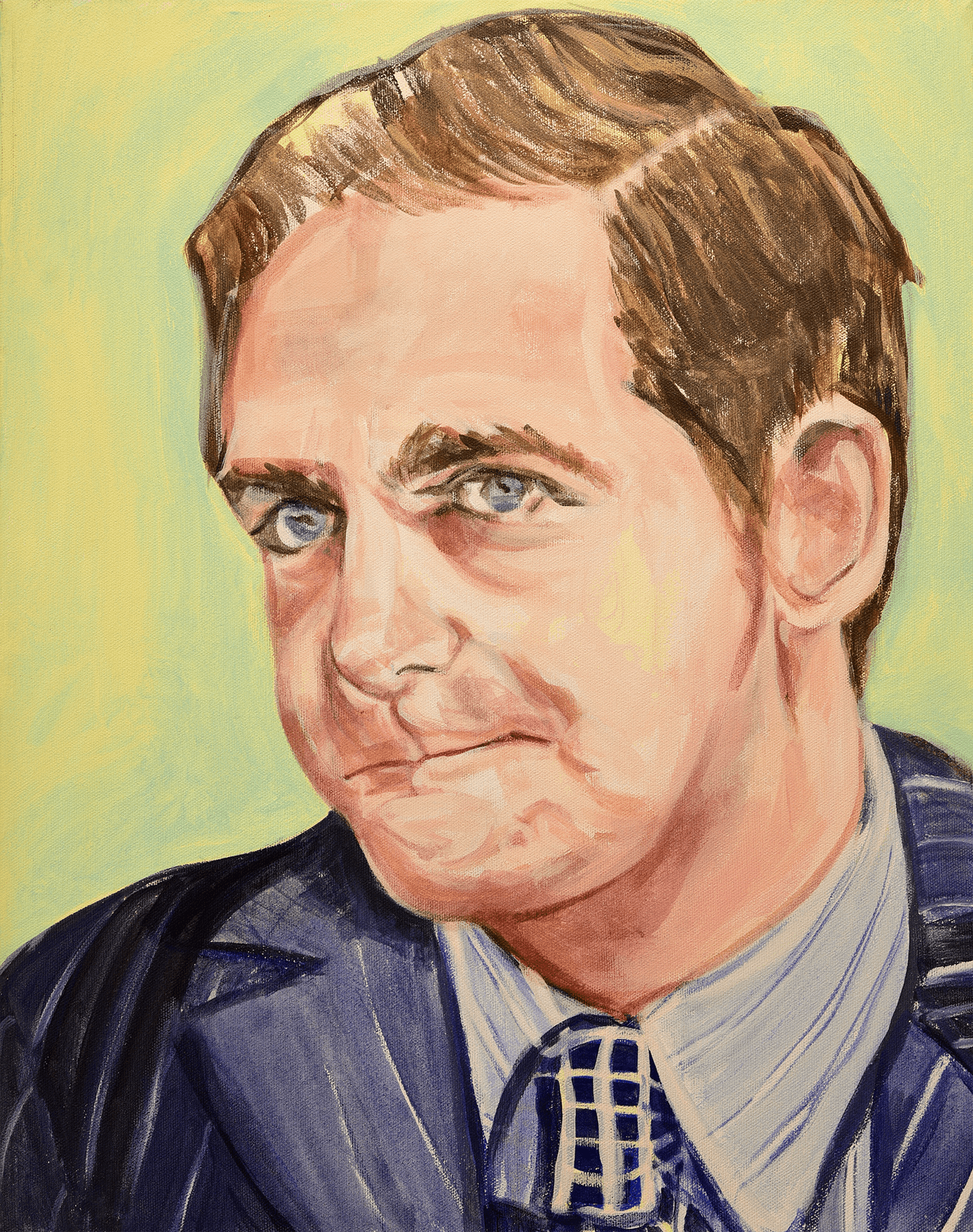
Jeb Stuart MAGRUDER
Magruder was an American businessman who also participated in various political campaigns. In 1969, he was appointed to White House staff, serving in various capacities. In 1971, he left the White House to join the Committee for the Re-election of the President (CRP) first as Director but then as Deputy to John Mitchell who became its Director in 1972. In this capacity, he became involved in the plans for 1972 campaign and ultimately the Watergate burglaries. In 1973, Magruder cooperated with federal prosecutors and was allowed to plead guilty to several diminished charges. In 1974, he was sentenced to prison by Judge John Sirica.
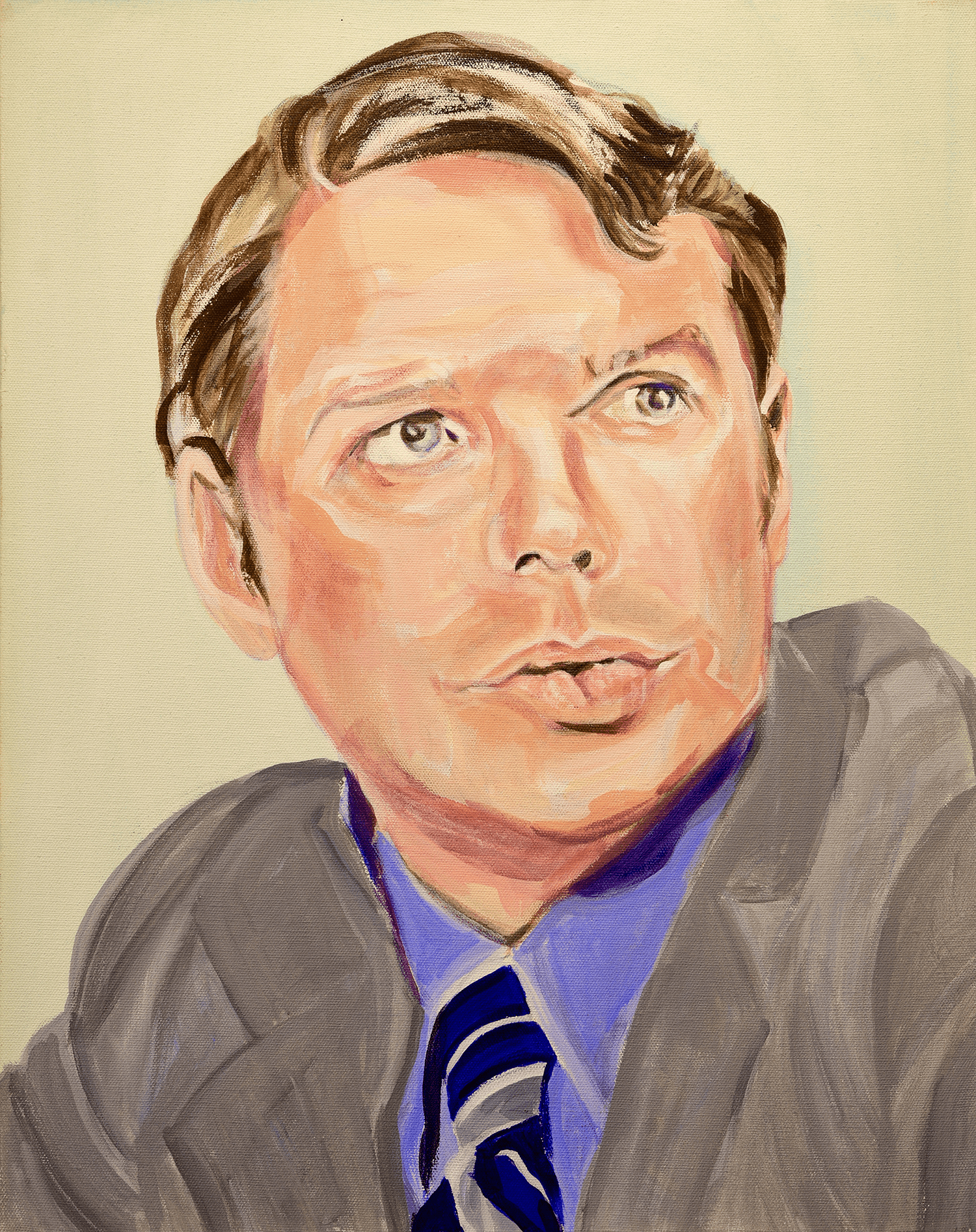
Herbert “Bart” PORTER
Porter became the Scheduling Director for the Committee for the Re-election of the President (CRP) in 1970. In this capacity, he had money transferred to G. Gordon Liddy in 1972, but - at the direction of Jeb Magruder - lied about the purpose of this money transfer when questioned by the FBI in July of that year as well as at the trial of the Watergate Seven. He ultimately recanted when testifying before the Senate and admitted to having lied about the purpose of the spending and stated that he had lied at the direction of Magruder. He pleaded guilty to the charge of lying to the FBI and was sentenced to 15 months imprisonment, but the bulk of this sentence was suspended. He ended up serving 30 days.
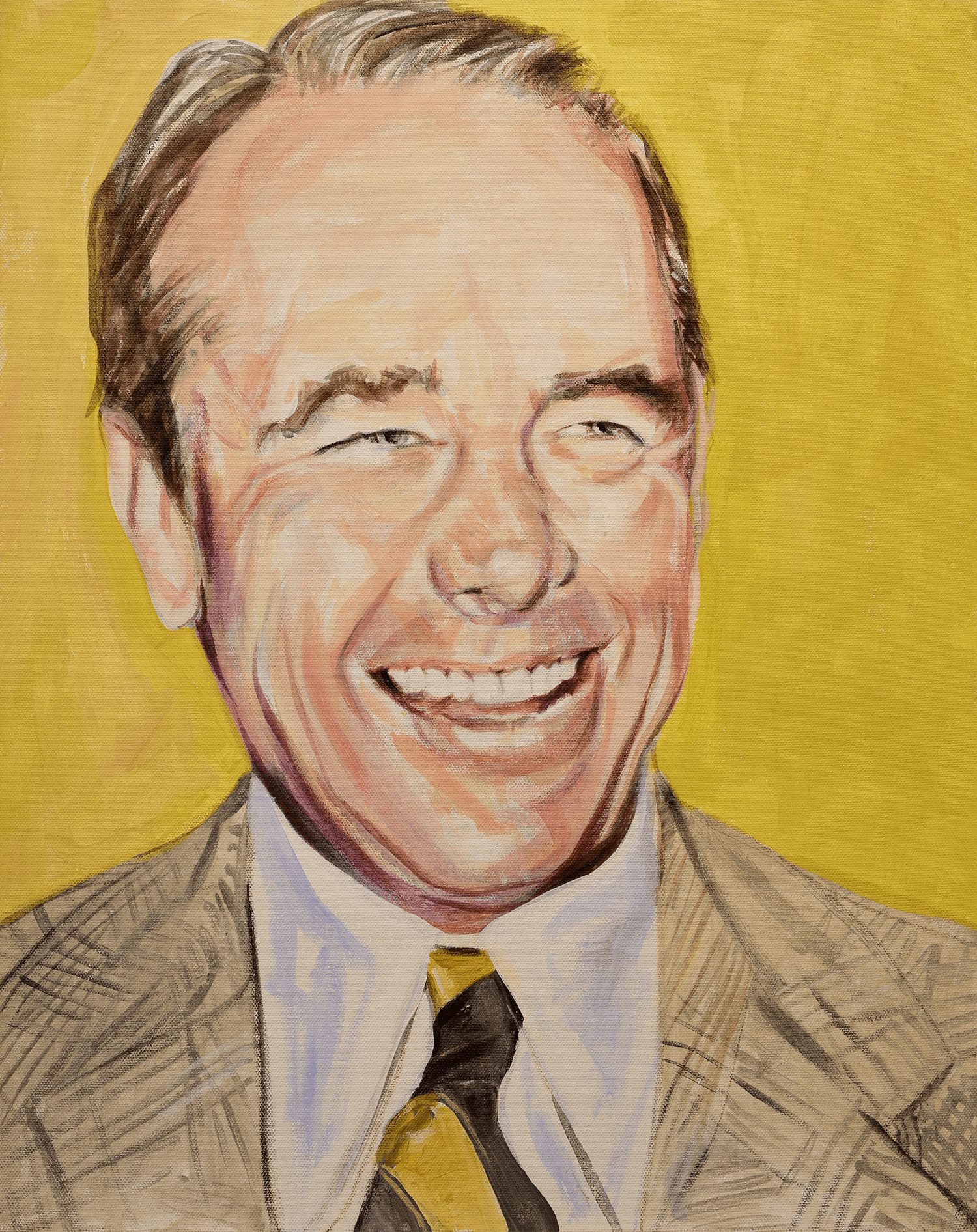
Edwin “Ed” REINECKE
A California businessman and politician who was indicted and convicted for perjury in 1974 when it was shown that he lied about the dates of a conversation he had had with Attorney General John Mitchell about the possibility of Sheraton Hotels underwriting the costs of the 1972 Republican National Convention while ITT, its parent corporation, was under a Federal anti-trust investigation.
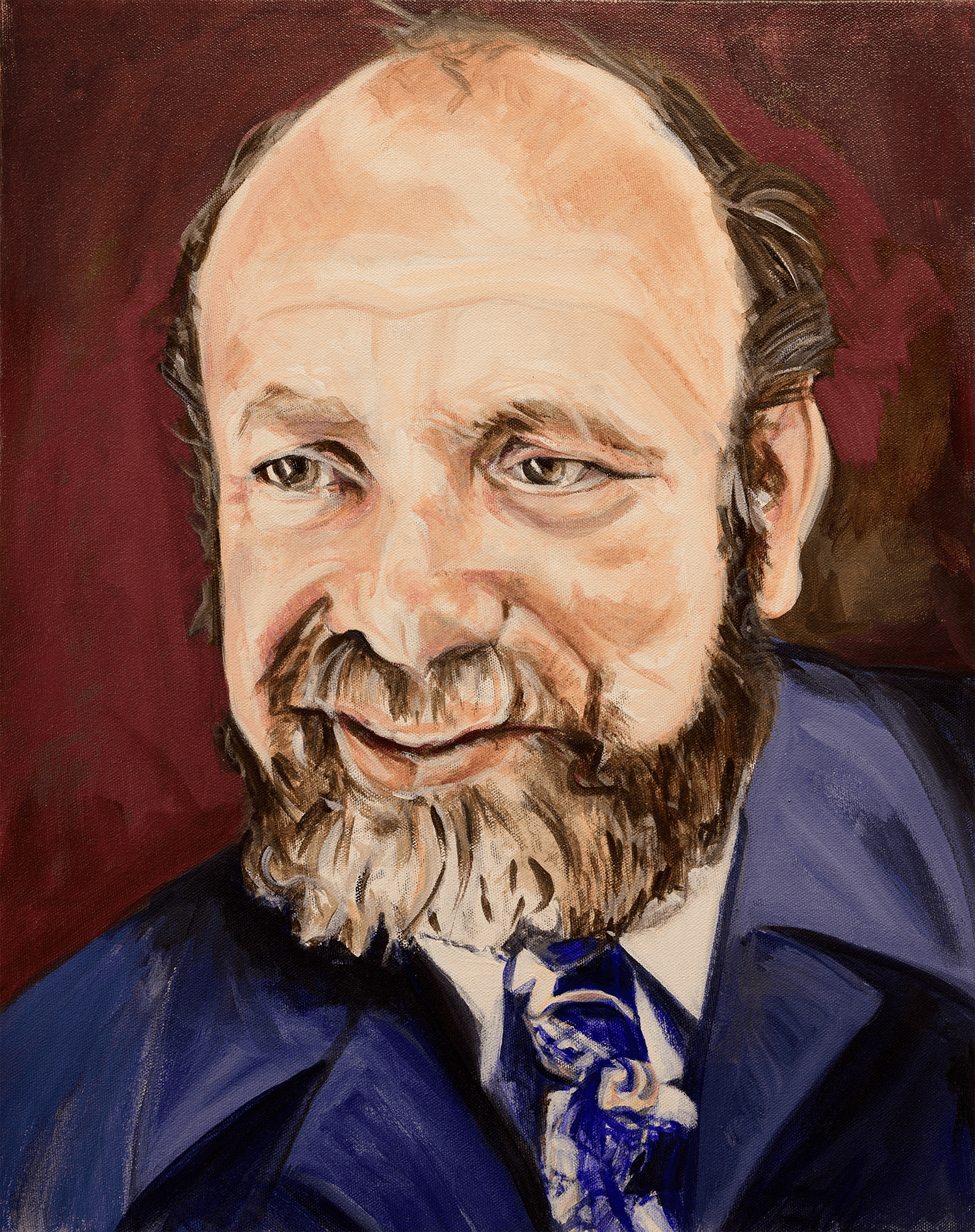
Bernard “Bernie” CORNFELD
Founder of the Swiss company Investors Overseas Services (IOS) in the 1960s, but he lost control of the company in 1970 to Robert Vesco. Although he had severed all connections to the company, he was arrested in 1973 for mismanagement related to Vesco's secret payments to CRP, but then acquitted.
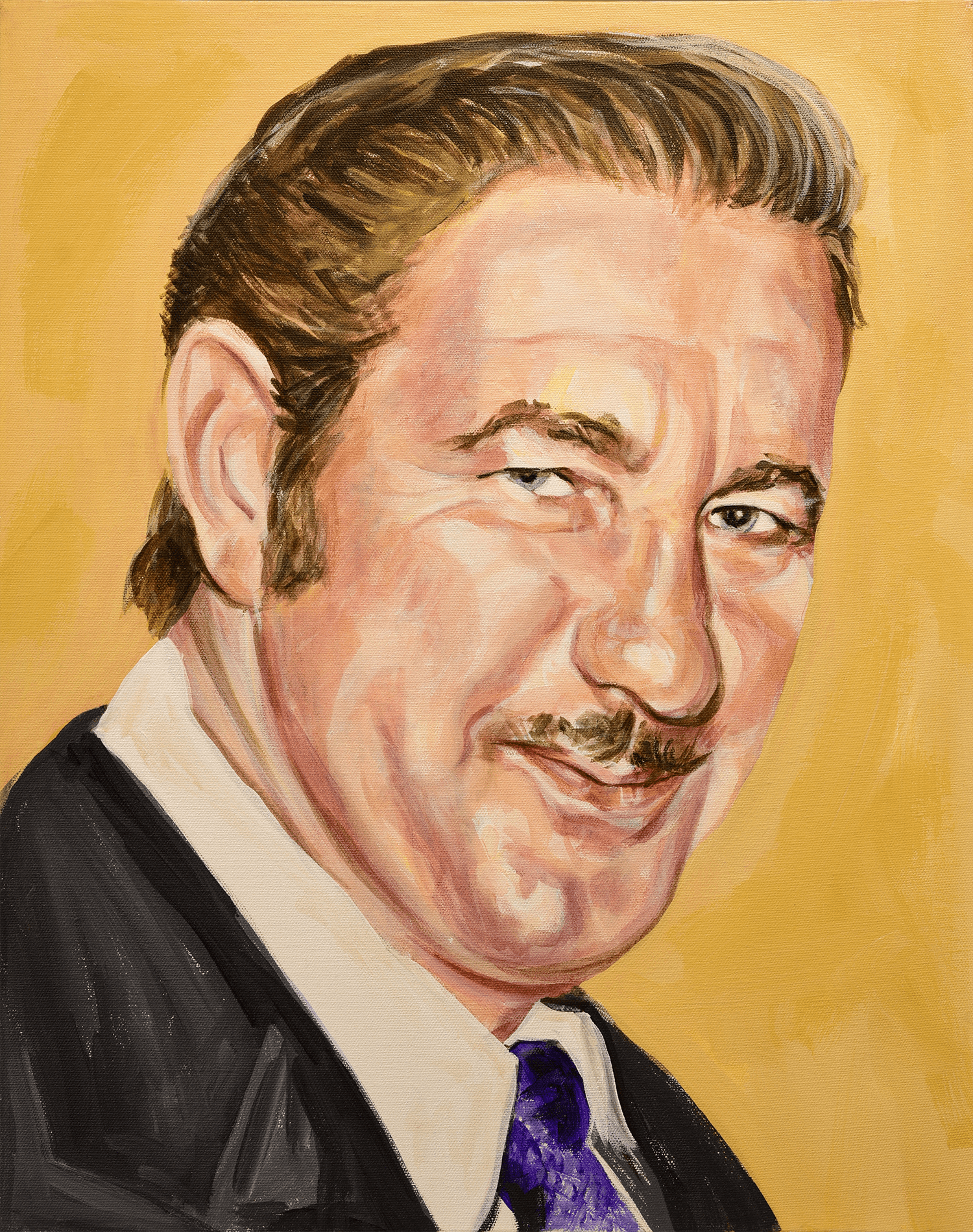
Robert Lee VESCO
An American businessman who became a major international criminal financier and eventually fled to Cuba where he was reported to have died. During the 1970's he was under investigation by the SEC for embezzlement of hundreds of millions of dollars, and he eventually fled to Costa Rico in 1973. During the course of the Watergate investigations, it was revealed that in 1972 he had given a $200,000 donation for Harry Sears to deliver to Maurice Stans, finance chairman of the Committee for the Re-election of the President (CRP) so that then Attorney General John Mitchell would intercede with the SEC Chairman. Eventually, Sears, Stans and Mitchell were indicted for obstruction of justice, but the charges were dismissed.
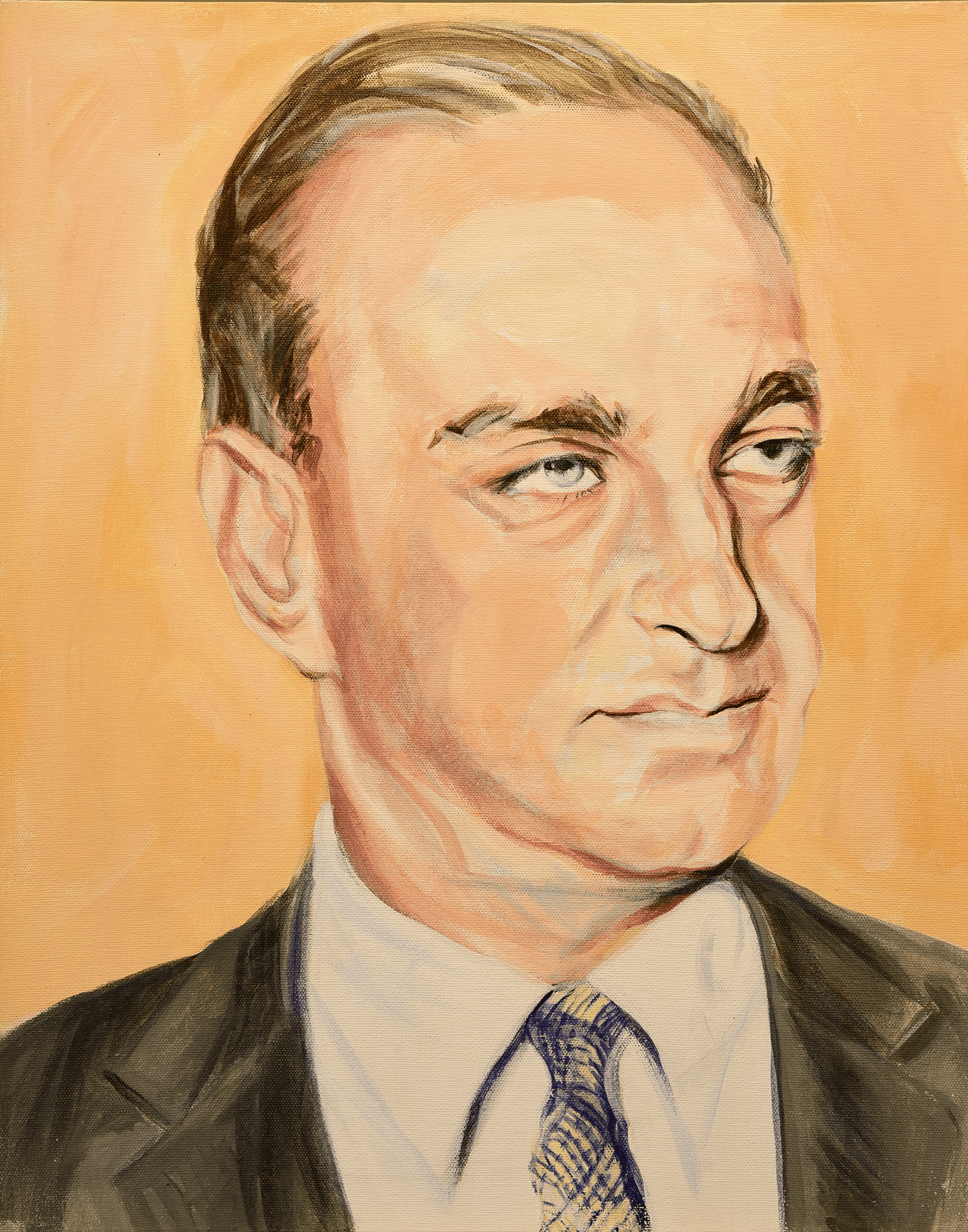
Roy Marcus COHN
A prominent, even infamous, attorney and prosecutor, who served as chief counsel to Senator McCarthy during the Army-McCarthy hearings in 1954, and also served as an informal advisor to President Richard Nixon. He helped discredit the candidacy of Nixon's opponent, Senator George McGovern, by leaking to the press the medical records of McGovern's running mate, Thomas Eagleton, showing treatment for depression.
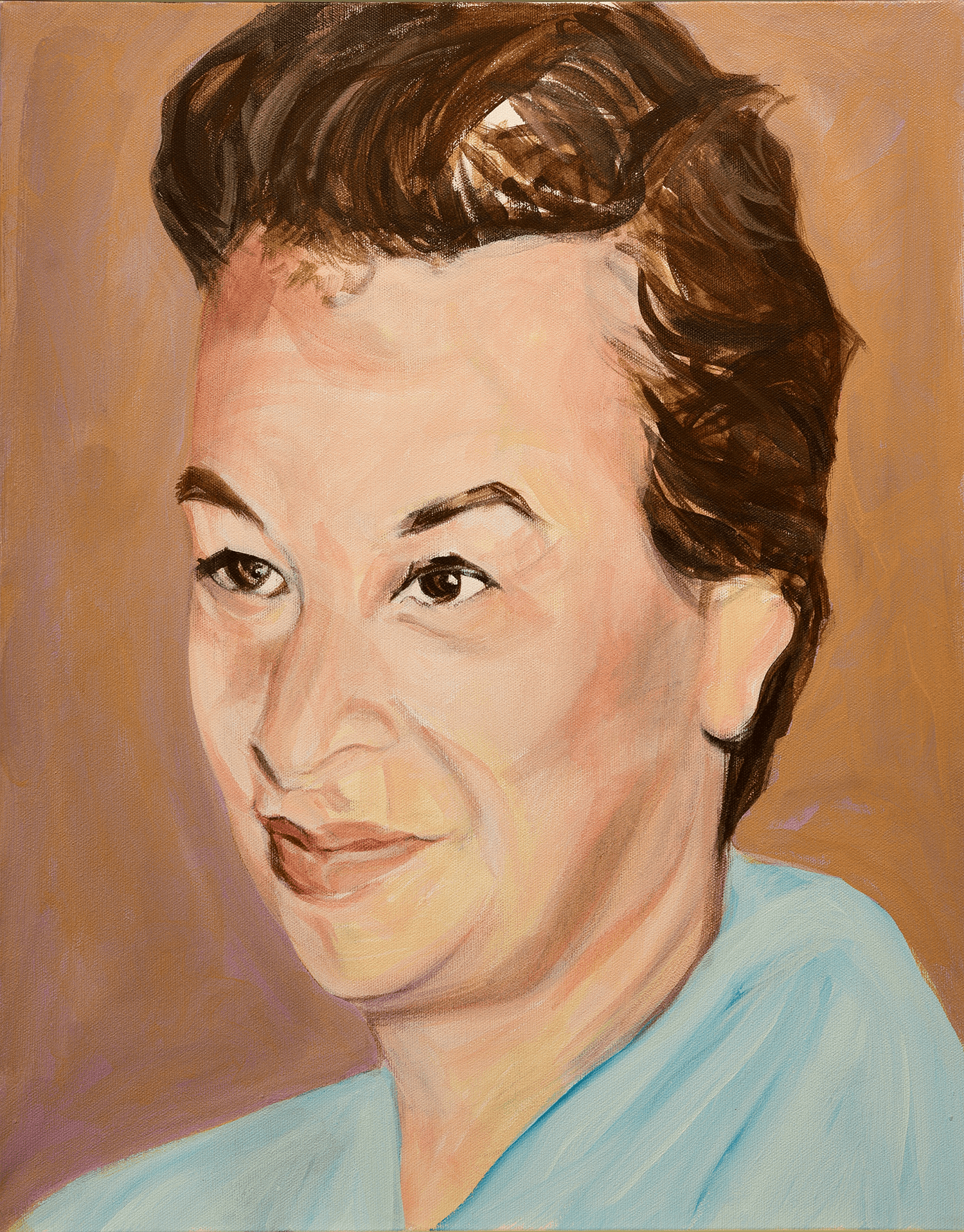
Dorothy Wetzel Day Goutiere HUNT
Dorothy Hunt was the wife of Watergate conspirator E.Howard Hunt and who, along with many other people, was killed in the crash landing of an airplane in which she was a passenger while it was approaching Chicago Midway International Airport. It was found that she had been carrying $10,000 worth of $100 bills, which raised questions as to whether this was somehow hush money payments in connection with the Watergate scandal and that the plane's landing was intentionally sabotaged. Her husband was one of the "White House Plumbers" who was convicted and served prison time for burglary, conspiracy and wiretapping.
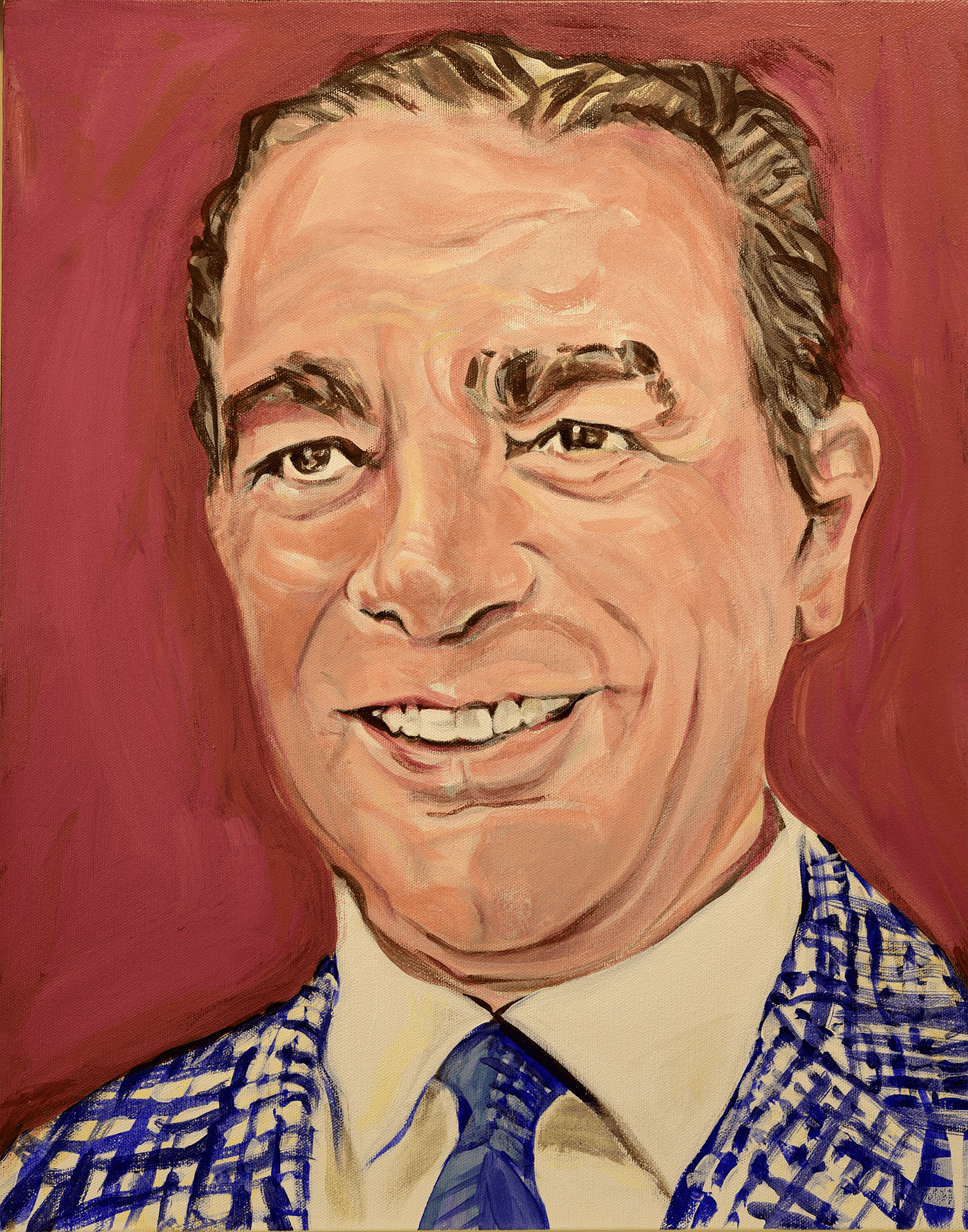
Charles Gregory “Bebe” REBOZO
Rebozo was an American banker, close friend and confidant of Richard Nixon. Indeed, at Mr. Rebozo's request, Nixon fired the Director of the National Park Service George Hartzog when Rebozo had received a ticket for tying his boat illegally to an NPS administrative dock in Biscayne National Park. It was while swimming in Mr. Rebozo's pool in Florida in June 1972 that Mr. Nixon was informed of the Watergate break-in. There was press speculation that Archiaold Cox's firing was triggered by Cox initiating an investigation of money laundering practices by Rebozo, possibly for Nixon. Rebozo was with Nixon the night he resolved to resign.
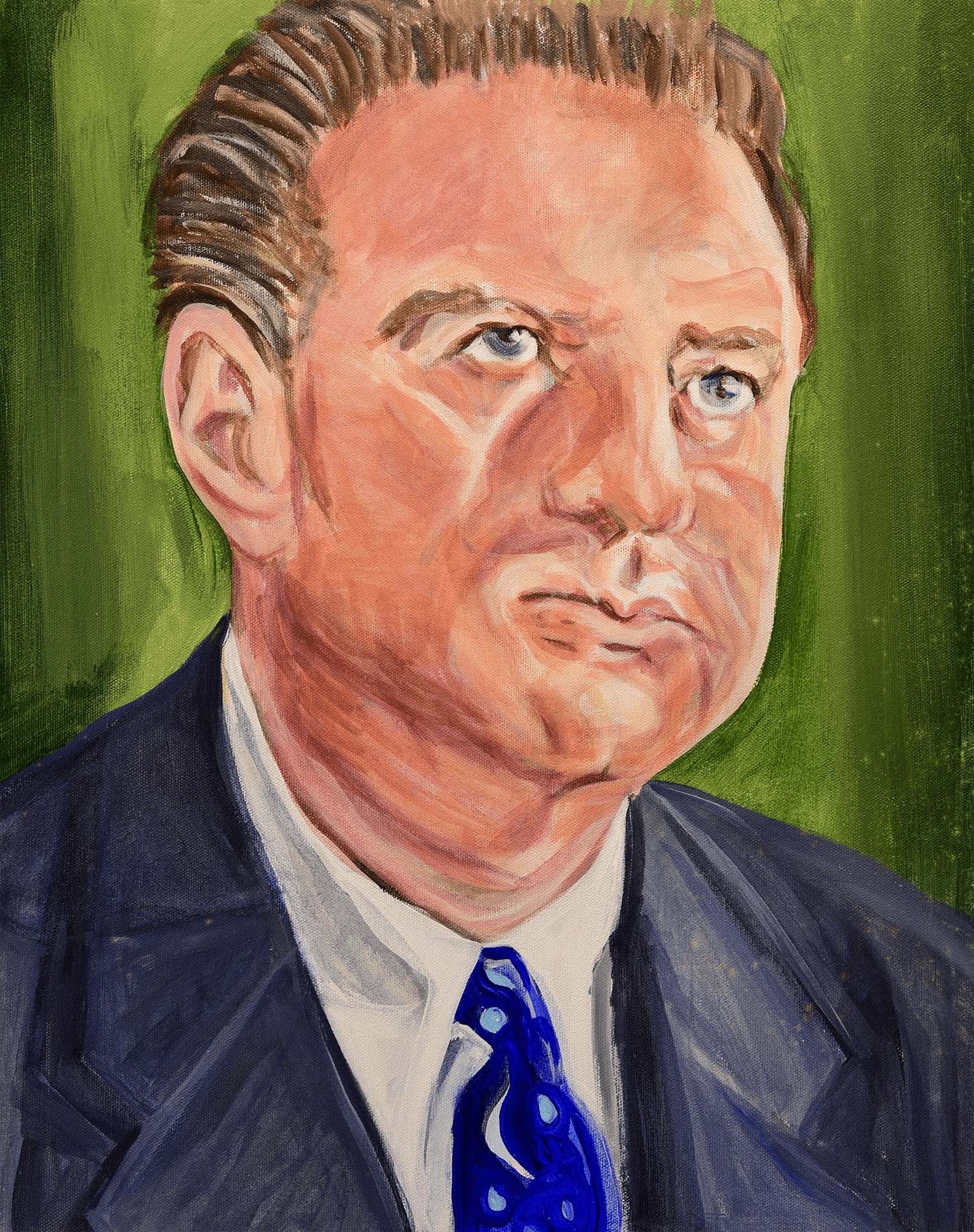
Murray CHOTINER
An attorney and political strategist was a close personal friend of Richard Nixon as well as advisor during Nixon's entire political career. While not in any way connected to the Watergate break-in (which he denounced as "stupid, useless and inane"), he did counsel President Nixon to fire Special Prosecutor Archibald Cox in October 1973.
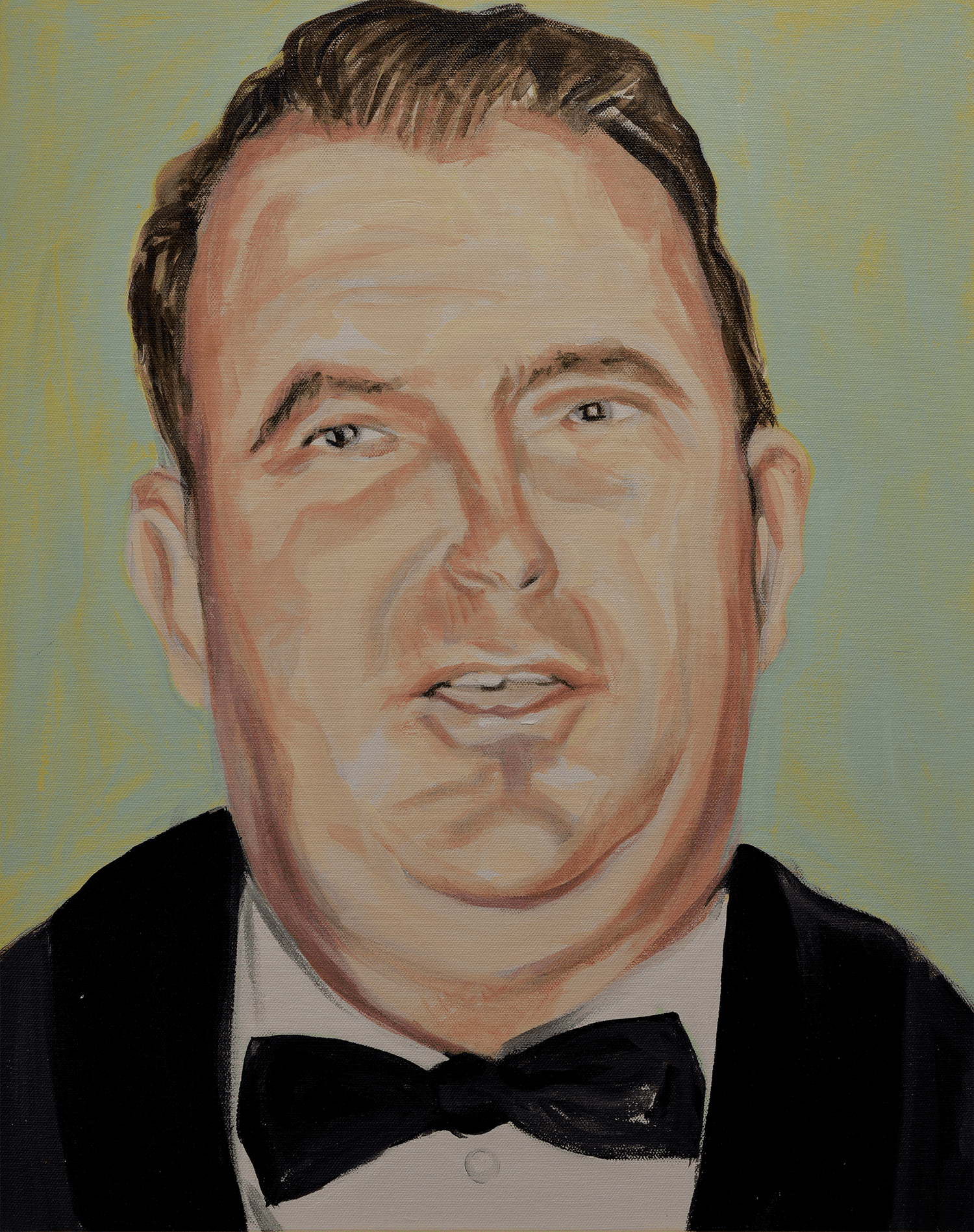
Francis Donald NIXON
Younger brother of President Nixon. In January 1957 Howard Hughes lent Donald $205,000 to bail out his "Nixon's" drive-in restaurant in Whittier, California. The restaurant went bankrupt less than a year later. Questions about whether this was a political favor dogged Richard Nixon during his campaign for president and later when he sought the governorship of California. One of the many speculated motives for the 1972 Watergate burglary was a desire to find proof that the then-Democratic National Committee chairman Larry O'Brien was also secretly working for Hughes. John H. Meier, one of Hughes' former business advisors, in collaboration with former vice president Hubert Humphrey and others, was using Donald Nixon to feed misinformation to Nixon that the Democrats would win the election, since they had a lot of information on Richard Nixon's illicit dealings with Howard Hughes which had never been released, and that Larry O'Brien had the information.
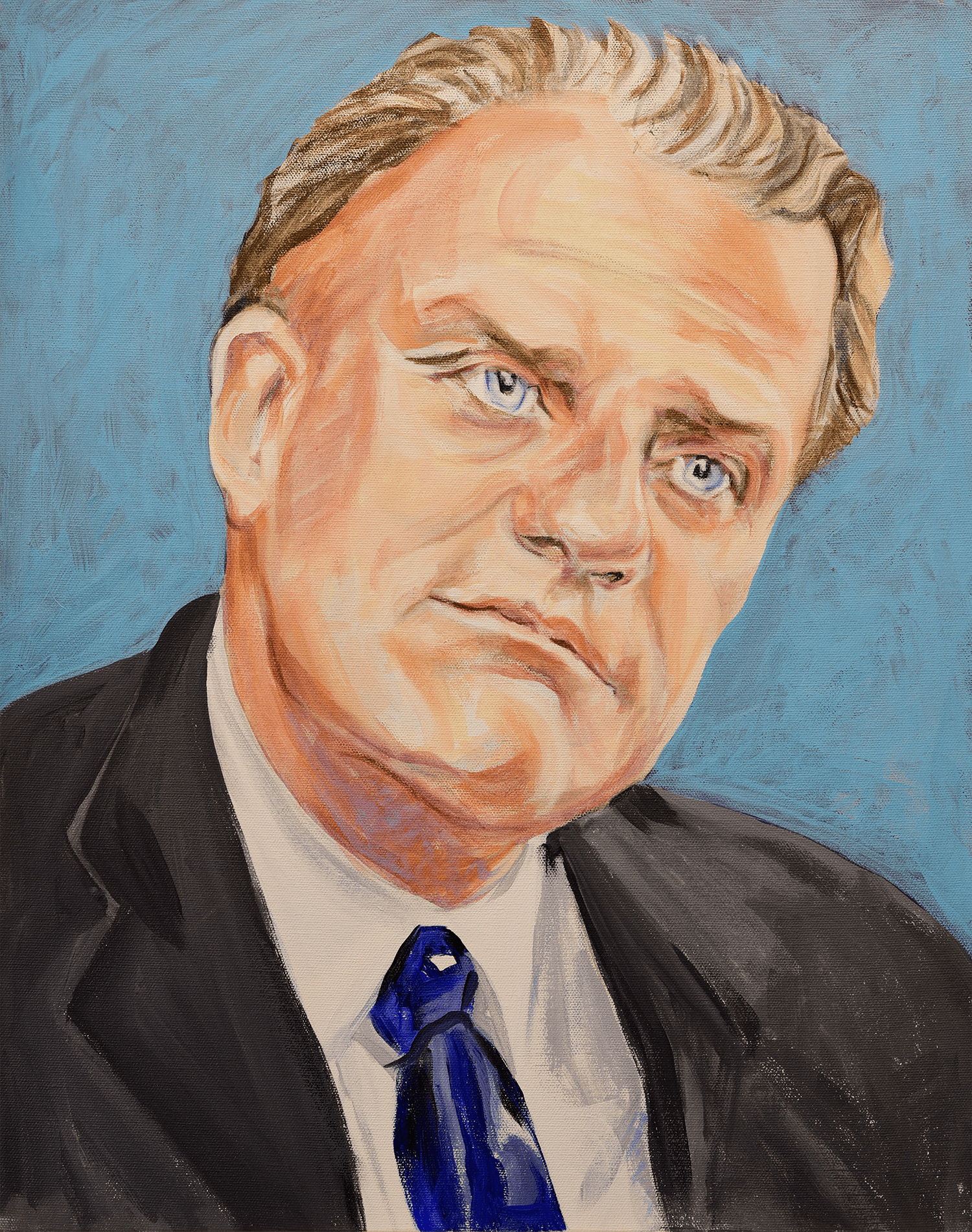
William Franklin “Billy” GRAHAM
A charismatic ordained Baptist minister and prominent crusading Evangelist who reported that he had received his "call" while on the 18th green of a golf course, he became close with many presidents including Richard Nixon. Billy Graham supported NIxon's first run for the presidency, actively campaigning against the Catholic John F Kennedy. They continued their friendship, and Nixon was allowed in 1970 to speak during one of Graham's evangelical crusades, becoming the first U.S. President to do so. Although their friendship was strained in the Watergate era, they reconciled after Nixon's resignation and Graham officiated at his state funeral.
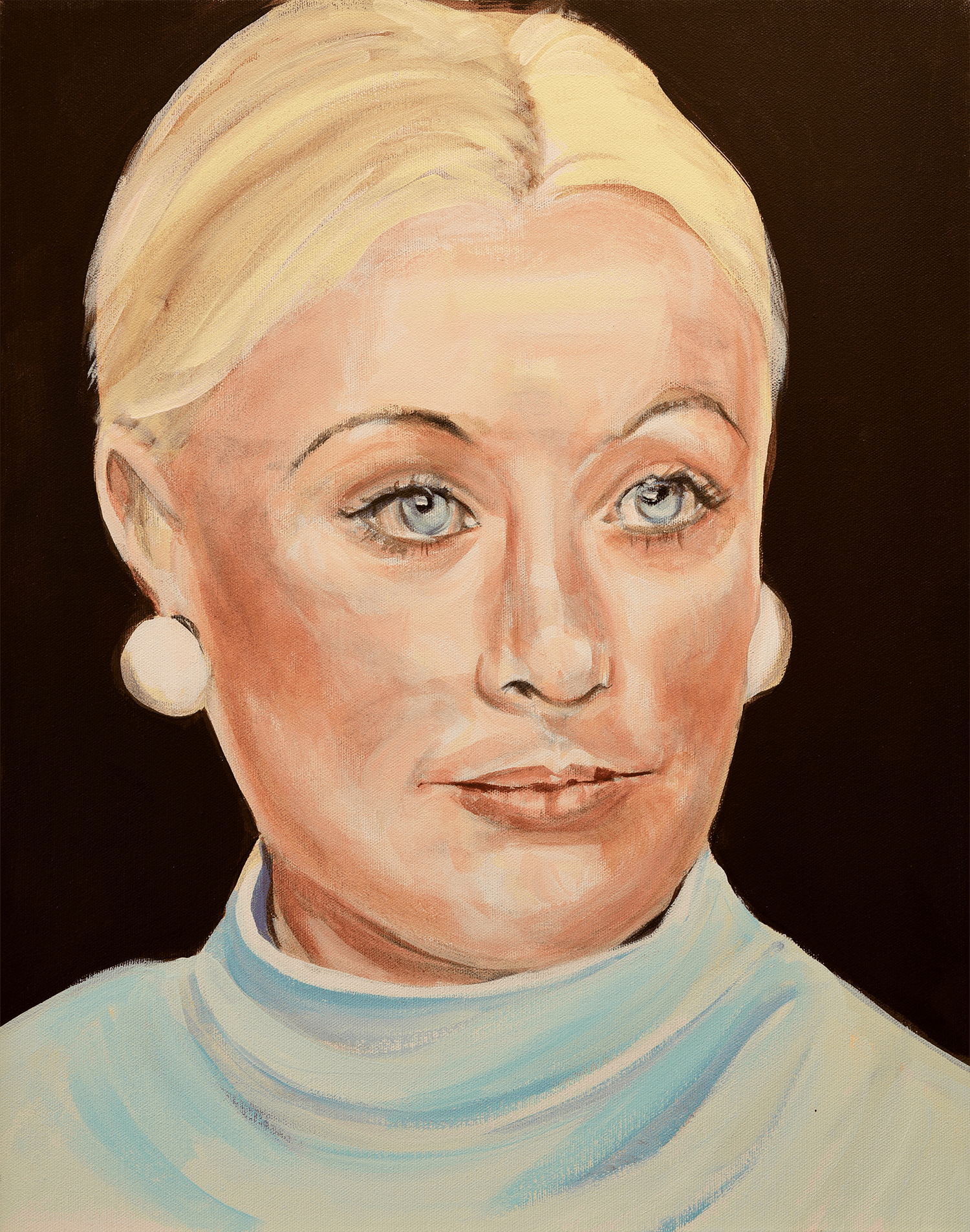
Maureen Kane “Mo” DEAN
Writer and wife of John Dean who testified during the Senate Watergate hearings about her knowledge of the situation. Her testimony addressed her awareness of the scandal's unfolding, including her husband's warning about a "rough situation" prior to their marriage. Her testimony helped make her husband a more sympathetic figure publicly. In 1975, she published Mo: A Woman's View of Watergate, which provided a notable firsthand account of the scandal from a spouse's perspective.
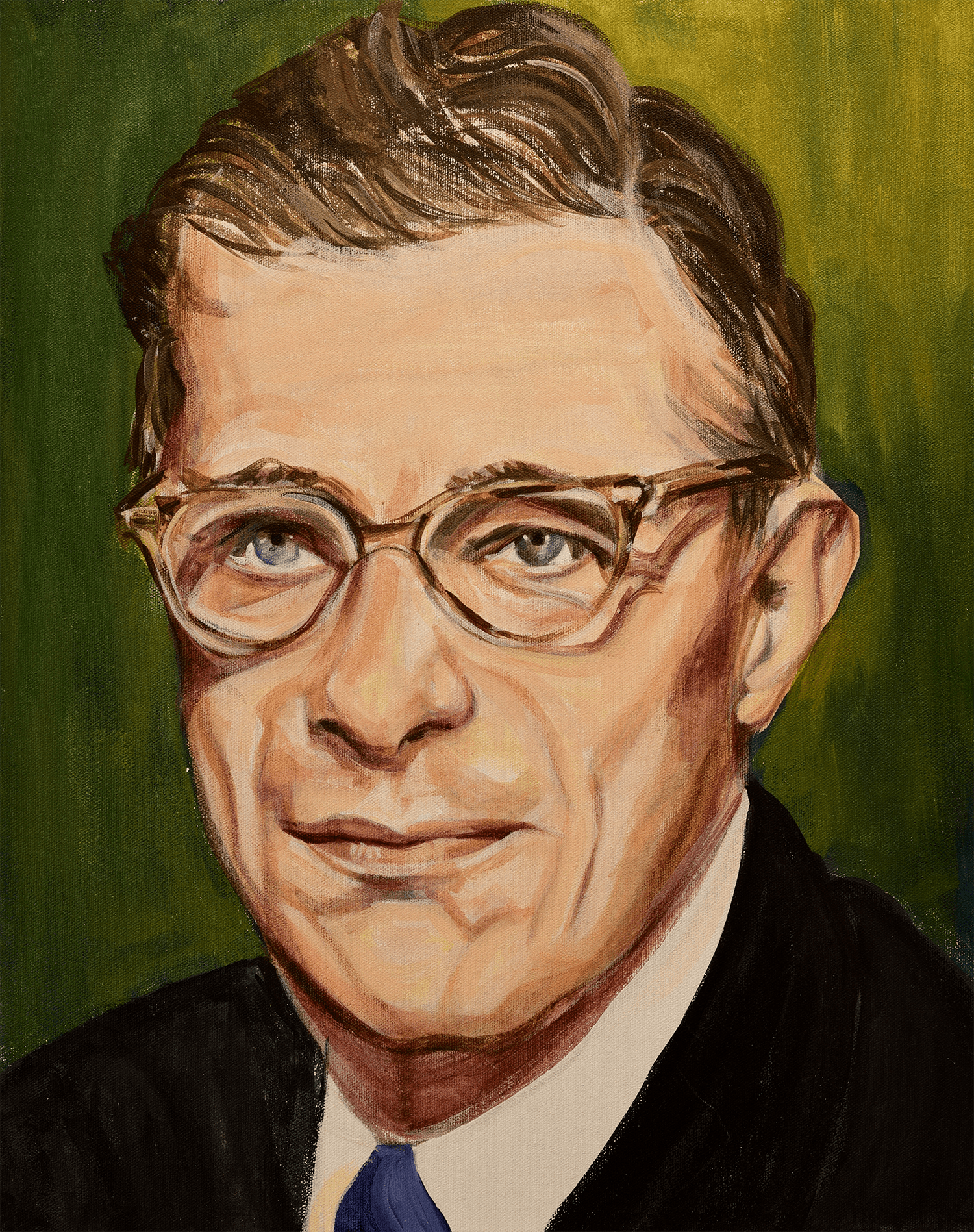
Daniel Louis SCHORR
Prominent journalist. During the Watergate hearings, it was revealed that Nixon's aides Charles Colson and George Bell had constructed and sent to White House Counsel John Dean a Nixon's "Enemies List". One of the people on that list was Shorr. Schorr was able to get the list of 20 people and began to read it live on-air and unknowingly read his own name as No. 17. Schorr, after weeks of FBI questioning of his family and employers, surmised that Nixon was using the FBI to gather information without just cause, which is illegal. When Nixon supposedly realized Schorr knew the truth, he publicly announced that he was considering Schorr for a White House post — a blatant fabrication, but one that cleared the administration of any wrongdoing.
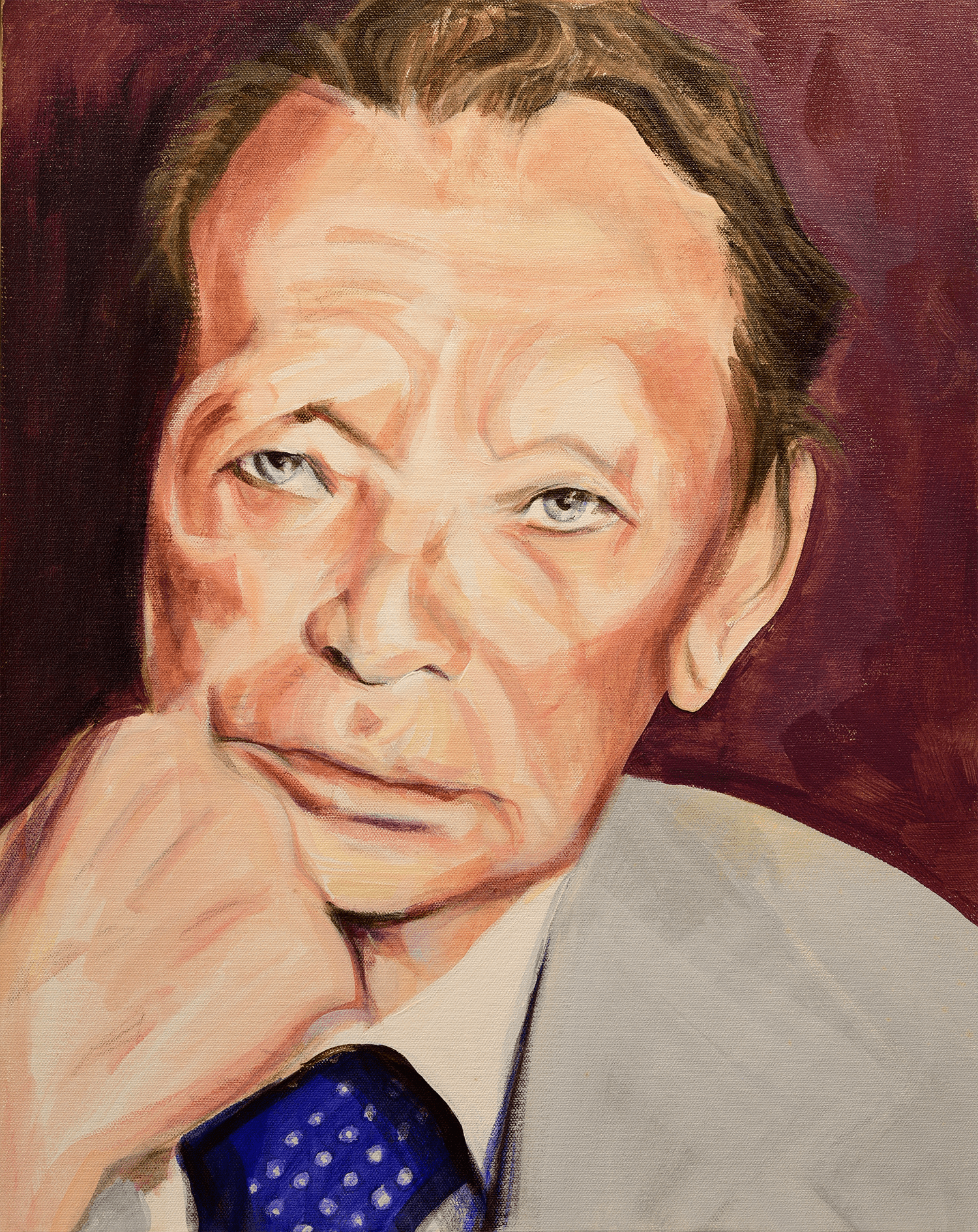
Dr. Arnold A. HUTSCHNECKER
Austrian-American medical doctor with a specialization in psychiatry. He emigrated to the United States in 1938 and settled in New York City, where he obtained a licence to practice internal medicine and psychiatry. Richard Nixon was among his patients and he later advised Nixon on child care policy, presenting a plan promoting daycare for preschool children in lower economic neighborhoods. He also developed a reputation and wrote articles on the psychology of leadership, advised Gerald Ford, and later was in the news when he wrote that politicians should be required to take a psychiatric examination before running for office.
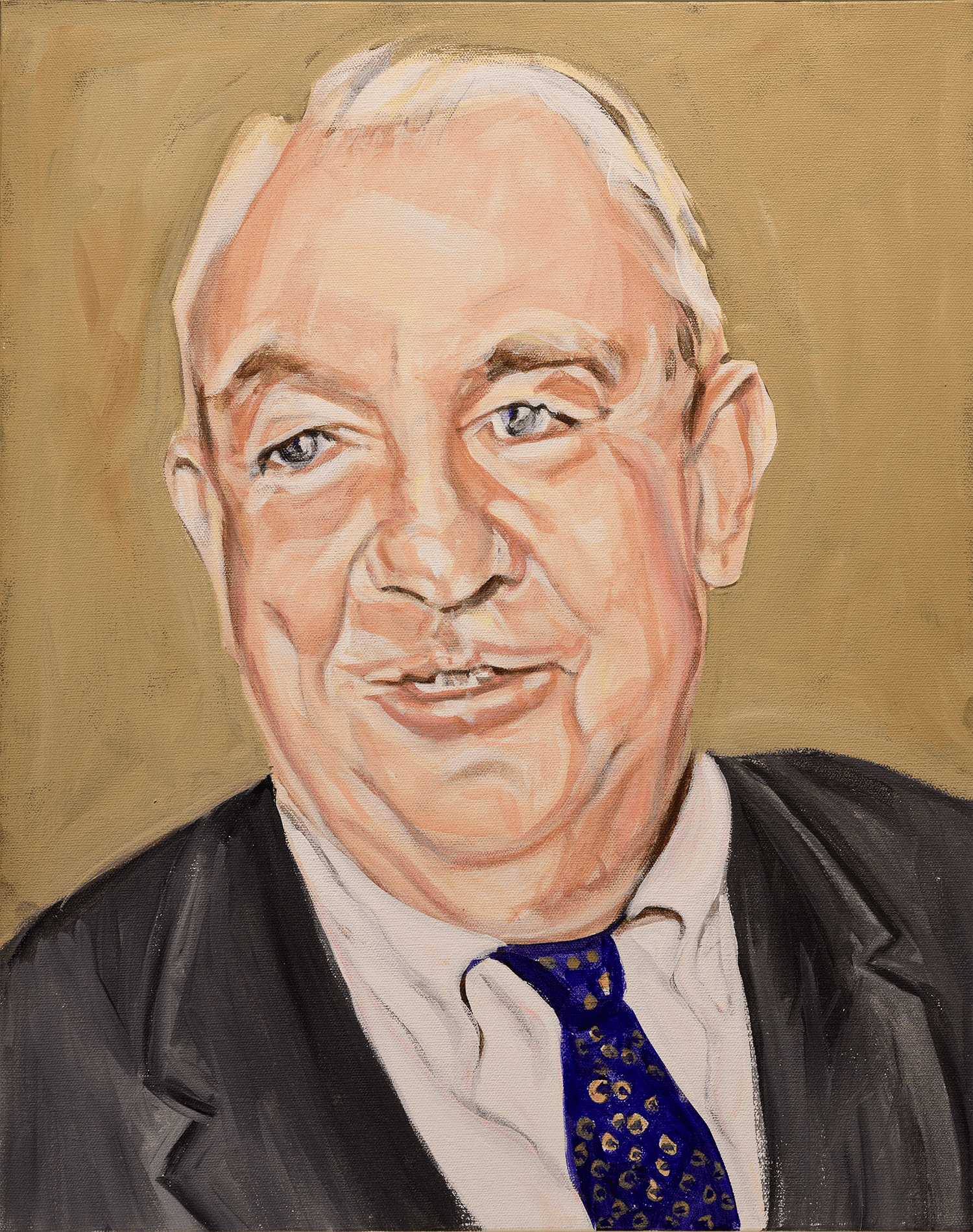
Samuel James “Sam” ERVIN Jr.
A self-described "country lawyer" and a complex man with sometimes seemingly contradictory opinions about civil rights, Ervin was Senator from North Carolina from 1954 to 1974. In this capacity, he served as Chair of the Senate Watergate Committee from 1972 to 1974, and became a folk-hero for his questioning of various White House officials as well as strict interpretation of constitutional rights. He declared the Watergate scandal to be the worst tragedy in the country's history, even surpassing the American Civil War.
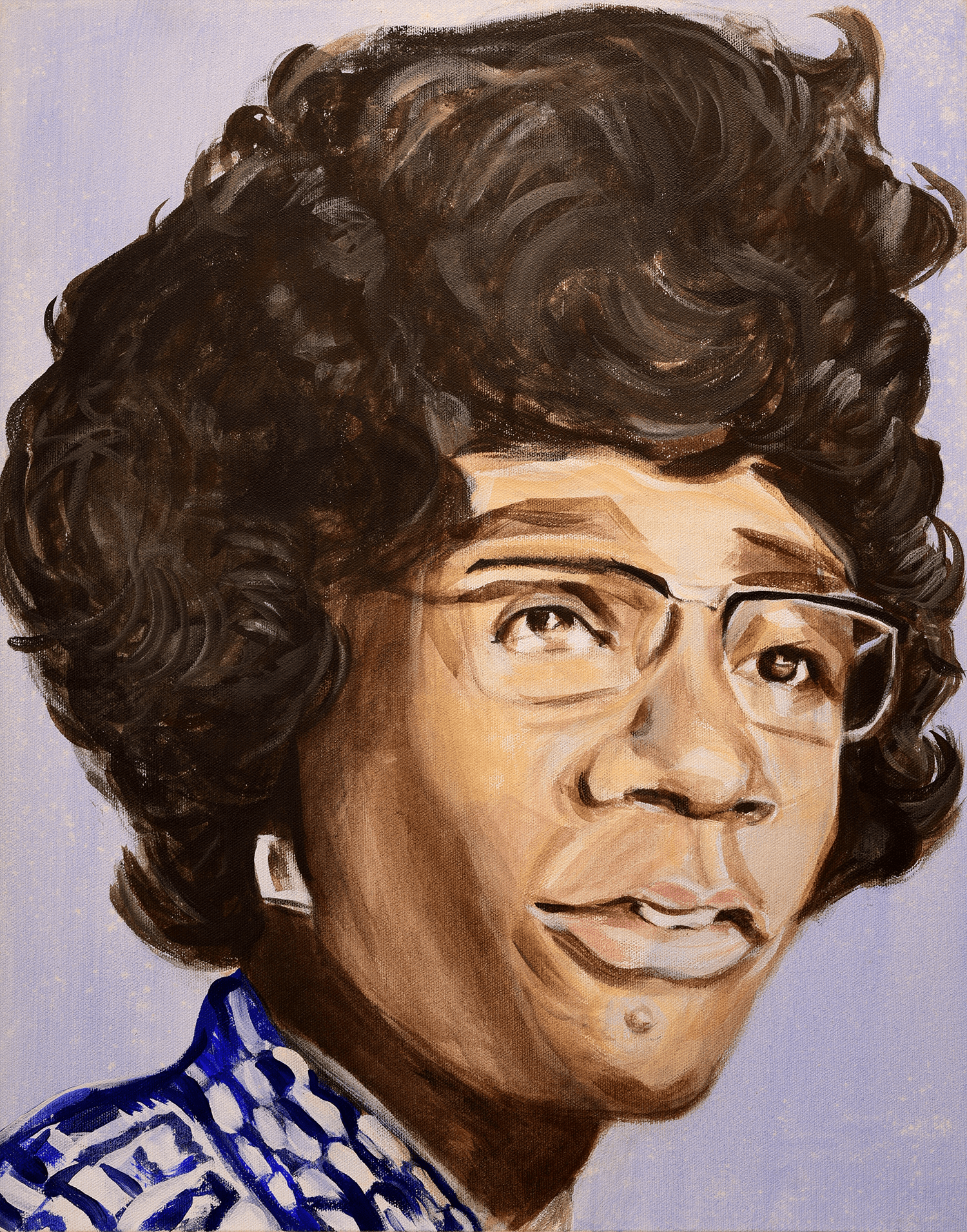
Shirley Anita St. Hill CHISHOLM
The first Black woman to be elected to the U.S. Congress, she became the first black candidate for a major-party nomination for President of the United States, as well as the woman to run for the presidential nomination of the Democratic Party. Ultimately, George McGovern was the Democratic Presidential nominee.
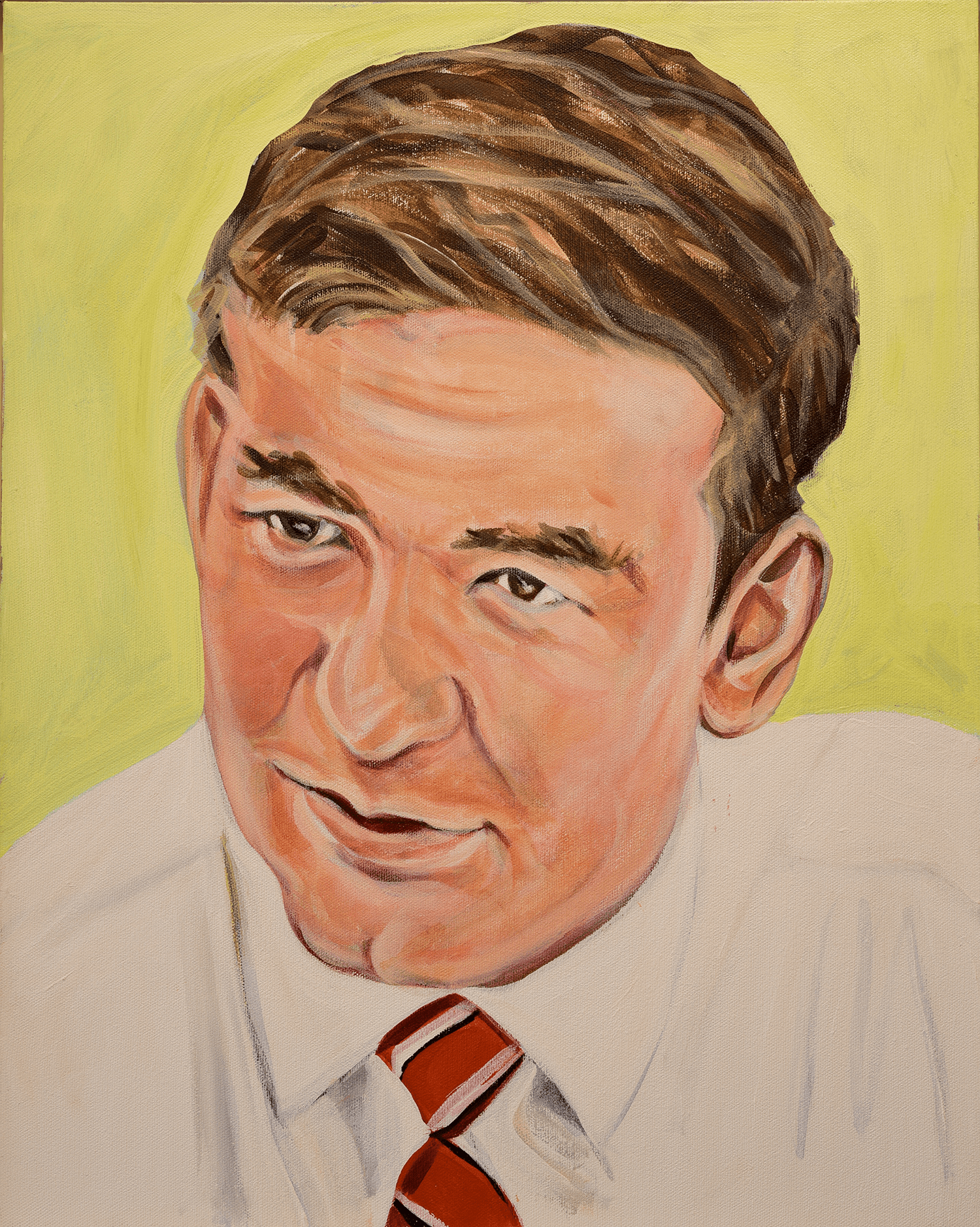
Patrick Joseph “Pat” BUCHANAN
A long-time conservative Republican activist and supporter, Buchanan was a speechwriter to both Richard Nixon and Spiro Agnew and coined the phrase "Silent Majority". He served on White House staff up to the end of the Nixon presidency and beginning of Ford's term, but he was never implicated in the Watergate scandal.
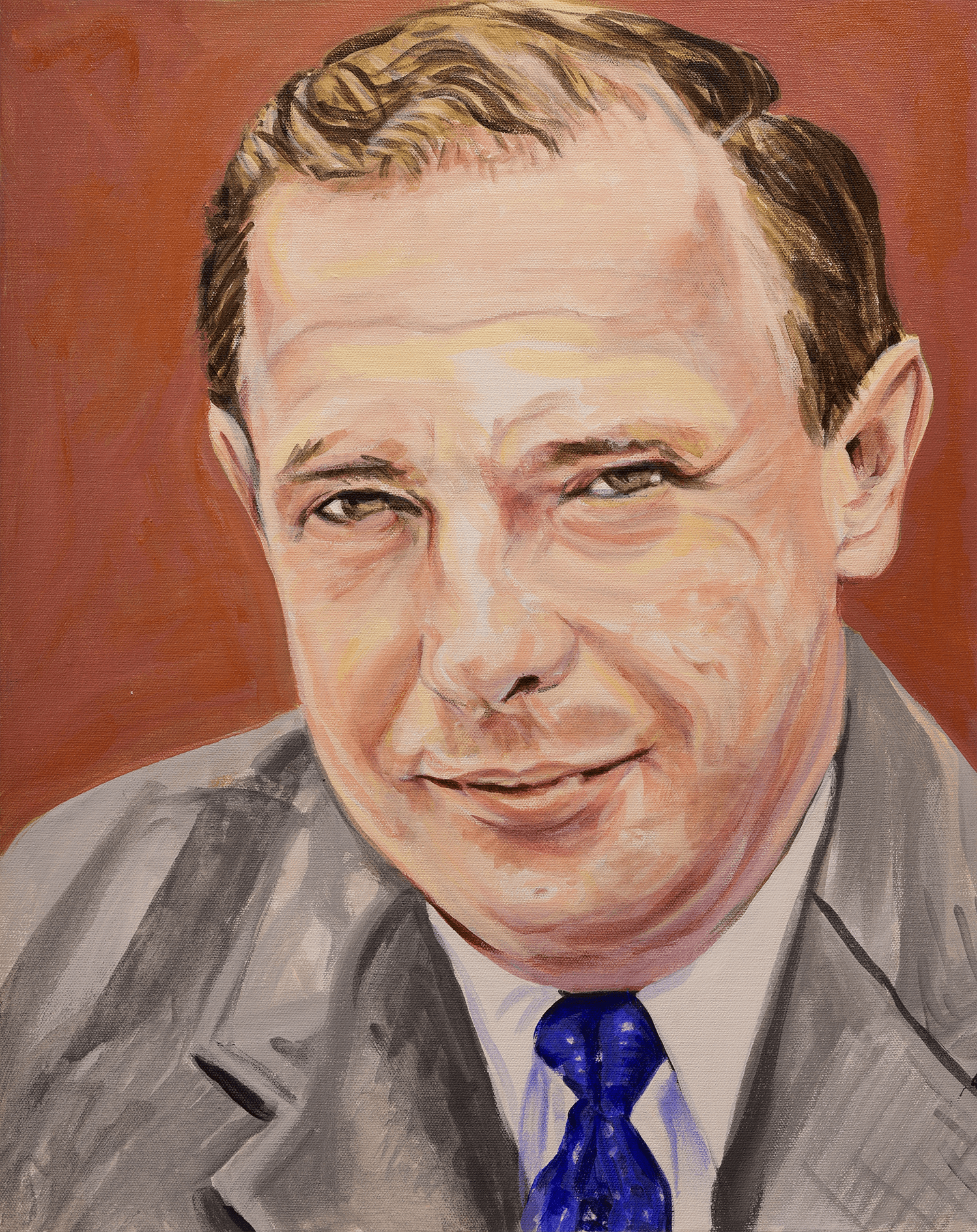
Alexander Porter BUTTERFIELD
A retired Air Force officer, he served as chief aide to H.R.Haldeman in the Nixon White House. In this capacity, Butterfield was responsible for installing the taping system in the Oval Office. He left the White House in 1973 to become FAA Administrator but was questioned by the Senate Watergate Committee and then publicly revealed the existence of the White House taping system. Although he had a minor role in safeguarding some funds for CRP, Butterfield was not involved in the Watergate scandal nor implicated in any illegal activity.
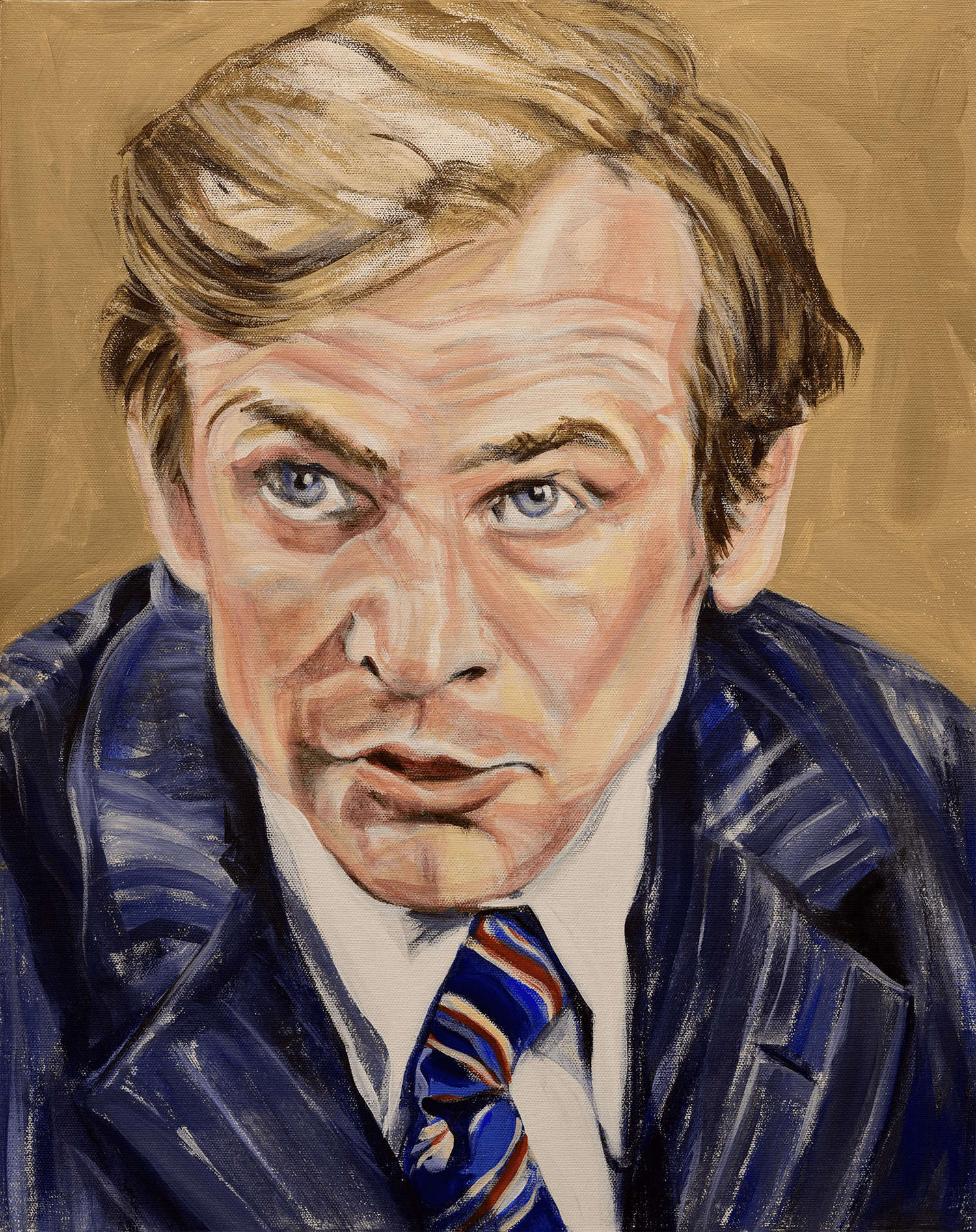
Howard Henry BAKER, Jr
An American Republican politician and a U.S. Senator from Tennessee who served on the Senate committee that investigated the Watergate scandal. Baker posed the much-repeated question: "What did the President know and when did he know it?"
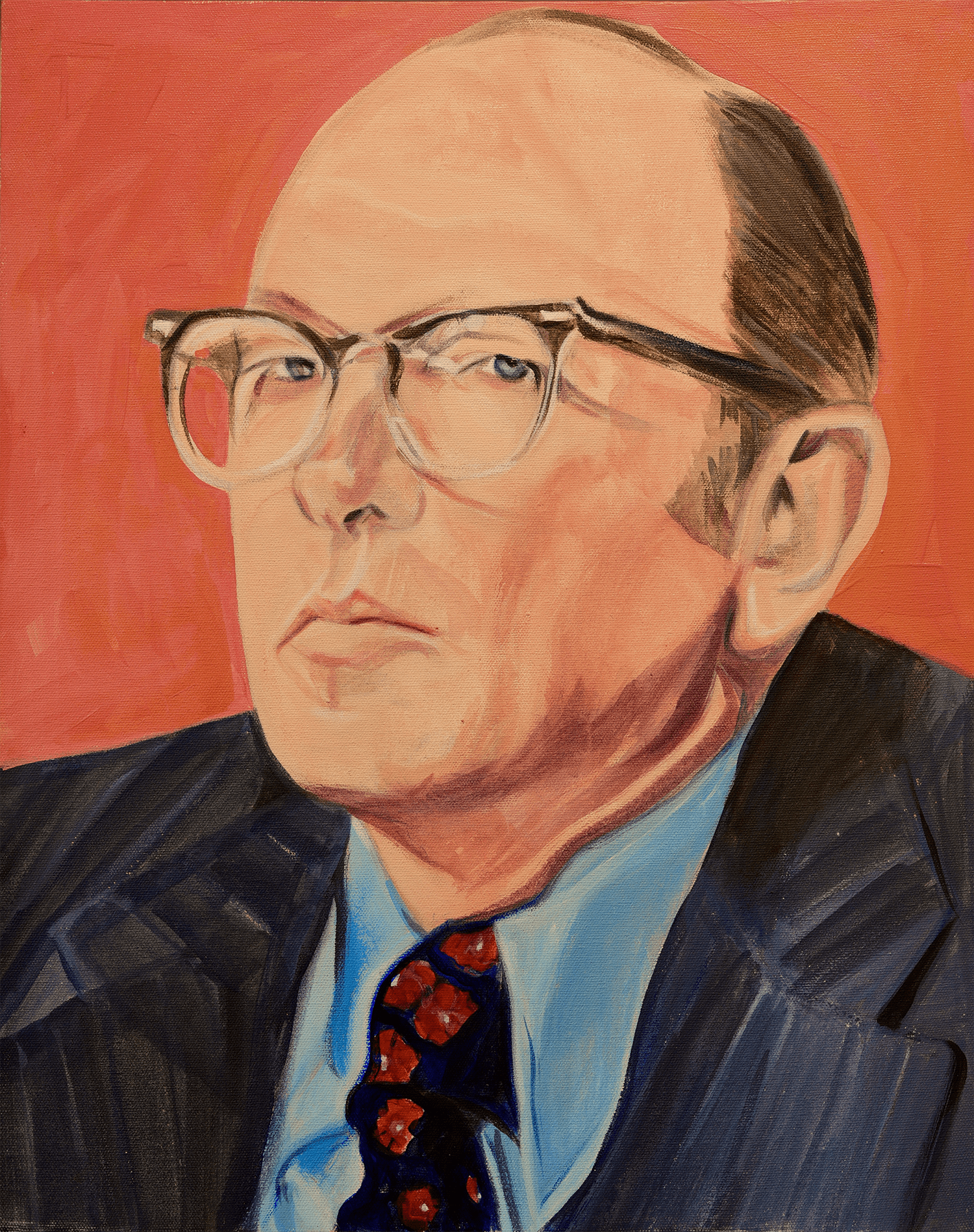
Samuel DASH
Dash was a law professor at Georgetown University but took a leave of absence when he was invited by U.S. Senator Sam Ervin, head of the Senate Watergate Committee, to become chief counsel for the committee's investigation of the President's involvement in the break-in at the Democratic National Headquarters and the subsequent cover-up.
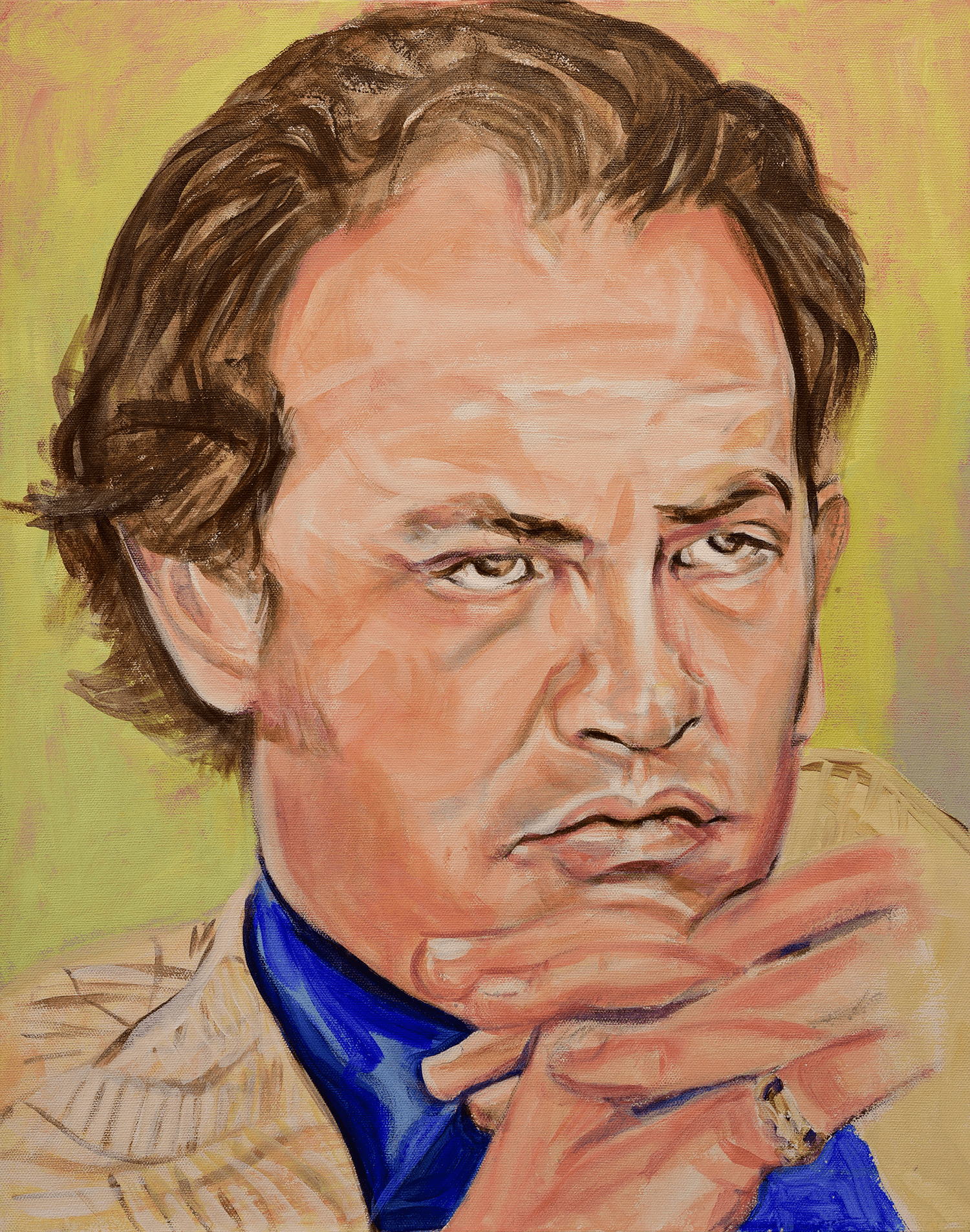
Fred Dalton THOMPSON
A U.S. Senator from Tennessee, Thompson served as Republican minority counsel in 1973 on the Senate Watergate Committee. Thompson was accused of being a "mole" for the White House during the investigations by informing the White House when the Committee had become aware of the existence of tapes, giving the White House a chance to destroy the tapes before their existence was publicly known.
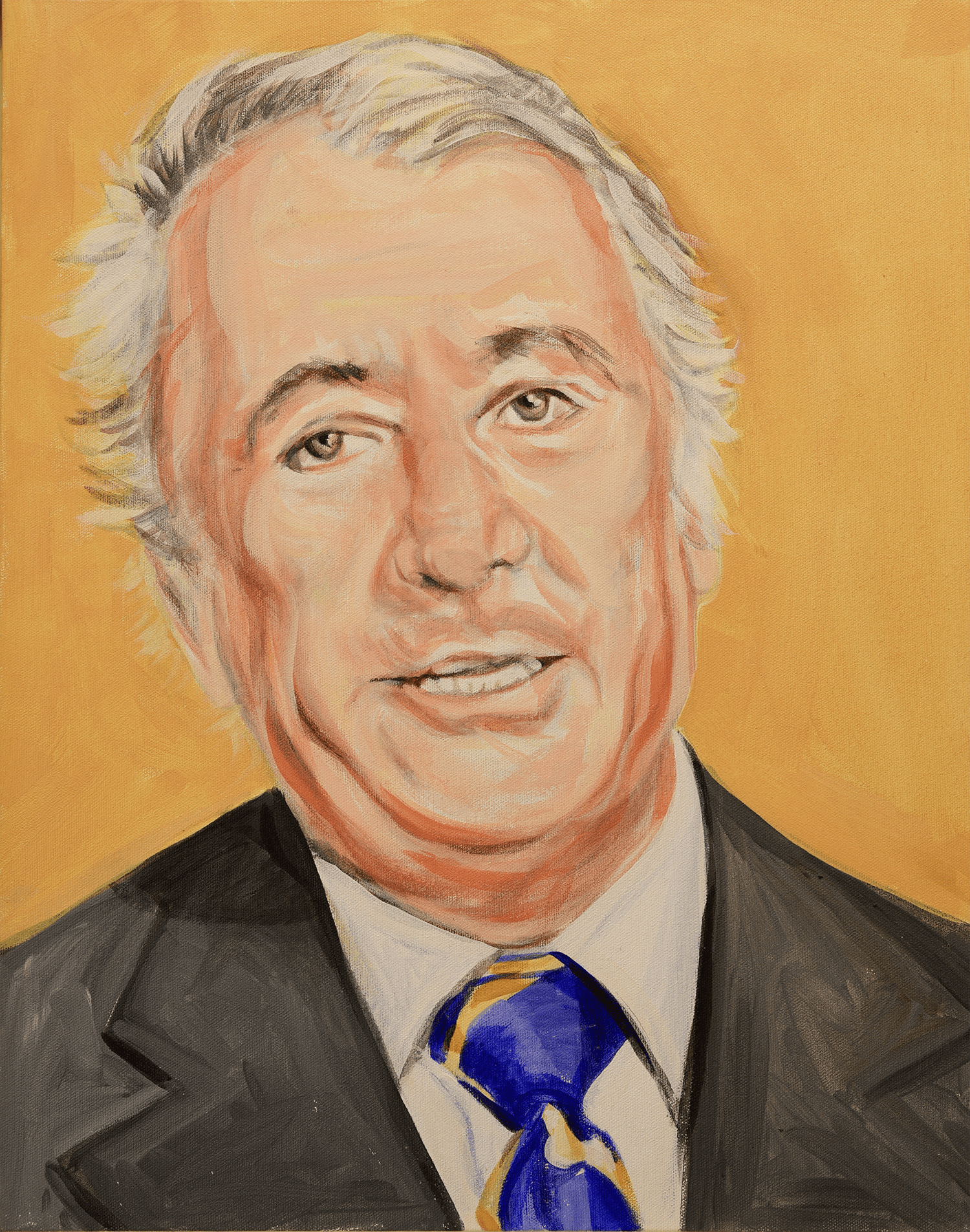
Peter Wallace RODINO
Peter Rodino was a Democratic Congressman from New Jersey who was Chairman of the Judiciary Committee of the U.S. House of Representatives in 1973, and as such, he oversaw the impeachment hearings against Richard M. Nixon. These hearings ultimately led to the resignation of Richard M. Nixon as President of the United States.
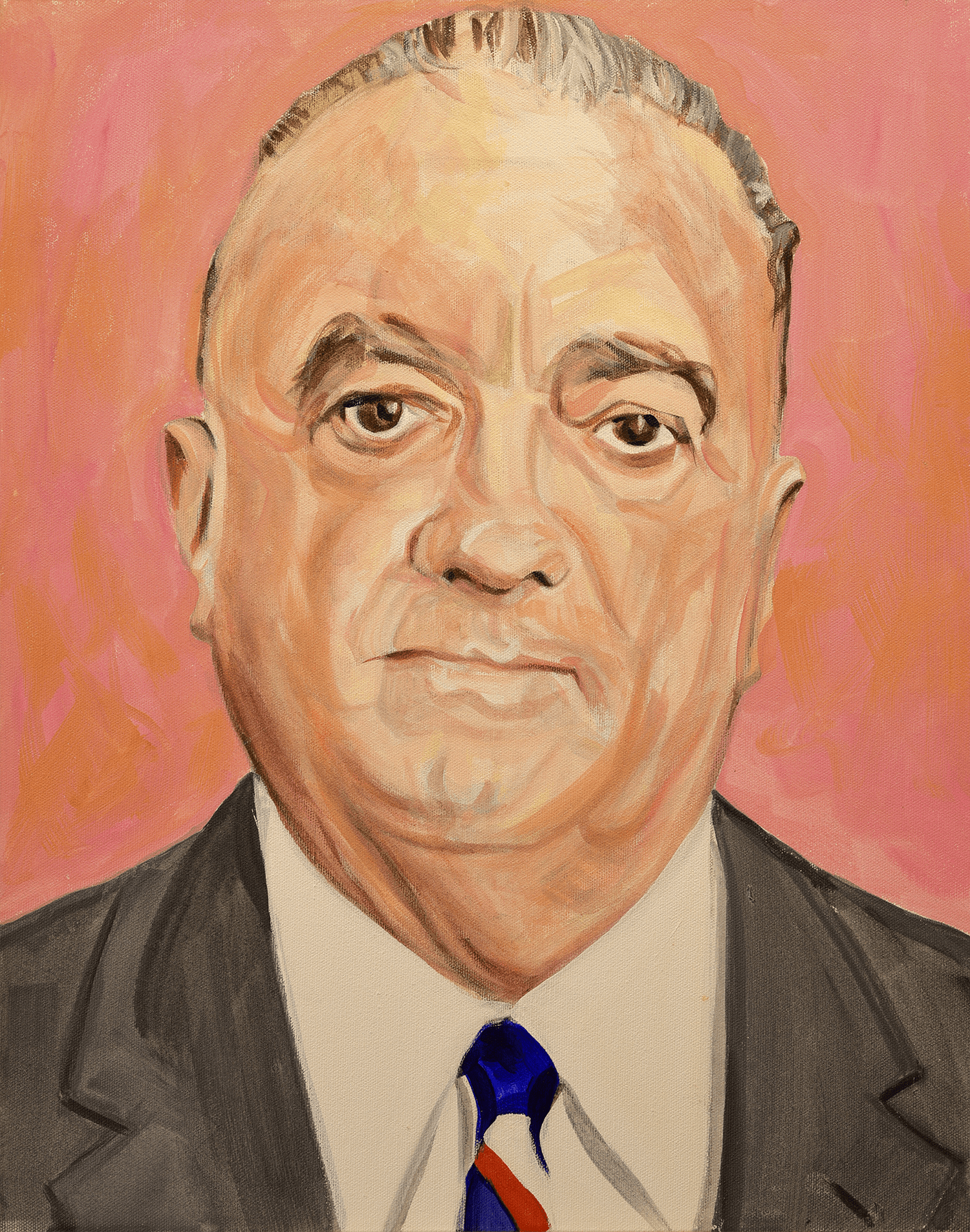
John Edgar HOOVER
Hoover was an American attorney who became legendary as the first Director of the Federal Bureau of Investigation in 1935 until his death in 1972. He rose to that position through his work in the Department of Justice's Alien Enemy Bureau and then with the Department's Bureau of Investigation of which he also had become Director, when that agency was replaced by the FBI. Hoover died before the Watergate scandal broke but before his death, he had appointed Mark Felt as Deputy Director who secretly became "Deep Throat."
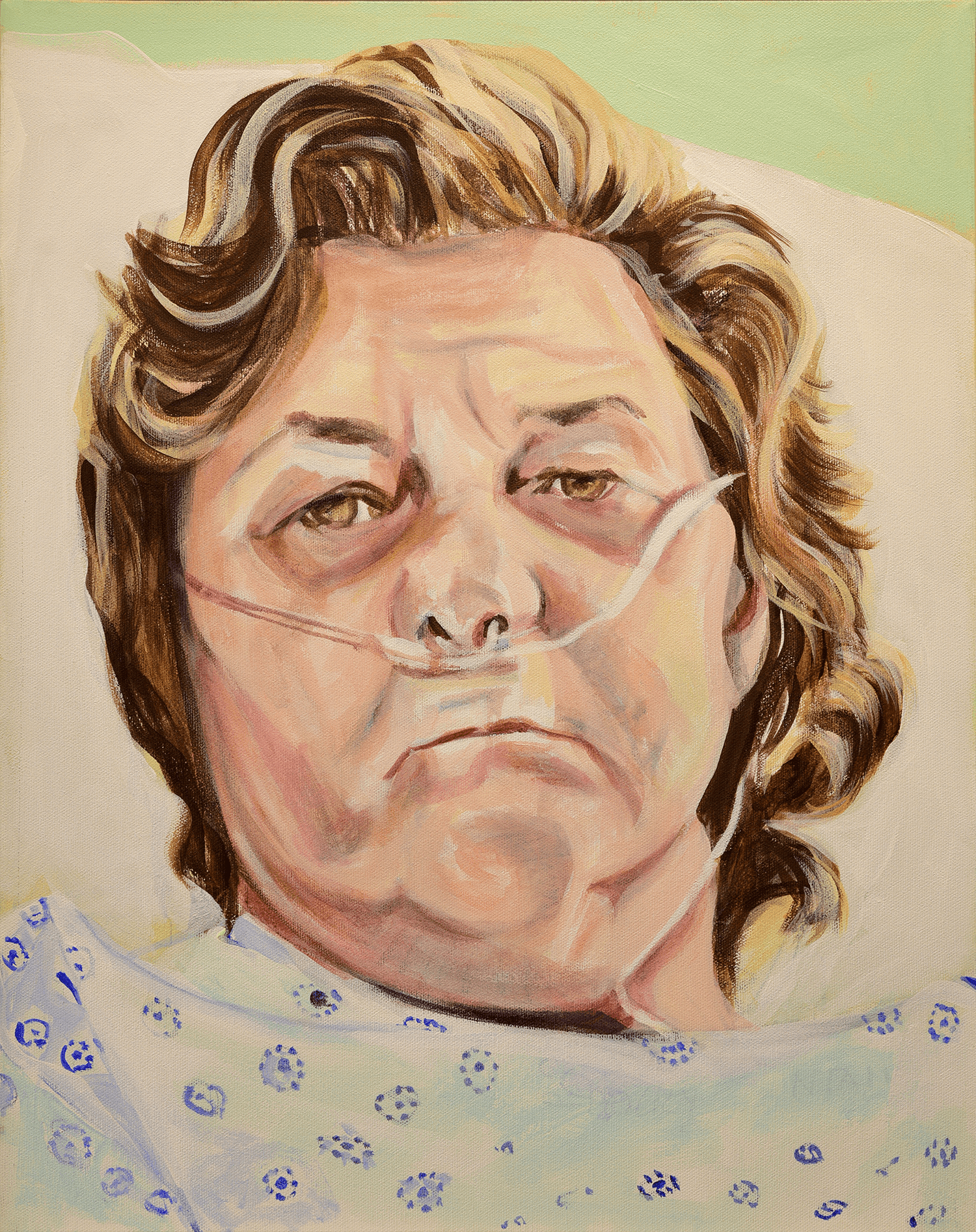
Adele Fournier “Dita” Davis BEARD
A lobbyist for International Telephone and Telegraph (ITT), Beard suggested that ITT might donate $400,000 to underwrite the 1972 Republican Convention if three Federal antitrust suits would be settled favorably to the Company. This was exposed by investigative journalist and syndicated columnist Jack Anderson when he published the memo she had written to her ITT bosses.
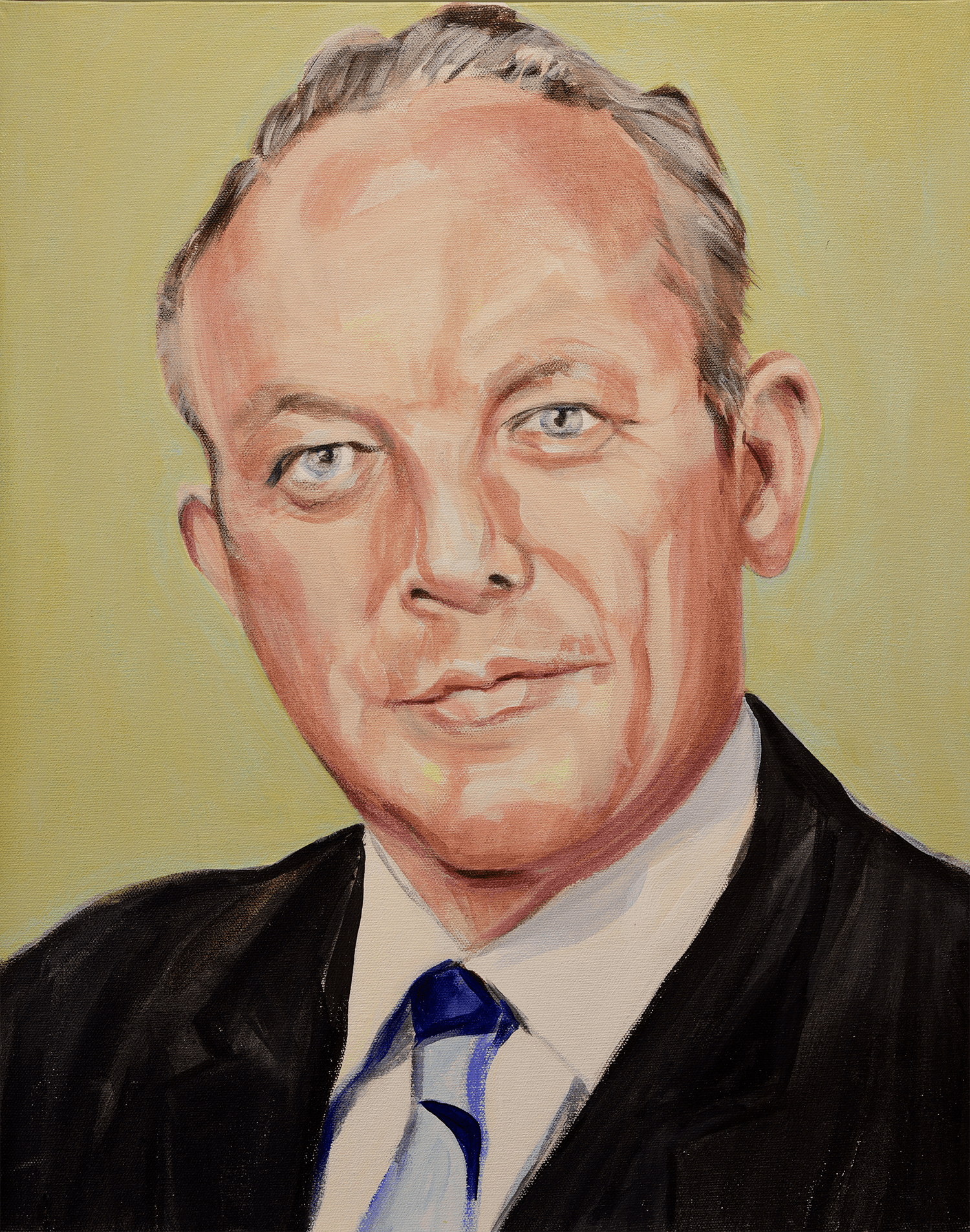
Richard Gordon KLEINDIENST
A Harvard trained lawyer and Arizona politician, Kleindienst became Deputy Attorney General under Nixon's Attorney General John Mitchell. In this capacity, he was ordered by Nixon and Ehrlichman to drop the federal case against the International Telephone & Telegraph Corporation, later lying about such interference to Congress. When John Mitchell left to become Director of CRP, Kleindienst became Attorney General. When asked by Mitchell to interfere with the FBI investigation of the Watergate break-in, Kleindienst did not do this, although he did not inform either the FBI or DOJ prosecutors of this attempt to obstruct justice. Kleindienst ultimately resigned as Attorney General and was later convicted of contempt of Congress for his incomplete testimony to the Senate investigative committee.
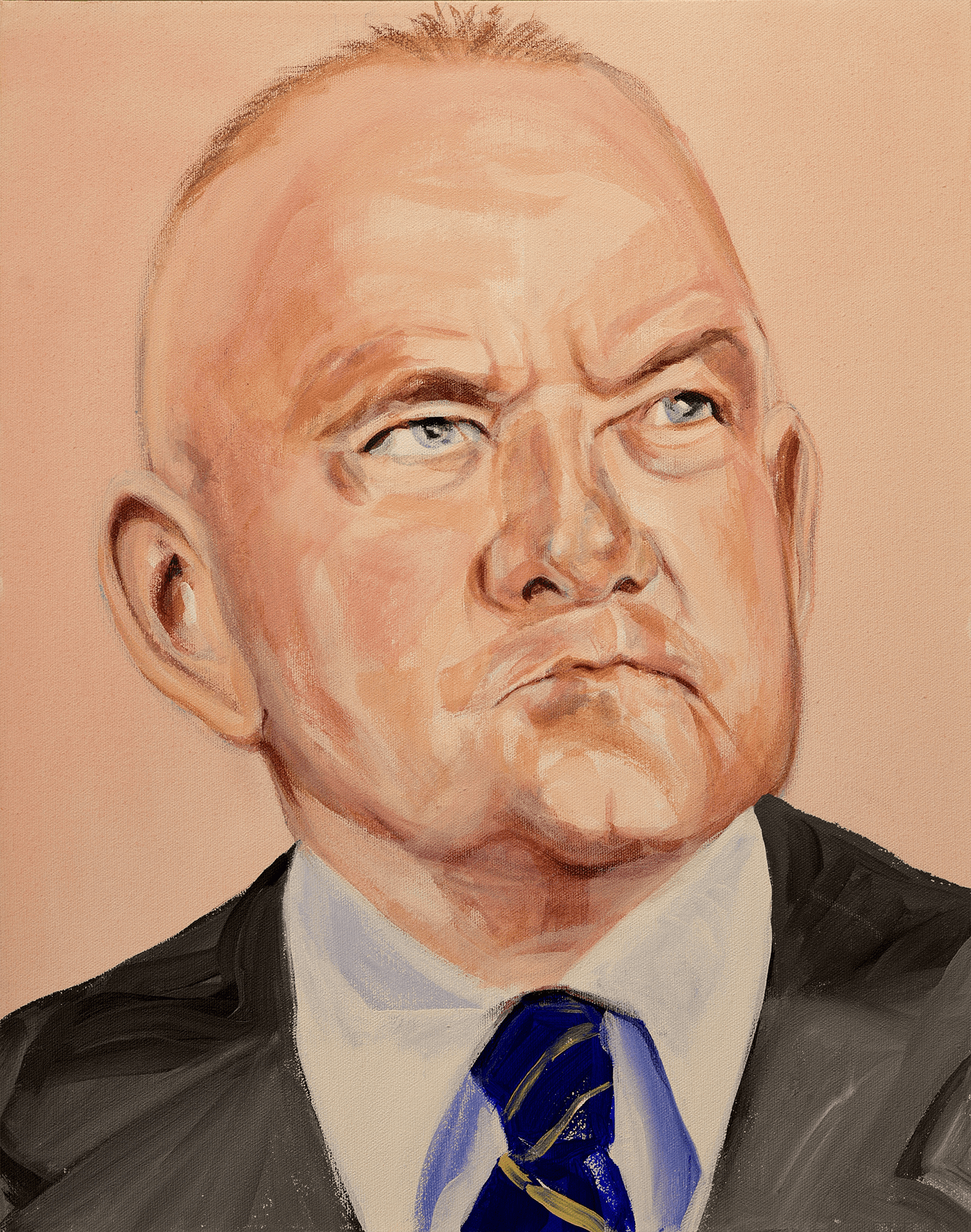
Louis Patrick GRAY III
A Naval officer and later in private practice as an attorney, Gray served several federal positions before being designated as Acting Director of the FBI following the death of J.Edgar Hoover. The Watergate break-in occurred shortly after he assumed this office. Initially Gray involved himself in the investigation, but then passed this duty onto his deputy Mark Felt when Gray became aware of the White House's displeasure at the FBI's involvement. Subsequently it was revealed that Gray actually had burned relevant papers and he was forced to resign his position in 1973. Later, when asked about "Deep Throat", Grey vehemently denied that it could be Mark Felt, but claimed rather that it was a pastiche of several people that Woodward and Bernstein interviewed.
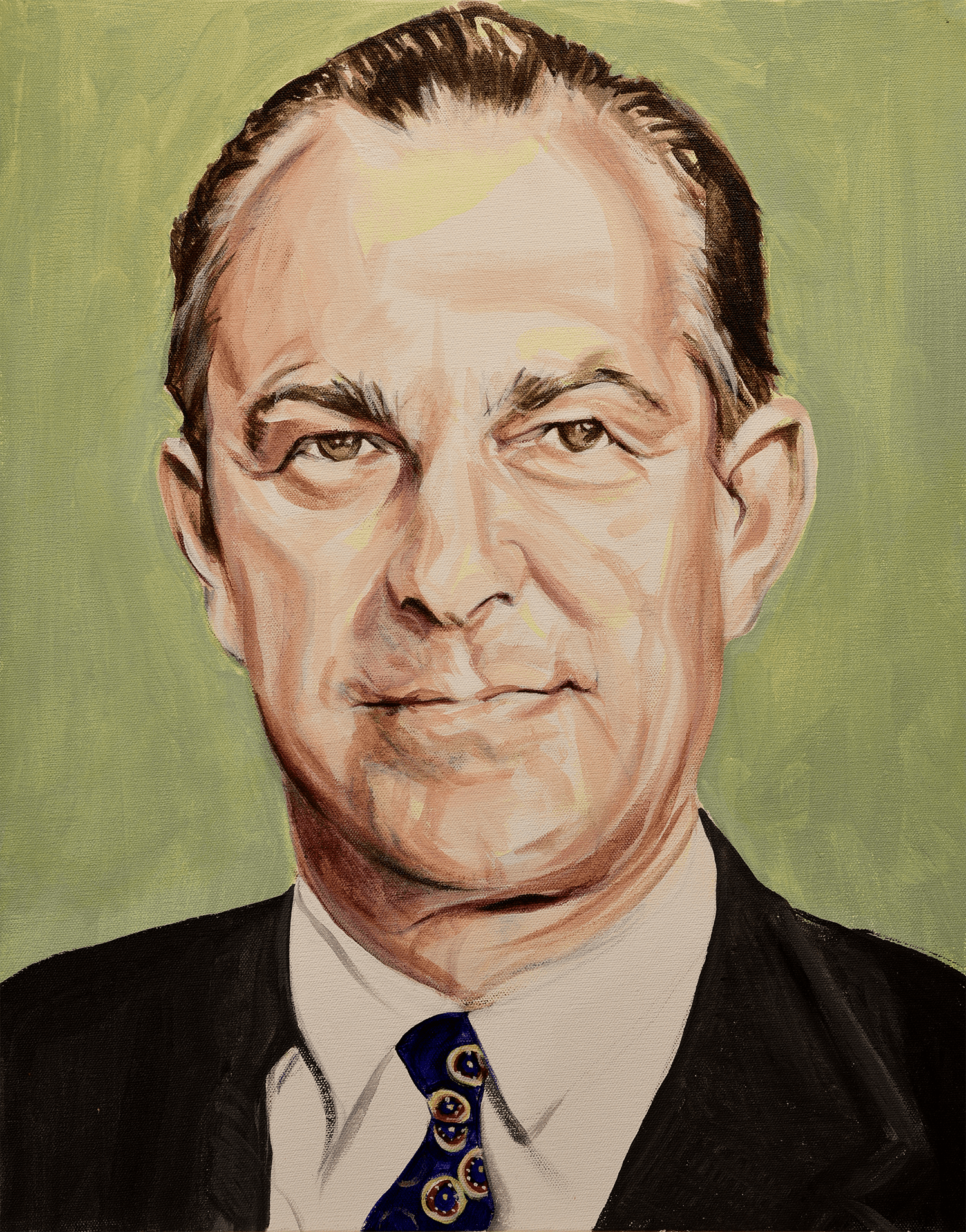
Richard McGarrah HELMS
Richard Helms had a long career in intelligence work even before his tenure as Director of the Central Intelligence Agency (DCI, 1966-1973), at which time he was appointed Ambassador to Iran by President Richard Nixon. He is the only DCI who was convicted for misleading Congress (with regard to the U.S. role in the overthrow of Chilean President-elect Allende). His 1973 orders to destroy some CIA program files were also decried by Congress.
Cord MEYER IV
A decorated war veteran and known pacifist, Meyer was recruited by Allen Dulles to join the CIA in 1949 and became a high-level Intelligence officer retiring in 1977. From 1948 through 1958, he was married to Mary Pinchot, a socialite and painter and Ben Bradlee's ex-sister-in-law, who moved in intelligence and intellectual circles. After their divorce, Mary Pinchot was rumored to be romantically linked with President John F Kennedy. In 1964, she was found murdered under suspicious circumstances. The murder remains unsolved, but it has been confirmed that her diary detailing her affair with JFK was given to a senior CIA official who reportedly burned it. After the death of E. Howard Hunt in 2005, his two older children claimed, but with no conclusive evidence, that their father had implicated several prominent people including Cord Meyer to have been involved in the assassination of JFK.
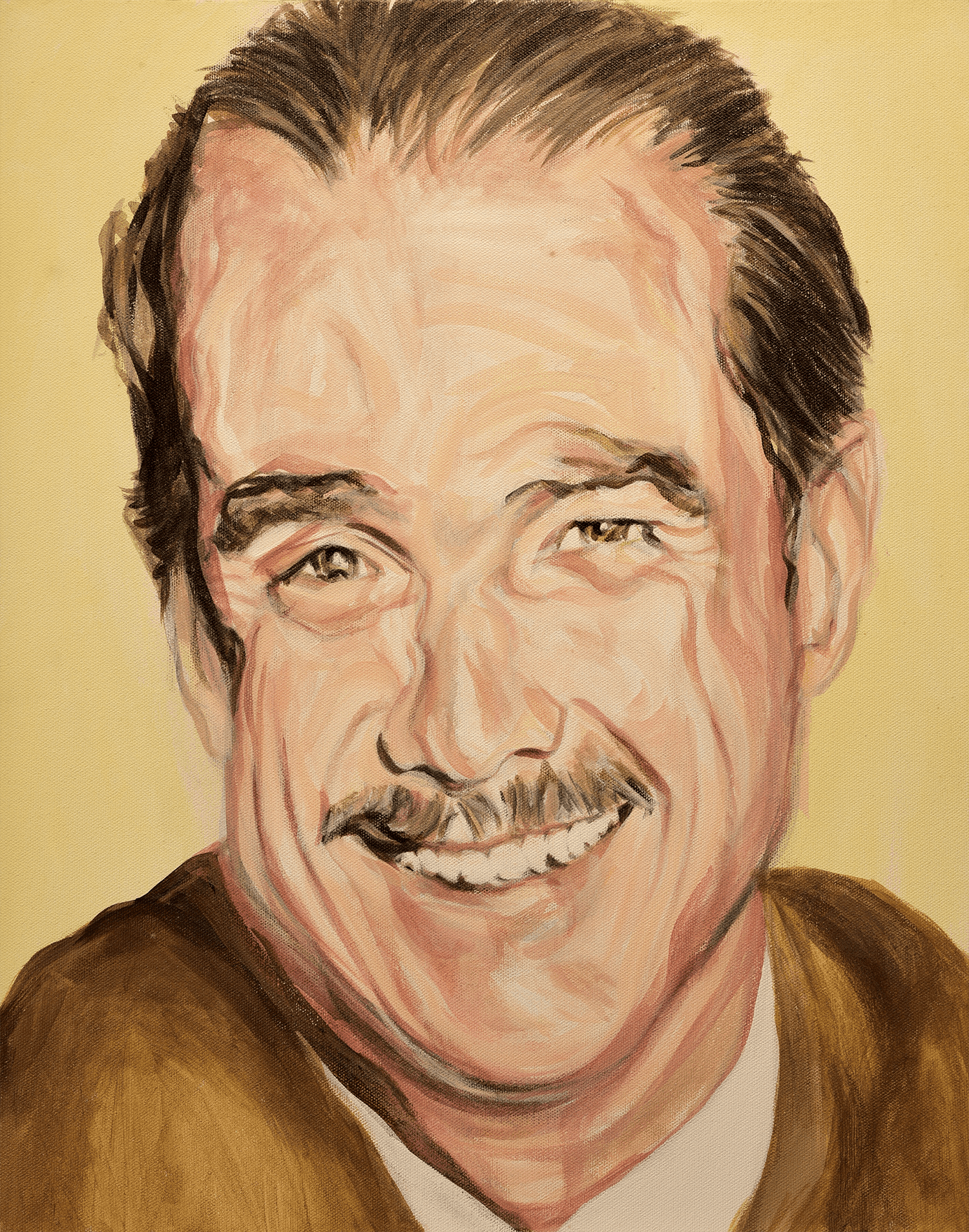
Howard Richard HUGHES, JR.
American aerospace engineer, business magnate, film producer, and investor. Shortly before the 1960 Presidential election, Richard Nixon was alarmed when it was revealed that his brother, Donald, had received a $205,000 loan from Hughes. In late 1971, Donald Nixon was collecting intelligence for his brother in preparation for the upcoming presidential election. One of his sources was John H. Meier, a former business adviser of Hughes who had also worked with Democratic National Committee Chairman Larry O'Brien. Meier, in collaboration with former Vice President Hubert Humphrey and others, wanted to feed misinformation to the Nixon campaign. Meier told Donald that he was sure the Democrats would win the election because Larry O'Brien had a great deal of information on Richard Nixon's illicit dealings with Howard Hughes that had never been released; O'Brien did not actually have any such information, but Meier wanted Nixon to think that he did. It is speculated that it was Nixon's desire to know what O'Brien knew about Nixon's dealings with Hughes that may have partially motivated the Watergate break-in.
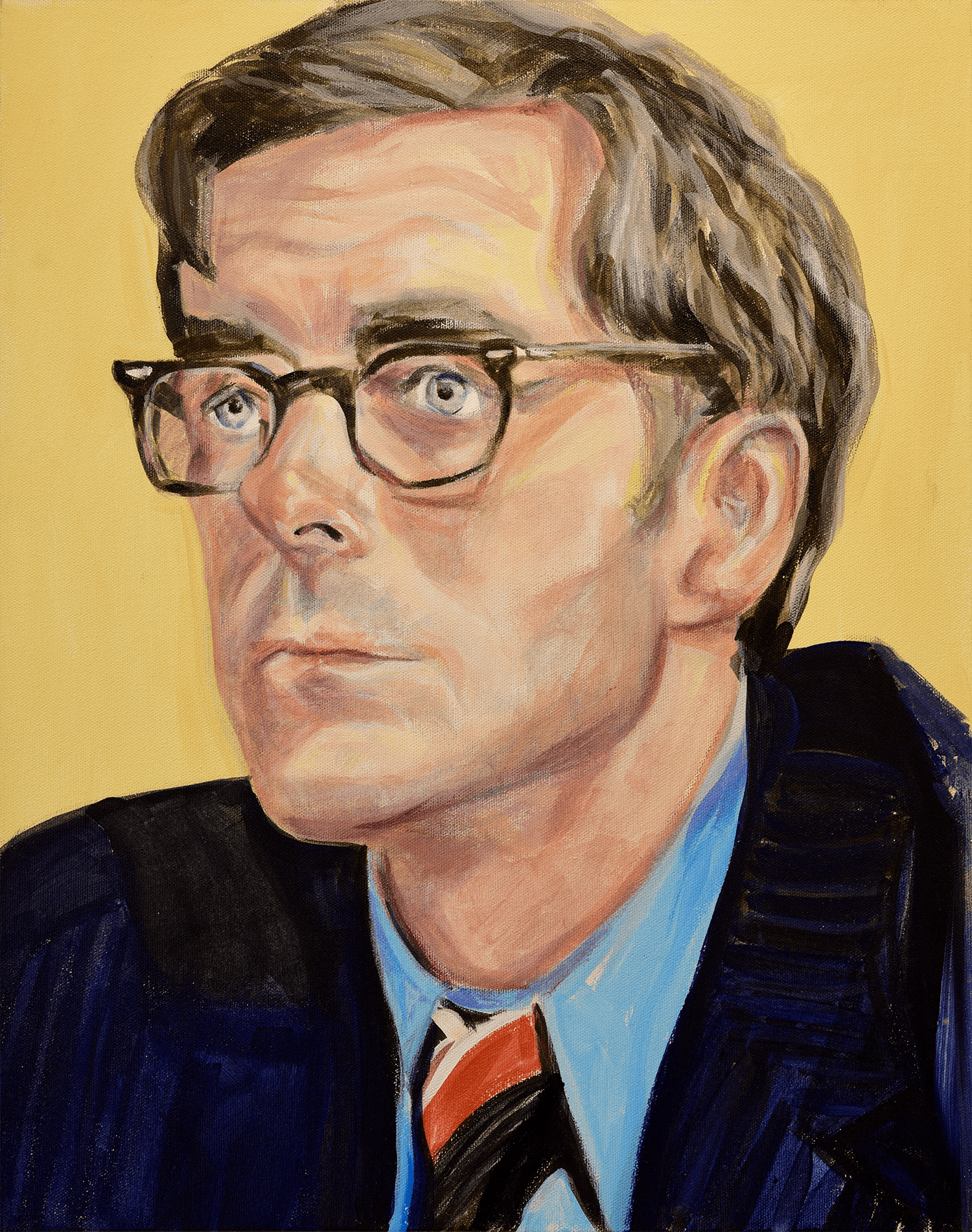
Hugh W SLOAN, Jr.
A fundraiser for various Republican committees, he became treasurer of the Committee to Re-elect the President (CRP) in 1972, but subsequently resigned as the Watergate Scandal evolved and when he realized what the Plumbers had actually done. He also became an informant to Woodward and Bernstein about how the CRP functioned, and they described him as one of the few honest men they met in relation to this matter.
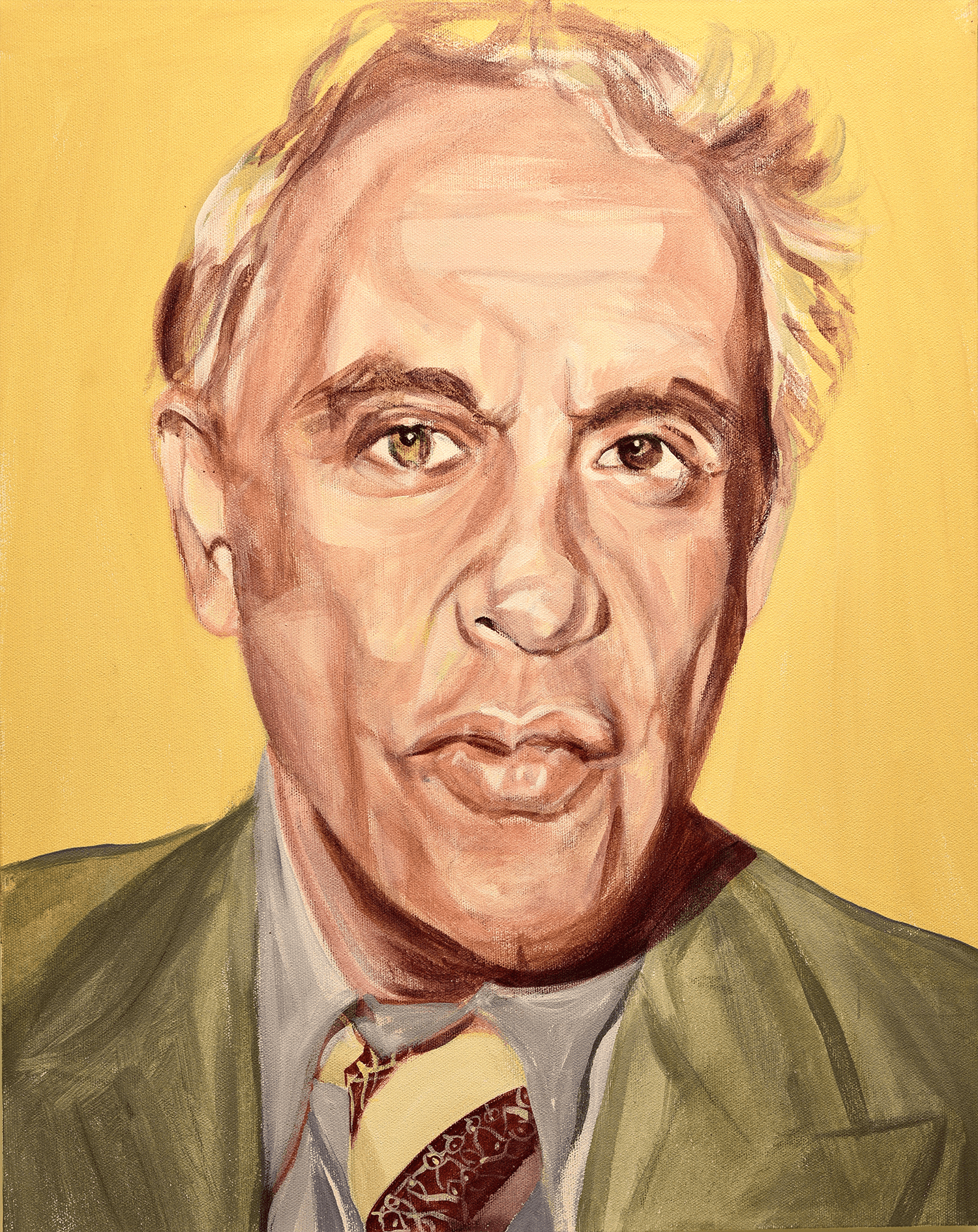
Eugenio Rolando “Musculito” MARTINEZ Careaga
A Cuban-born anti-Castro activist, Martinez was of the five men recruited by G. Gordon Liddy and E.Howard Hunt to break into the Democratic National Committee headquarters in the Watergate Complex (the others being Bernard Barker, Virgilio Gonzalez, James McCord, and Frank Sturgis.) For this crime, he was convicted and served a prison term, but was later pardoned by President Ronald Reagan. It was also later revealed that at the time of the burglary, Martinez was a paid asset of the CIA. At the time of his death, he was the last surviving member of the Watergate burglars.
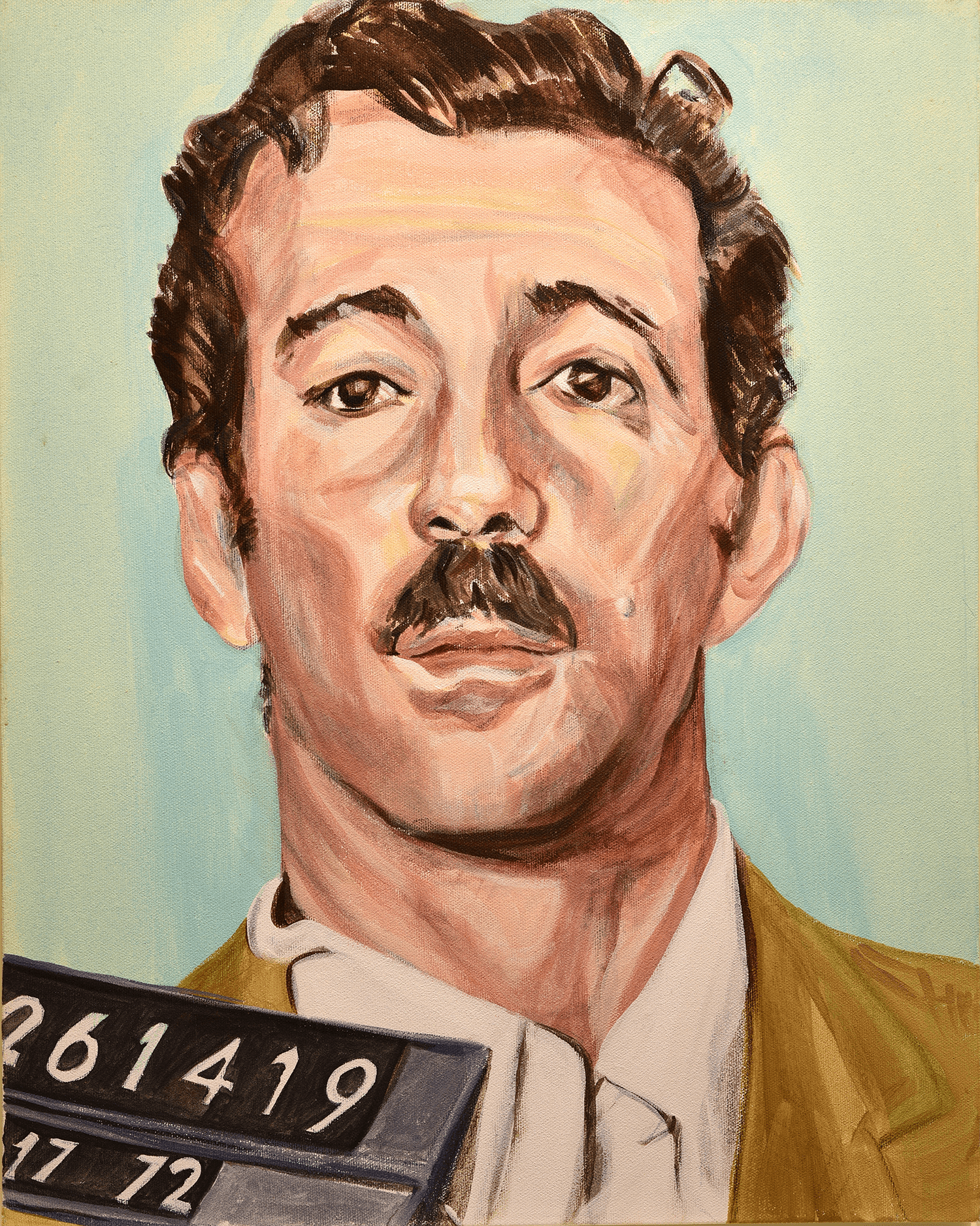
Virgilio GONZALEZ
An expert locksmith and political activist of Cuban birth, he was one of five burglars arrested on June 17, 1972, at the Democratic National Committee headquarters in the Watergate complex. It was revealed later that he was on the team that had broken in earlier to place bugs in the headquarters but had not been detected. He pleaded guilty and served 13 months prison time.
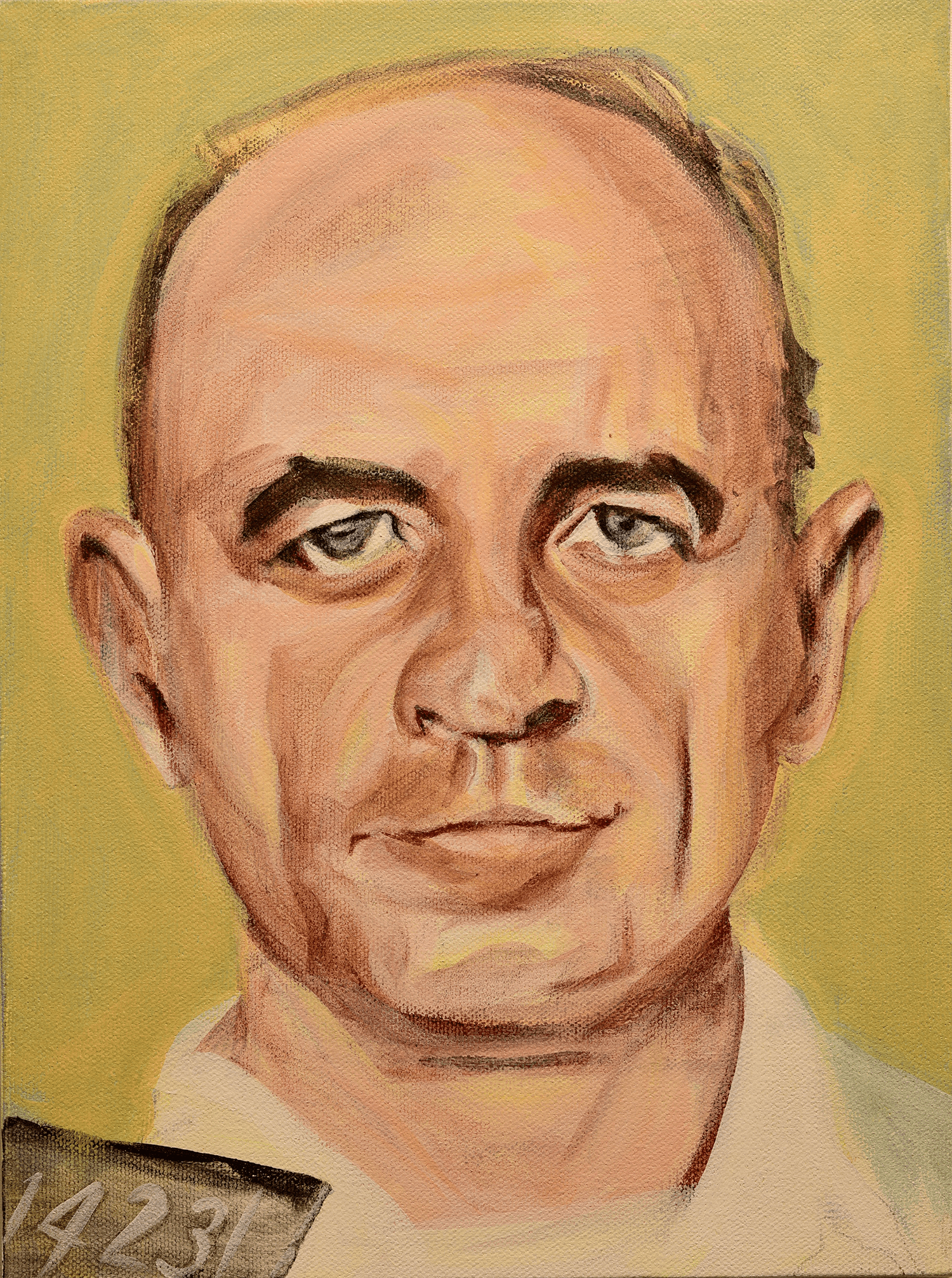
James W. McCORD Jr
An ex-CIA officer and electronics expert, McCord joined the Committee for the Re-election of the President (CRP) as its head of security. He was one of the five burglars apprehended on the night of June 17, 1972, McCord insisted that the White House not only knew of and approved the break-ins, but was also participating in an active cover-up of events. One of the first of the burglars to be convicted and facing a large prison sentence, McCord wrote a letter to Judge John Sirica informing the Judge that he and the other burglars had perjured themselves under pressure, but that he would now cooperate with the Watergate investigation. He did subsequently receive a reduced sentence.
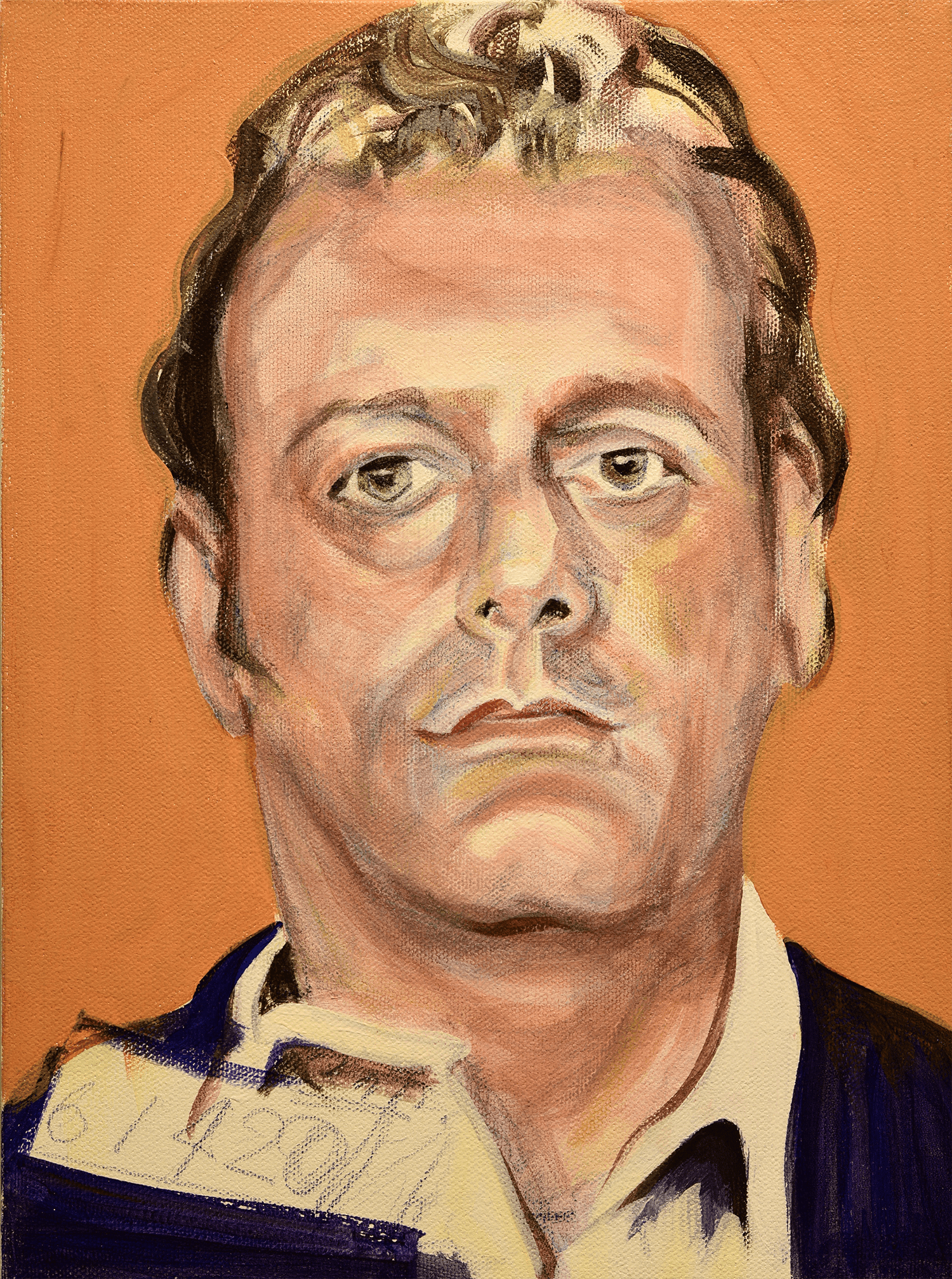
Frank STURGIS
Sturgis was of the five men recruited by G. Gordon Liddy and E. Howard Hunt to break into the Democratic National Committee headquarters in the Watergate Complex. For this he was convicted of conspiracy, burglary and wiretapping. Sturgis' complex and shady background in undercover and intelligence work such as gun running, revolutionary support and assassinations throughout the world, particularly Cuba, have raised unanswered questions, including alleged involvement in JFK's assassination.
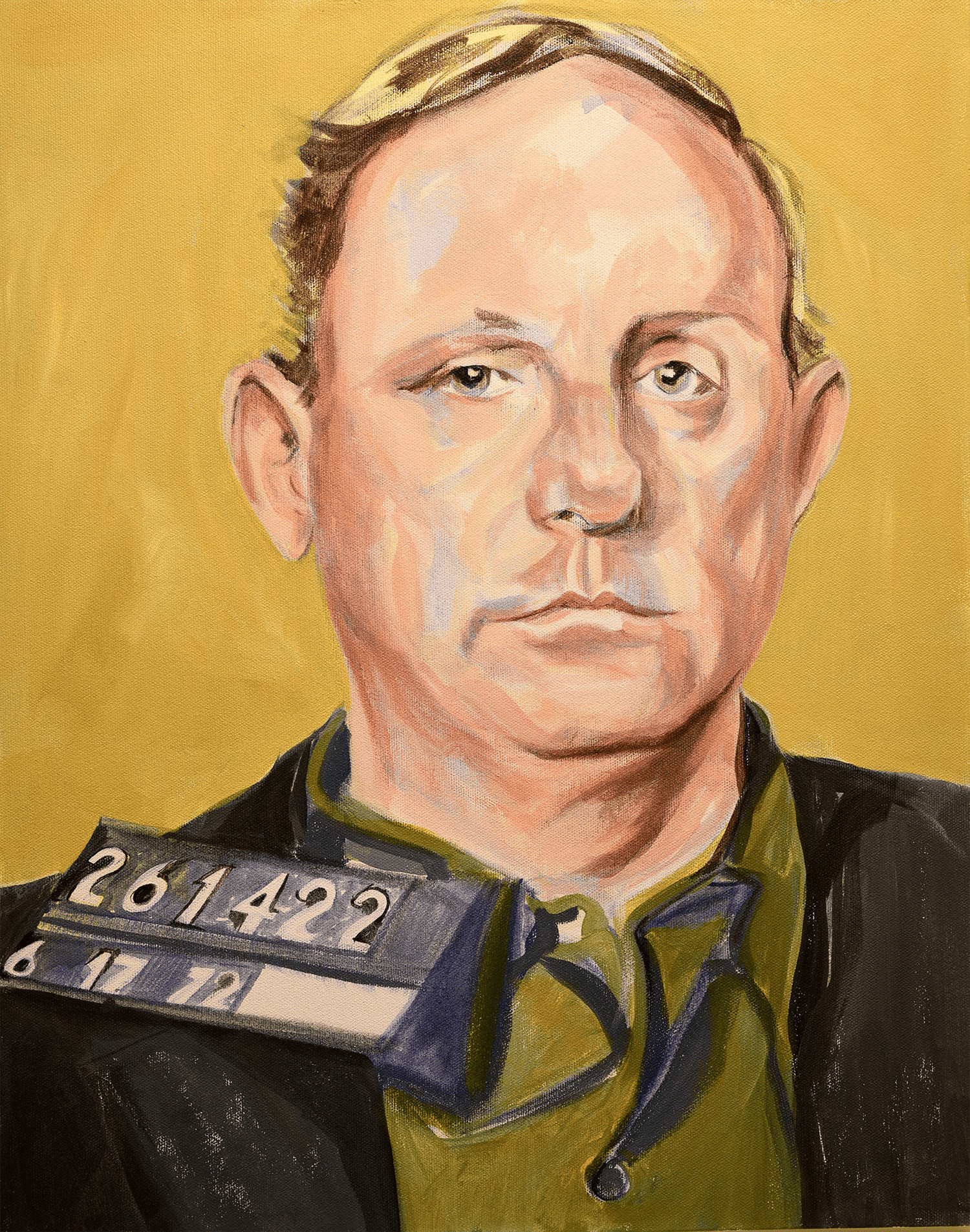
Bernard Leo BARKER
One of the Watergate burglars as well as a burglar of the office of Daniel Ellsberg's psychiatrist, Barker was born in Cuba but had dual American citizenship. He served in the American Military during World War II as well as with Cuban secret police under Battista, and later did work for both the FBI and CIA. He was convicted of both burglaries and served prison time.
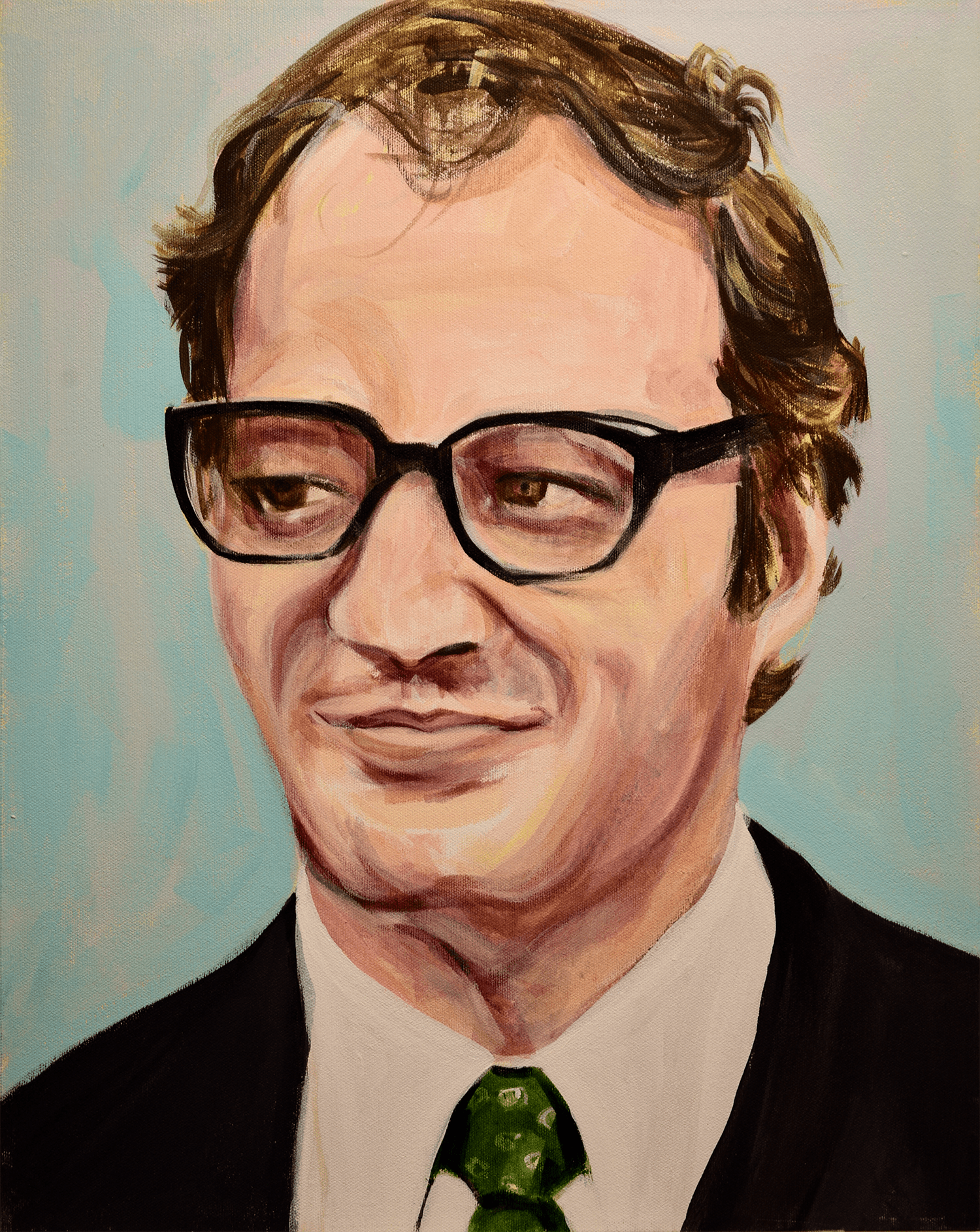
Egil “Bud” KROGH
An American attorney who had worked in John Ehrlichman's Seattle law firm, Krogh joined the Nixon White House, serving in various capacities and eventually as head of the "Special Investigation Unit" a/k/a the "Plumbers". In this capacity, he approved a break-in of the office of Daniel Ellsburg's psychiatrist Lewis Fielding, carried out by Gordon Liddy and E. Howard Hunt. Krogh's tenure at the White House was terminated when he would not approve a wiretap. In 1973, when charged with conspiring to violate Fielding's civil rights, he pleaded guilty but he also agreed to cooperate with prosecutors and did serve prison time. In 1980, his petition to be reinstated to practice law was granted.
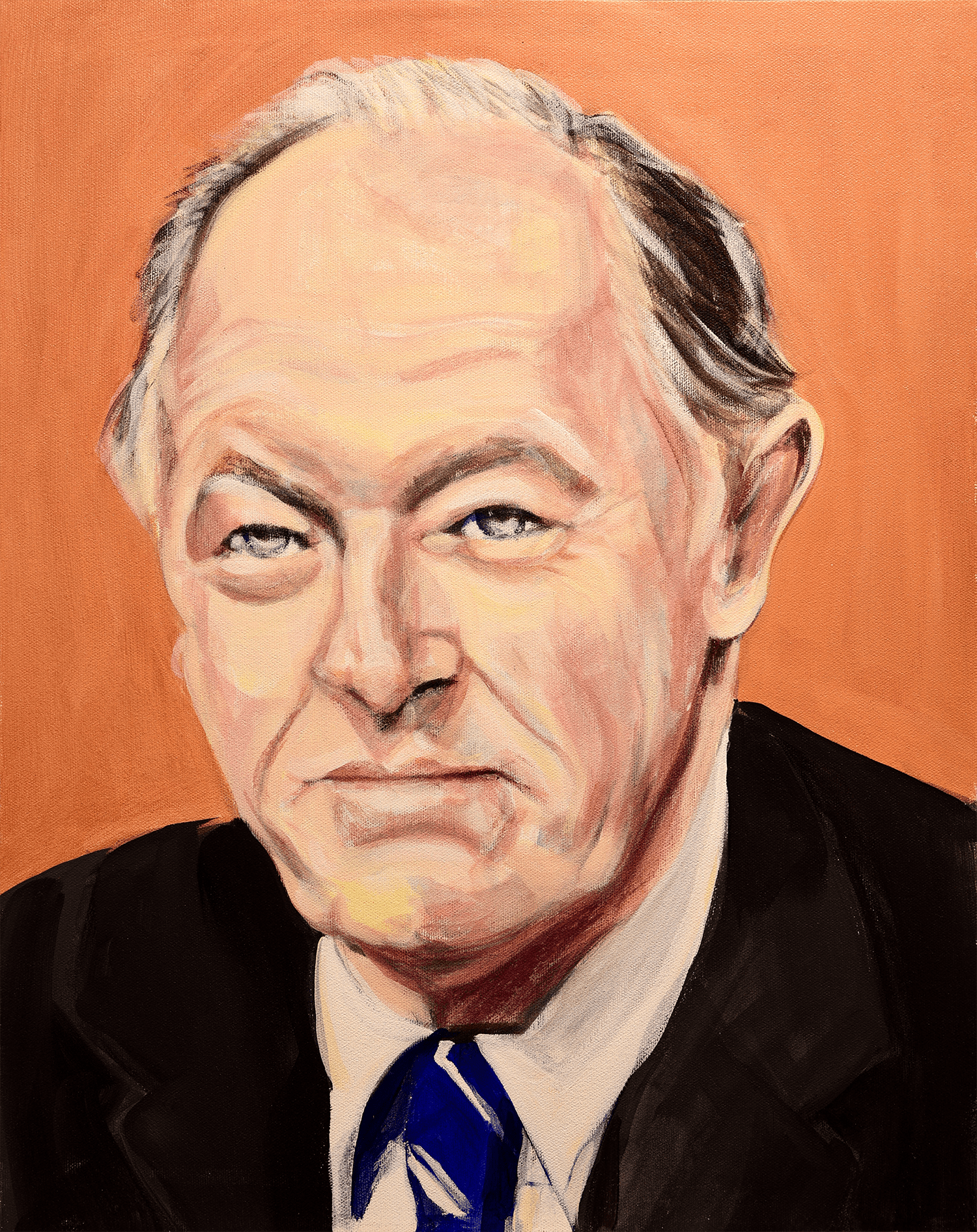
Everette Howard HUNT, JR.
E. H. Hunt had a multifaceted resume - World War II veteran, a CIA operative, a consultant, a novelist - before joining the White House Special Investigations Unit under Charles Colson in 1971. In addition to his involvement in the burglary of Daniel Ellsberg's psychiatrist's office and other deceptive schemes, he (along with G. Gordon Liddy) led the burglars who broke into the Democratic National Committee headquarters in the Watergate. He was convicted and served prison time for his role in the break-in.
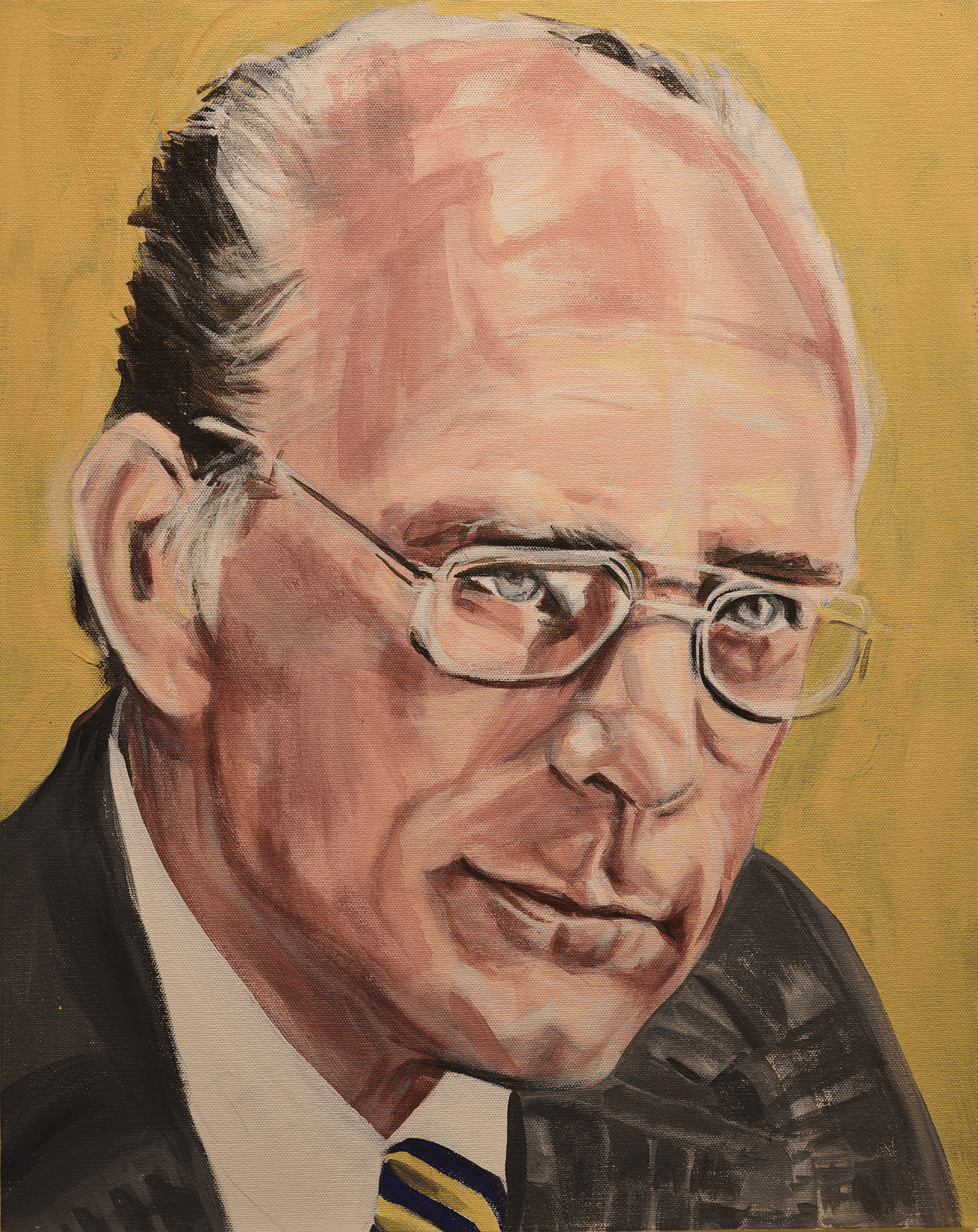
Frederick Cheney "Fred“ LaRUE
LaRue was an aide in the administration of U.S. President Richard Nixon. LaRue was present at an early meeting with United States Attorney General John N. Mitchell at which the Watergate burglary was planned. Afterwards, LaRue assisted in the cover-up, supervising the shredding of documents and the destruction of financial records. He served a short prison sentence for his role.
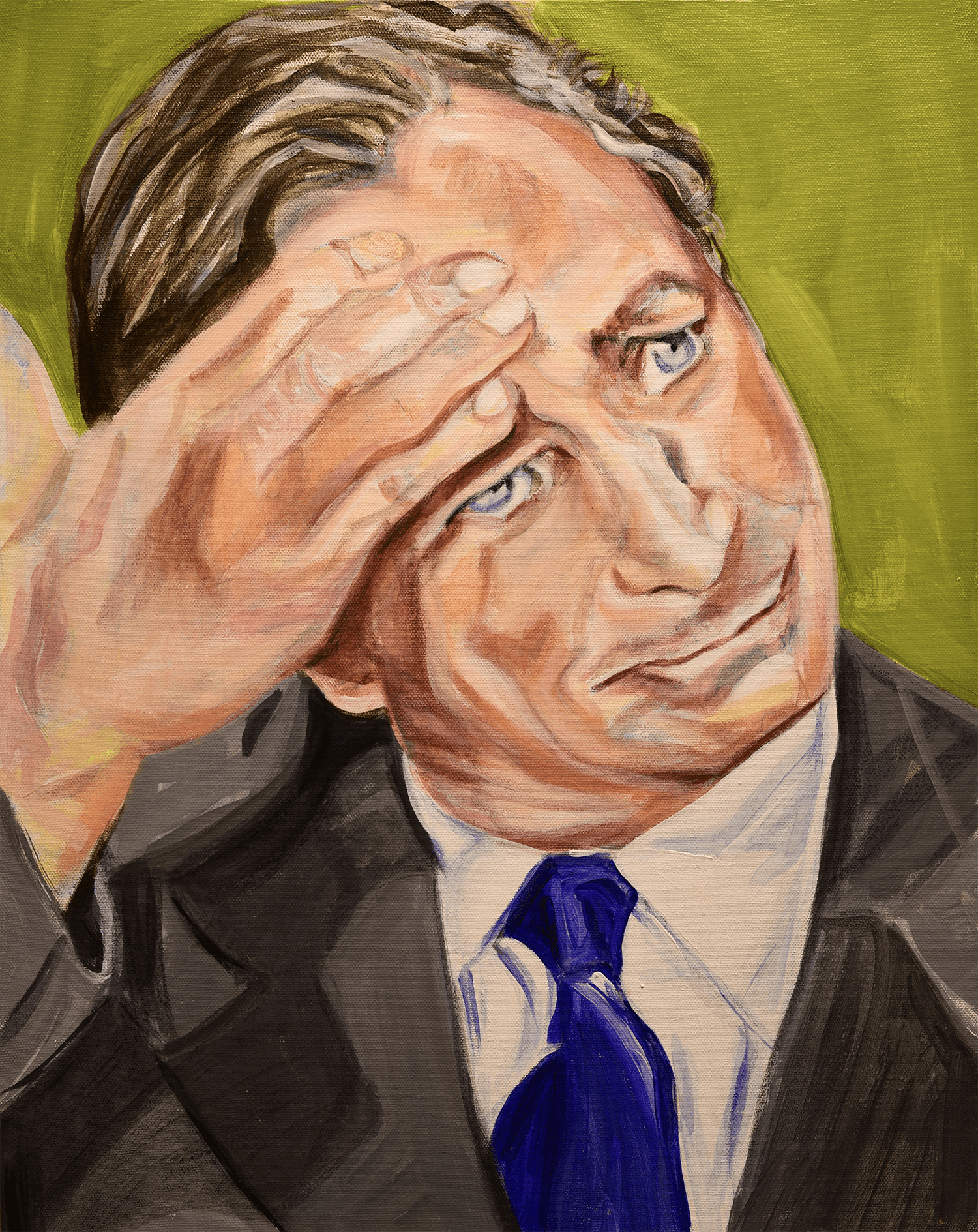
Leonard GARMENT
A prominent New York attorney and jazz aficionado, he was a close friend of Richard Nixon and served as Special Counsel to the President from 1972 through 1973. He left that role before Nixon resigned, but later pressed President Ford to grant Nixon's pardon. At one point, he was mistakenly suspected of being "Deep Throat", the secret Woodward-Bernstein source.
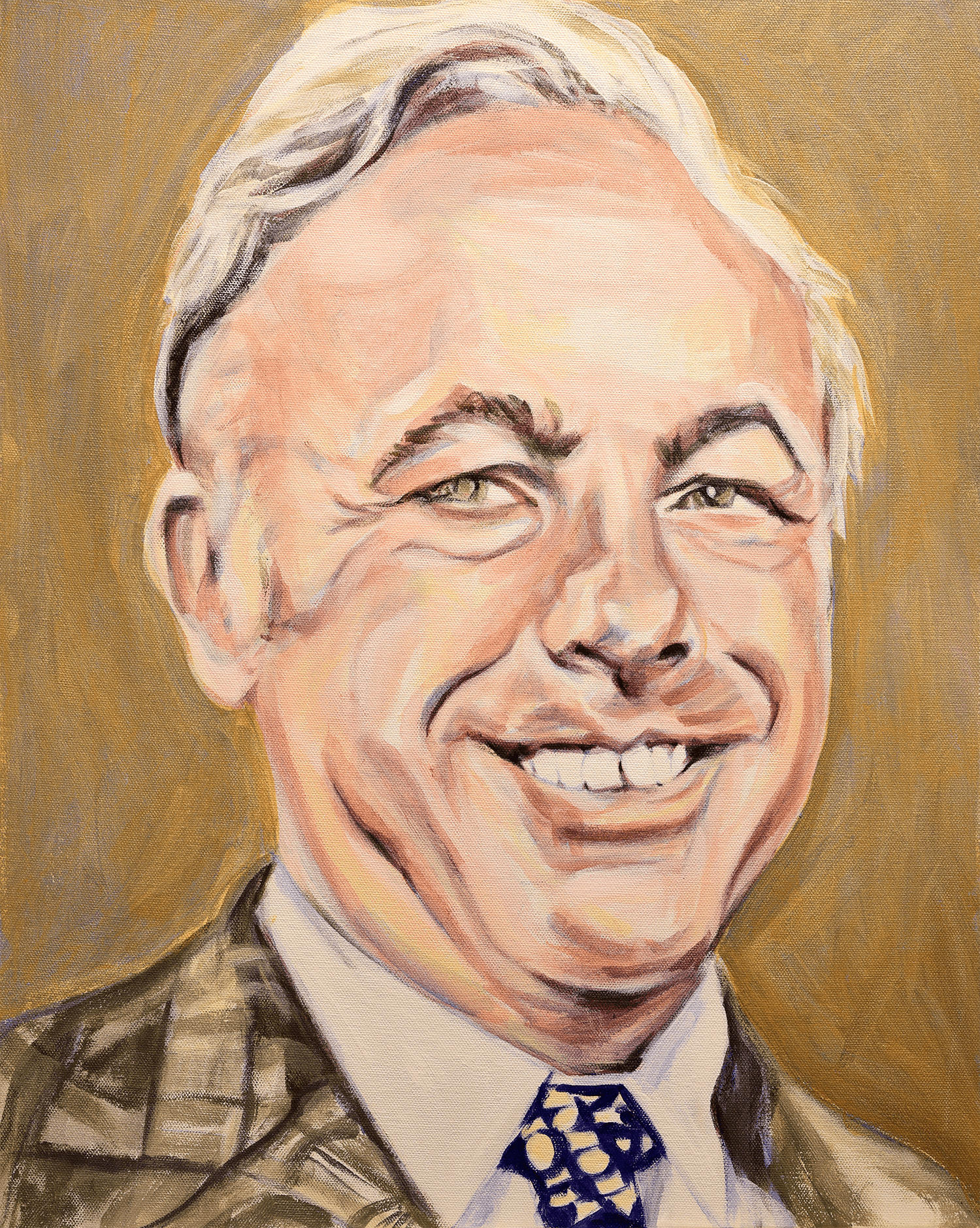
James D. ST CLAIR
An American lawyer who served as chief legal counsel for President Richard Nixon, representing Nixon before the Supreme Court in United States v. Nixon, 418 U.S. 683 (1974). However, the Supreme Court ruled 8-0 (Justice Rehnquist recusing himself) against President Nixon, stating that he must deliver all subpoenaed material including the White House tape recordings to the appropriate federal district court.
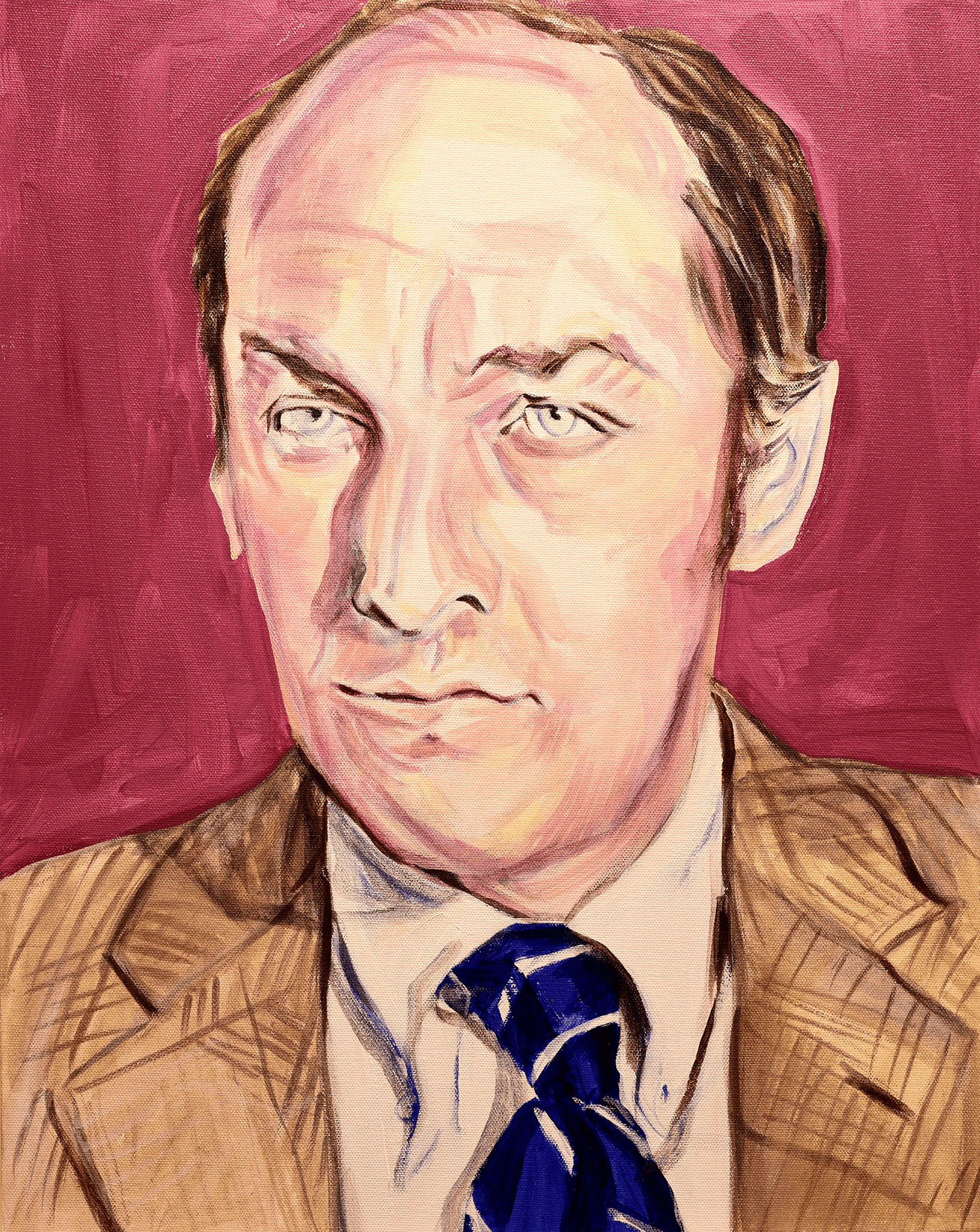
David R. Young, Jr.
A lawyer trained at Cornell, in 1970, Young joined the staff to the National Security Counsel and became Special Assistant to the National Security Council & Administrative Assistant to Henry Kissinger. With Egil Krogh, deputy to John Ehrlichman, he founded "The Plumbers", the White House Special Investigations Unit to stop leaks. Although he had nothing to do with the break-in, he was granted immunity by the Senate Watergate Investigation Committee with the permission of Judge Sirica, and then testified that he had removed incriminating information from White House files in 1972, which he shared with the Committee. He subsequently moved to the UK.
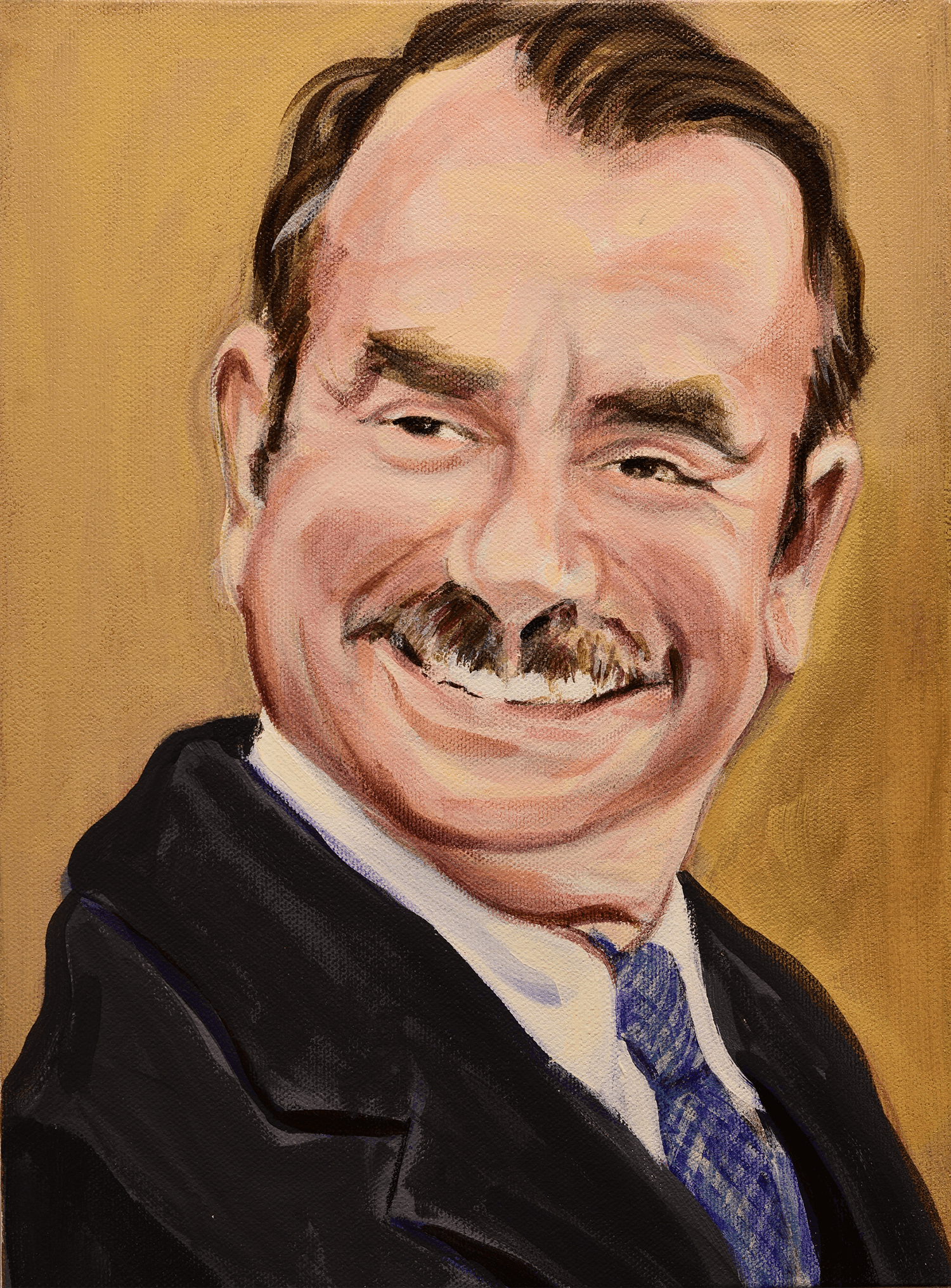
G. Gordon LIDDY
A Fordham trained lawyer who held many jobs including FBI agent for five years, Liddy eventually worked for the Committee to Re-elect the President (CRP) from 1971 through 1972 during which time he participated in the break-in at Daniel Ellsburg's psychiatrist's office as well as serving as leader with E. Howard Hunt of the five burglars who made at least two entries into the Democratic National Committee's headquarters in the Watergate Complex. (Liddy, Hunt and the five actual burglars were labeled as "the Watergate Seven" in the press.) Liddy was convicted of multiple crimes in this regard, including conspiracy and criminal contempt of Congress, for which he both paid a fine and served time in prison.
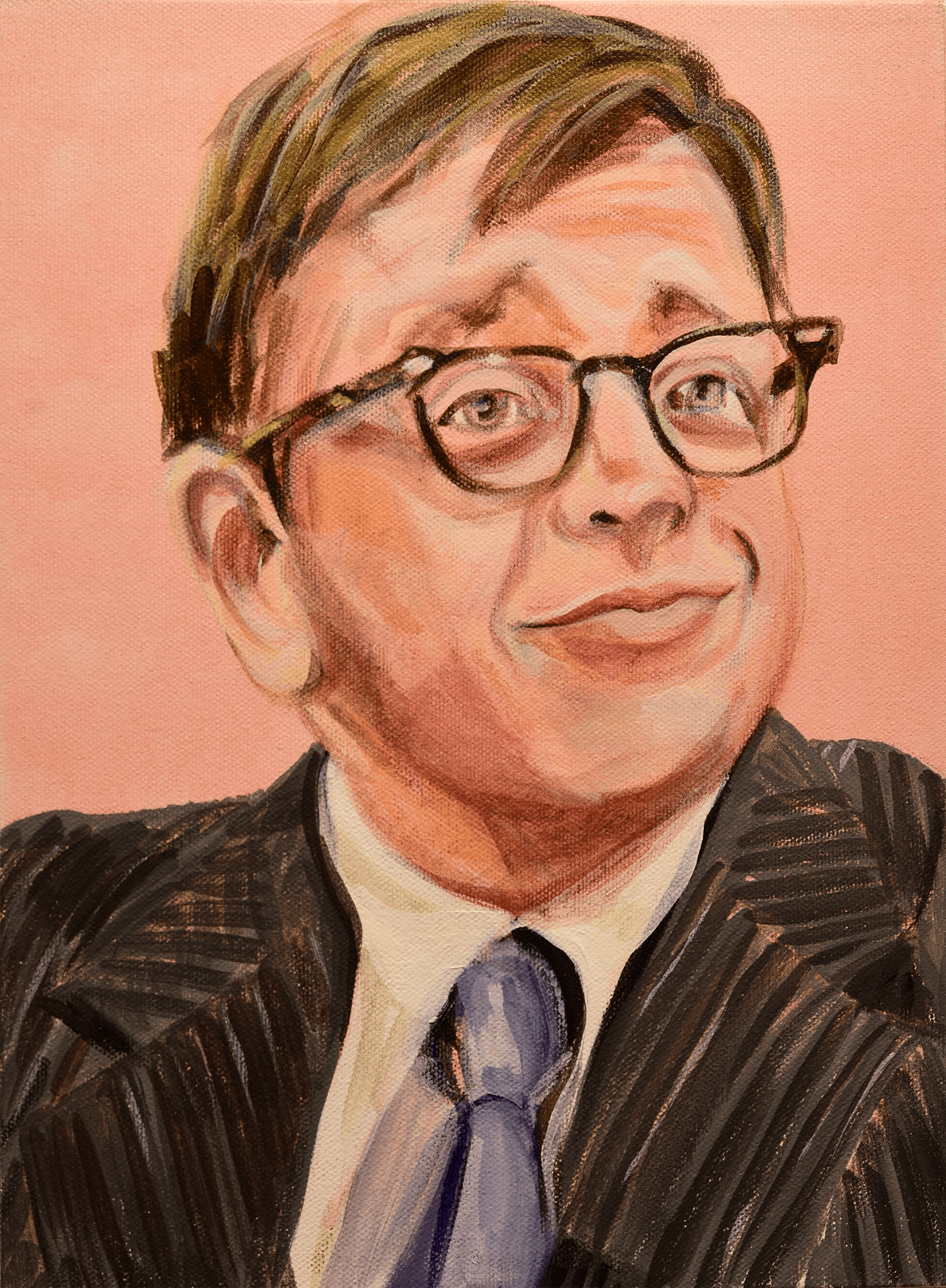
Charles “Chuck” Wendell COLSON
Frequently referred to as "Nixon's Hatchett Man", Colson was an attorney, political advisor and served as Special Counsel to Richard Nixon. He was named as one of the Watergate Seven and eventually pleaded guilty to obstruction of justice for attempting to defame Pentagon Papers defendant Daniel Ellsberg. In 1974, Colson served seven months in federal prison, as the first member of the Nixon administration to be incarcerated for Watergate-related charges. He later experienced a mid-life religious conversion and formed a non-profit ministry "Prison Fellowship".

Donald H. SEGRETTI
An American lawyer who joined the Committee to Re-elect the President (CRP) in 1972 in order to plan and implement political sabotage efforts against Democrats, with his work being paid for by Herb Kalmbach, Nixon's lawyer, from presidential campaign re-election funds. Segretti's efforts were ultimately exposed during the investigations of the Watergate scandal. In October 1973, he appeared as a witness before the Senate Watergate Committee. In 1974, Segretti pleaded guilty to three misdemeanor counts of distributing illegal campaign literature. He was sentenced to six months in prison and served four.
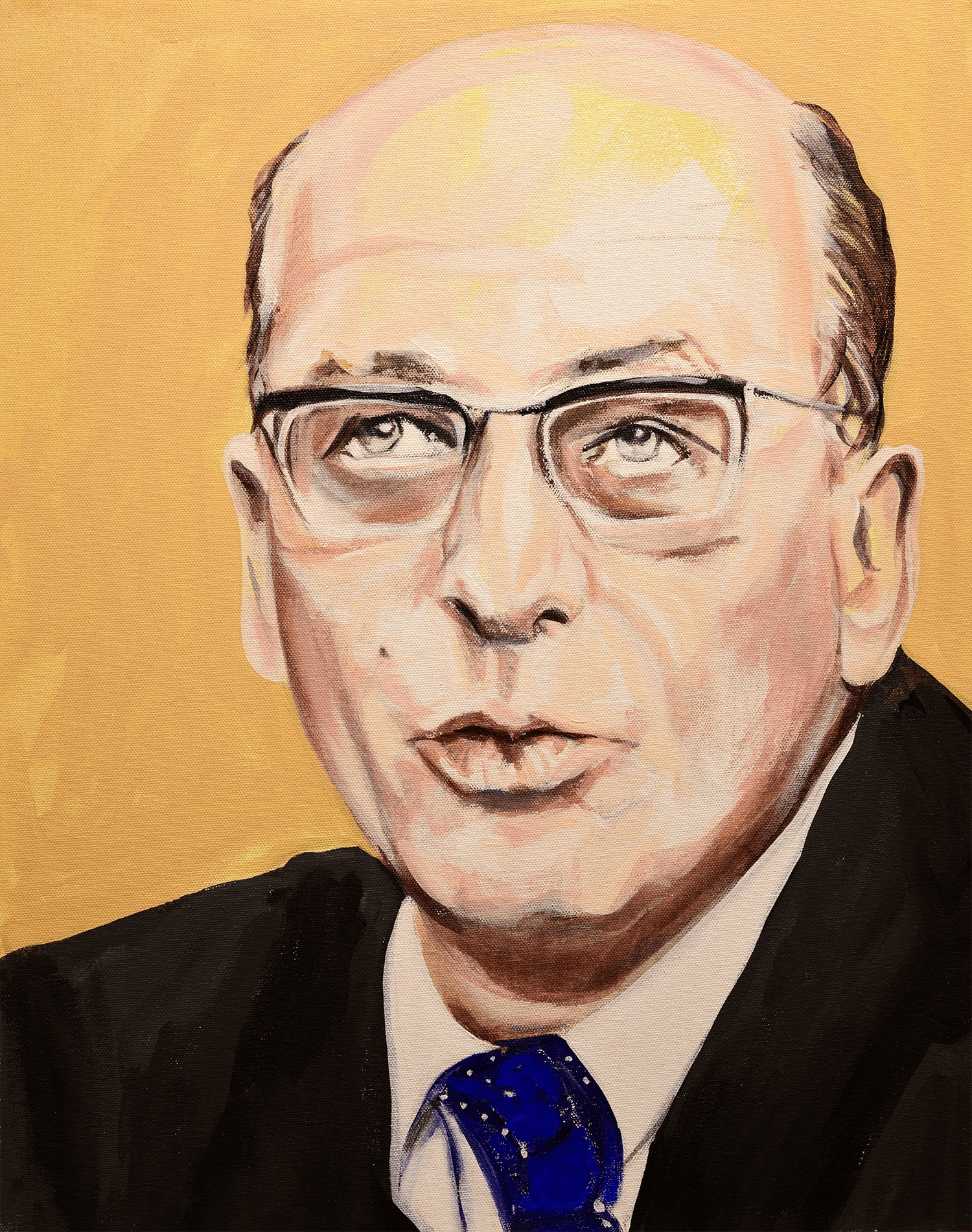
Robert Charles MARDIAN
An attorney and a Republican activist, he was the Assistant Attorney General under John Mitchell who headed the federal prosecution of Daniel Ellsburg under the Espionage Act of 1917. He then joined the Committee for the Re-election of the President (CRP) as a political coordinator and counsel. In 1973, Jeb Magruder accused Mardian of participating in the coverup which led to Mardian's conviction on one count of conspiracy. However, the conviction was overturned on appeal.
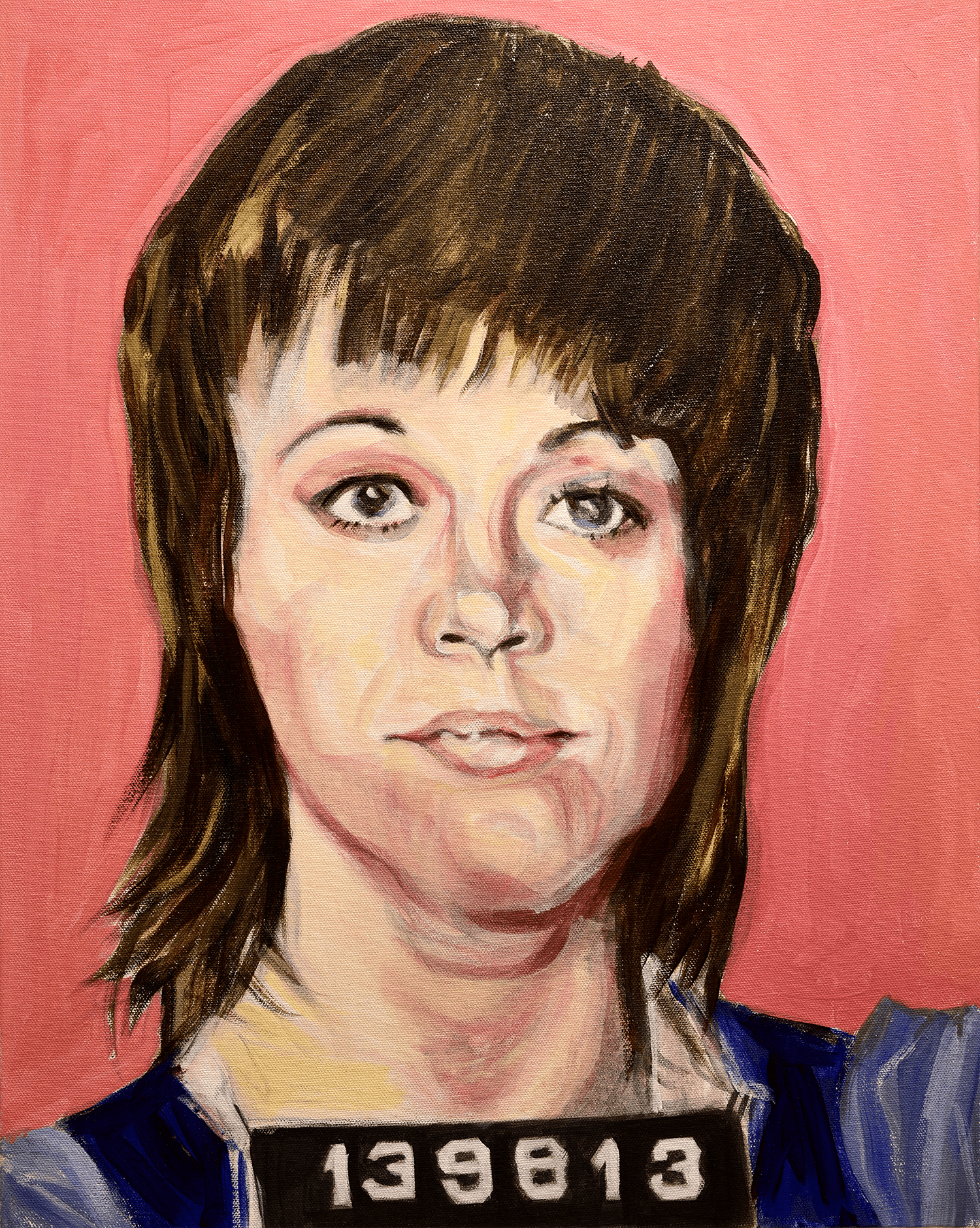
Jane FONDA
An American actress and political activist whose strong public protests against U.S. involvement in the Vietnam war created much ire in conservative circles. Her name appeared on Richard Nixon's "Enemies List" and it was later discovered that she was under NSA Surveillance from 1967 through 1973.
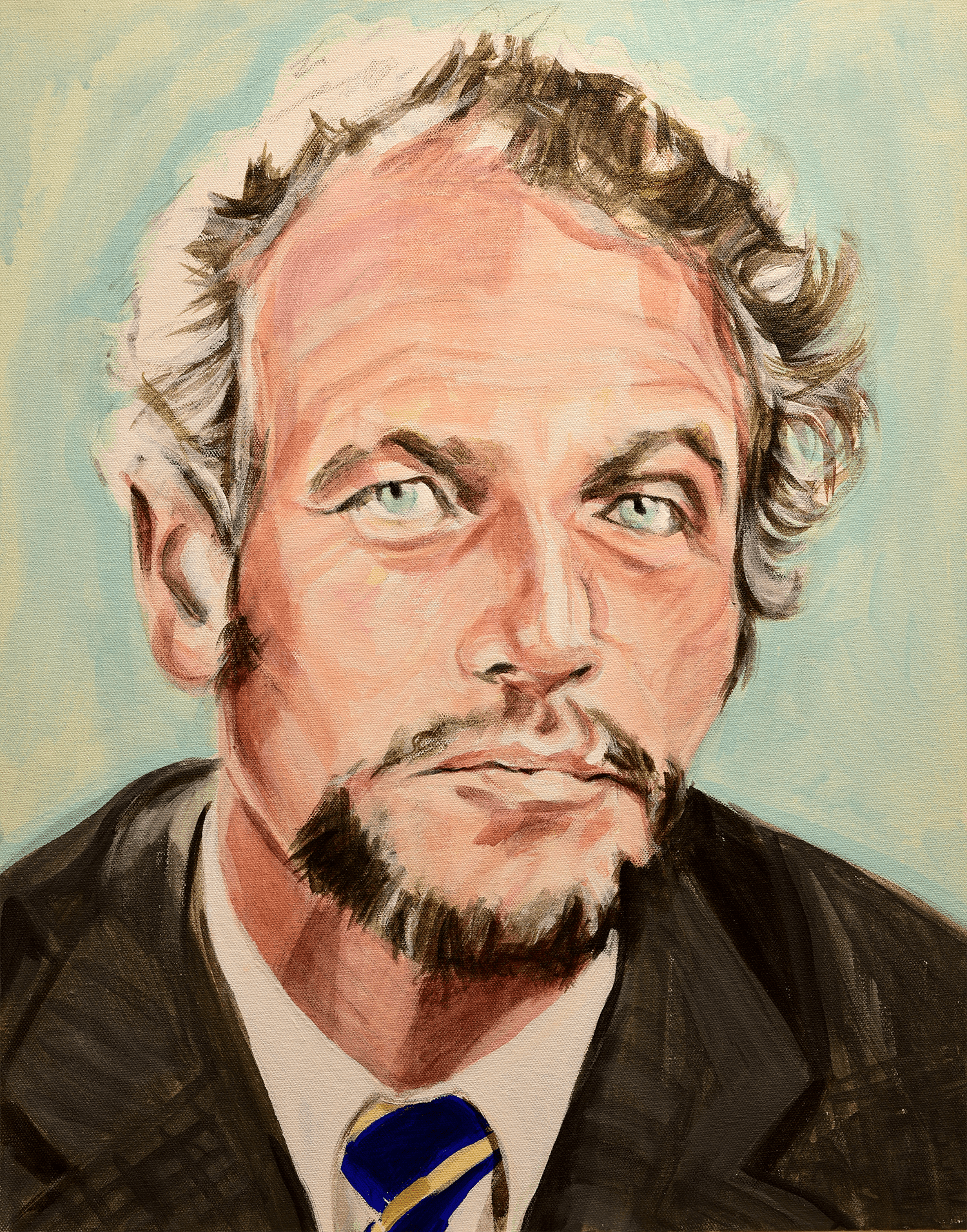
Paul Leonard NEWMAN
An American actor and vocal critic of the Vietnam war. For this, Newman's name also appeared on the famous Nixon "Enemies List" which Newman then claimed was his biggest achievement.
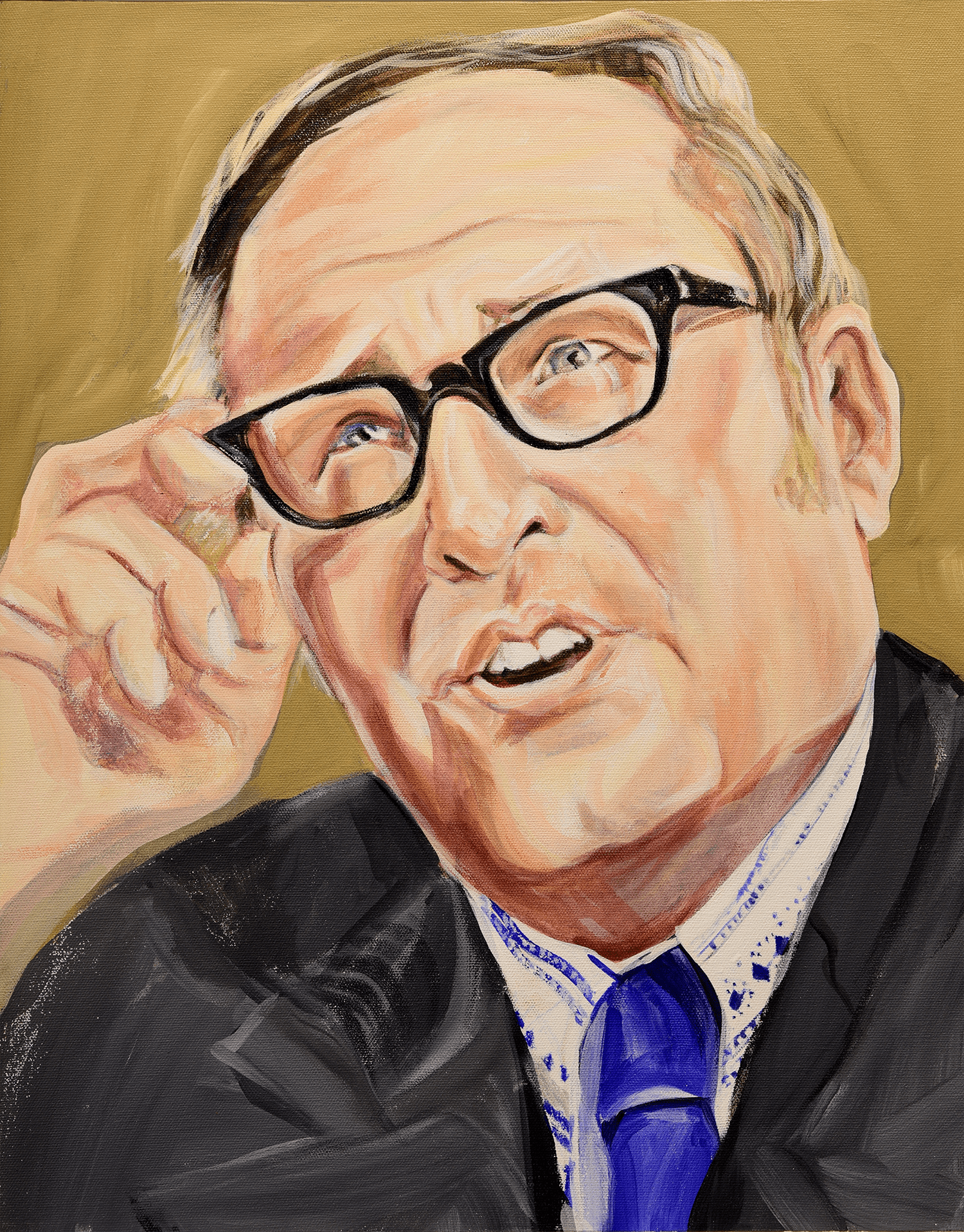
John Northman “Jack” Anderson
An American investigative journalist and a syndicated columnist, much disliked by Richard M Nixon who blamed his reporting to have contributed to Nixon's 1960 Presidential loss. Anderson also published the memo written by Dita Beard, a lobbyist for International Telephone and Telegraph (ITT) suggesting that ITT might donate $400,000 to underwrite the 1972 Republican Convention if three Federal antitrust suits would be settled favorably to the Company. It was revealed during the Watergate hearings that Anderson was the intended target of a bizarre assassination plot by G. Gordon Liddy and E. Howard Hunt.
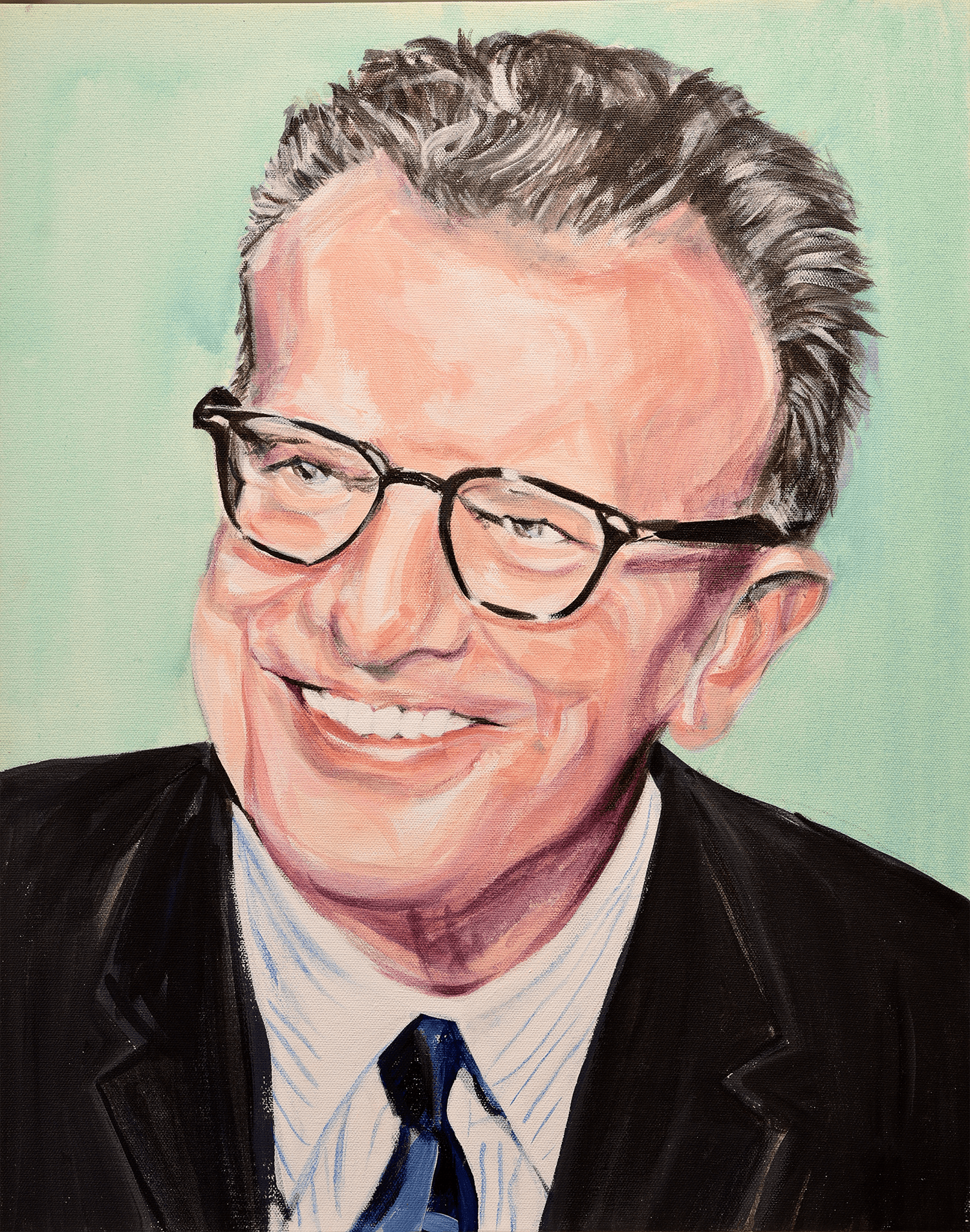
Larry O’BRIEN Jr.
O'Brien was the Chairman of the Democratic National Committee (DNC) in 1972 when the DNC headquarters were located in the Watergate Complex. O'Brien's phone line was one of the two taps placed by the Watergate burglars during their undiscovered first break-in on May 28, 1972. (The other tap was placed on the phone line of Robert Spencer Oliver, executive director of the Association of State Democratic Chairmen).
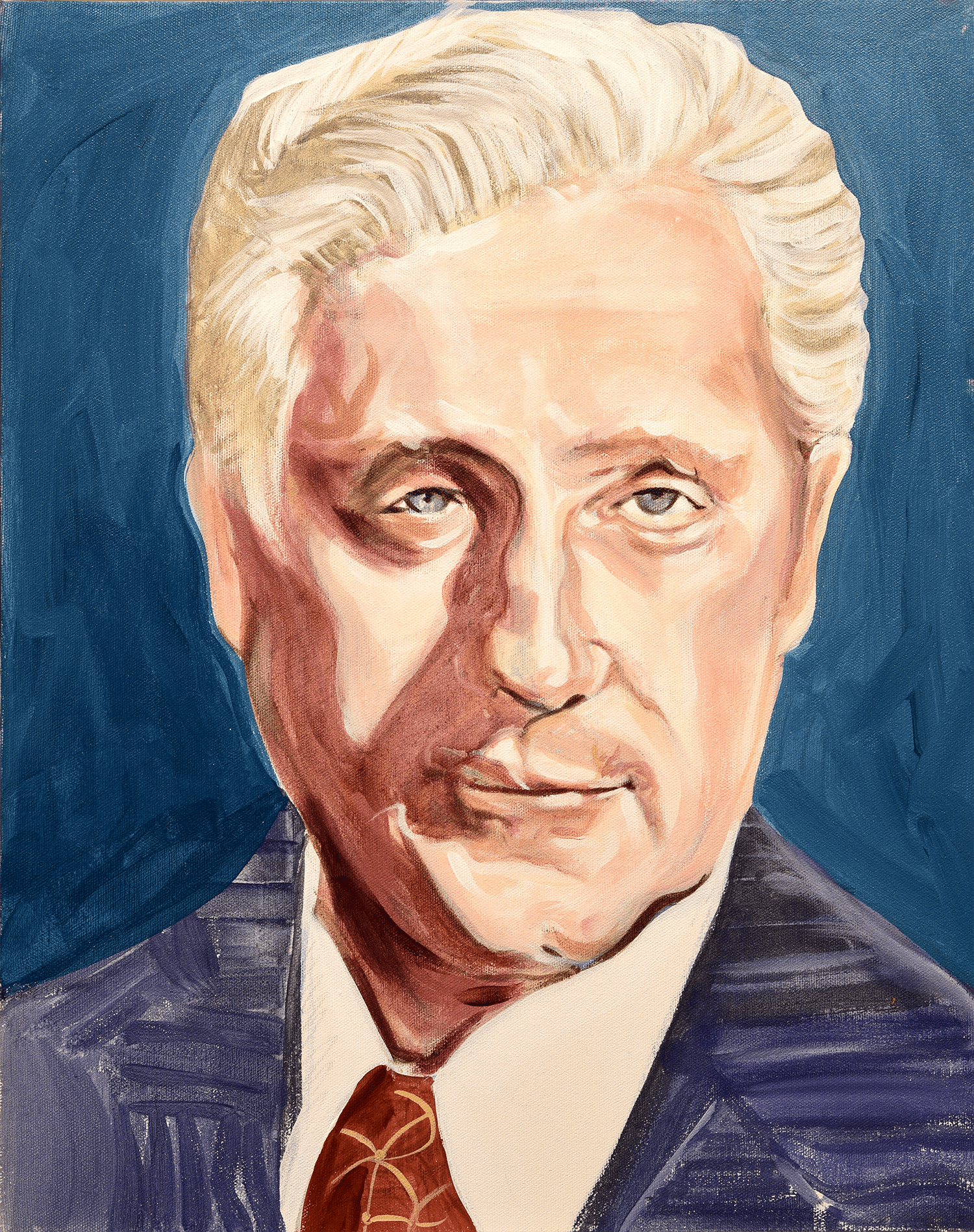
W. Mark FELT
A lawyer and FBI agent, he was ultimately revealed to be "Deep Throat", the primary information source to Bob Woodward about the developing Watergate scandal exposed in the Washington Post. Felt was appointed Associate Deputy Director of the FBI by J. Edgar Hoover in 1972 but left the Bureau in 1973 under pressure from then Acting Director William Ruckelshaus. Felt saw all the developing FBI files on the Watergate break-in investigation. He shared information with Woodward, then a reporter but also a friend from Woodward's time as aide to Admiral T. H. Moorer, Chairman of the Joint Chiefs of Staff. Only after 2005 when Felt was suffering from dementia, did Felt's attorney and family identify Felt as "Deep Throat", which Woodward concurred.
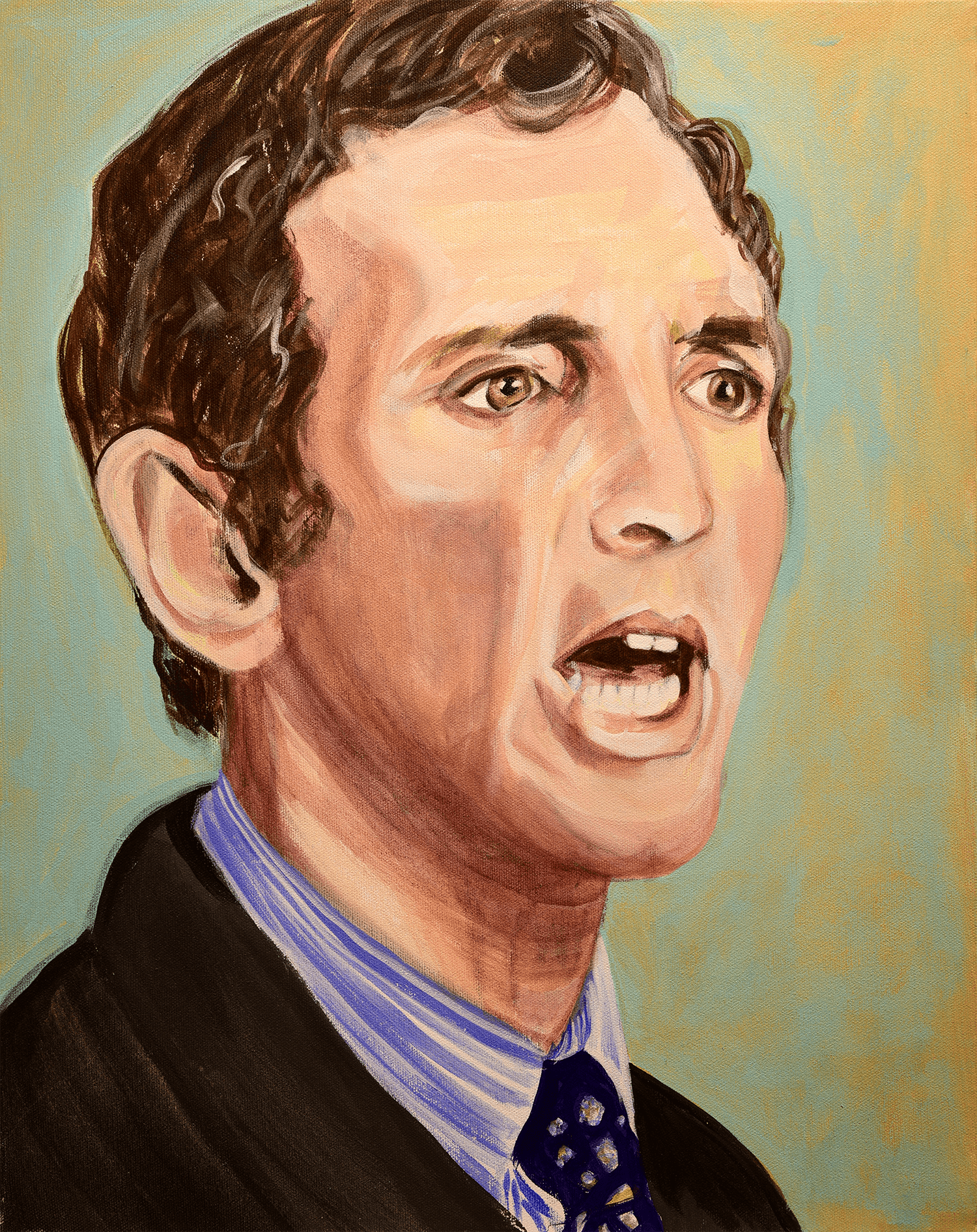
Daniel ELLSBERG
A political activist with a PhD in economics who, while working as a military analyst at the RAND Corporation in 1971, publicly released to the press the "Pentagon Papers", a top-secret Defense Department study pertaining to decision making in the conduct of the Vietnam War. He was prosecuted under the Espionage Act of 1917, but all charges were eventually dismissed. This event was not directly related to the Watergate Scandal, but it was later revealed that G. Gordon Liddy and E. Howard Hunt broke into Ellsberg's psychiatrist's office to try to find information to disparage Ellsberg.
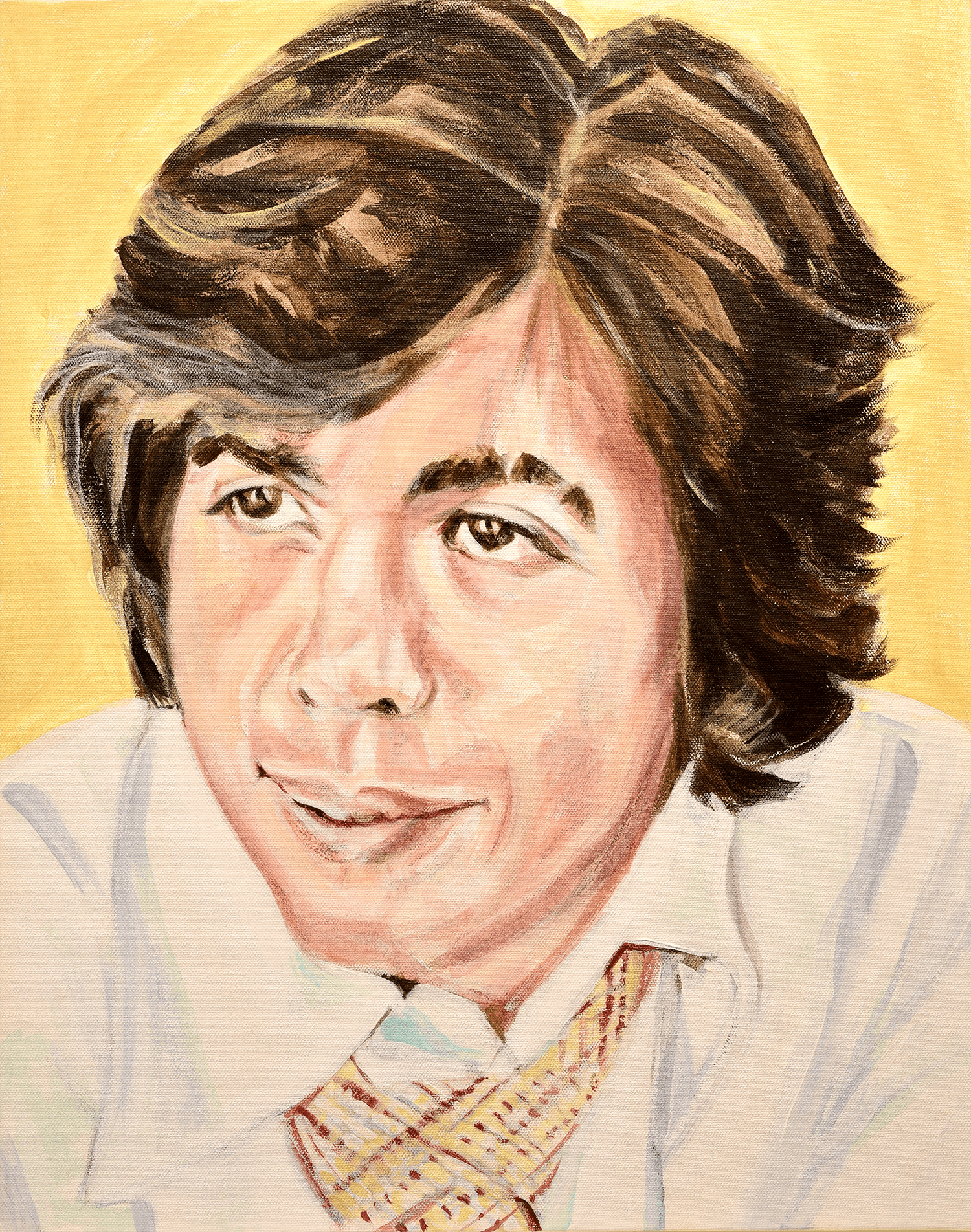
Carl BERNSTEIN
An investigative reporter for the Washington Post, he worked with fellow reporter Bob Woodward o uncover in 1972 most of the original information that developed to be the story now known as "the Watergate scandal".
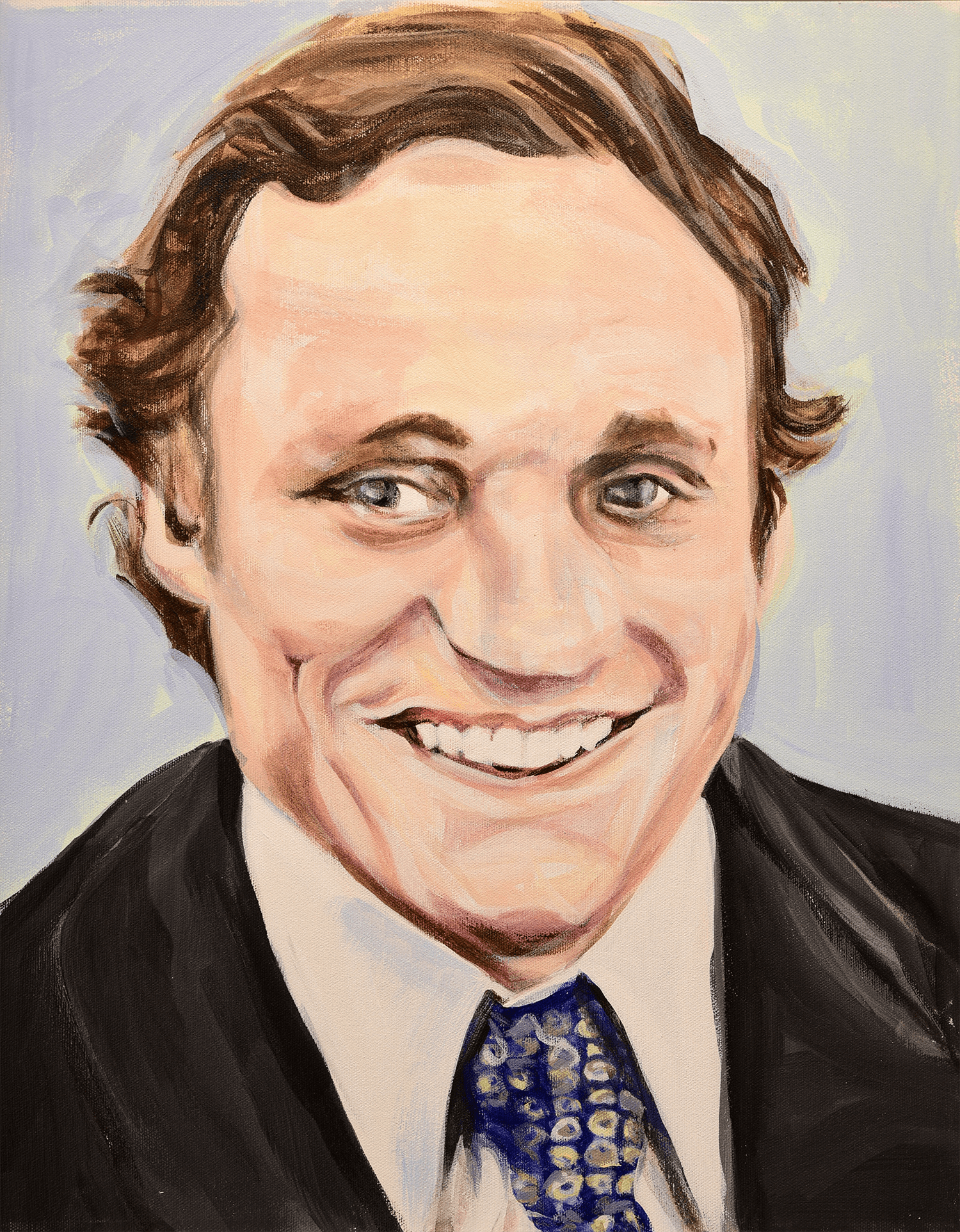
Robert Upshaw “Bob” WOODWARD
As an investigative reporter for the Washington Post, he worked with fellow reporter Carl Bernstein, to uncover in 1972 most of the original information that developed to be the story now known as "the Watergate scandal." Woodward's personal friendship with Mark Felt a/k/a "Deep Throat" was a fundamental factor in revealing the scope of the scandal.
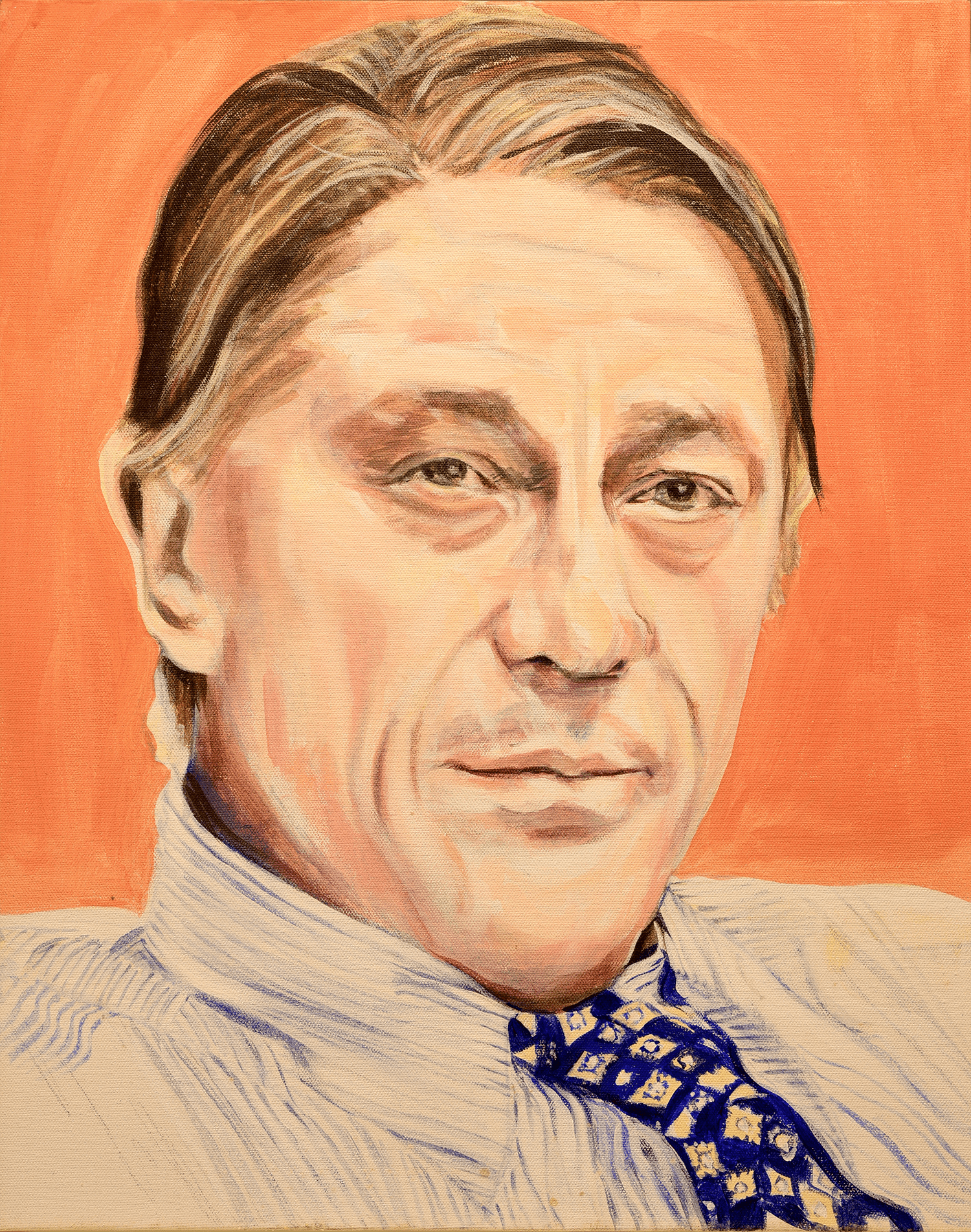
Benjamin C. BRADLEE
The scion of a socially prominent and wealthy New England family, Bradlee was named managing editor of the Washington Post in 1965. He became executive editor in 1968, retiring in 1991. During this period, the Washington Post joined with the New York Times to expose the Pentagon Papers story, and was the primary newspaper breaking and developing the story of the Watergate scandal.
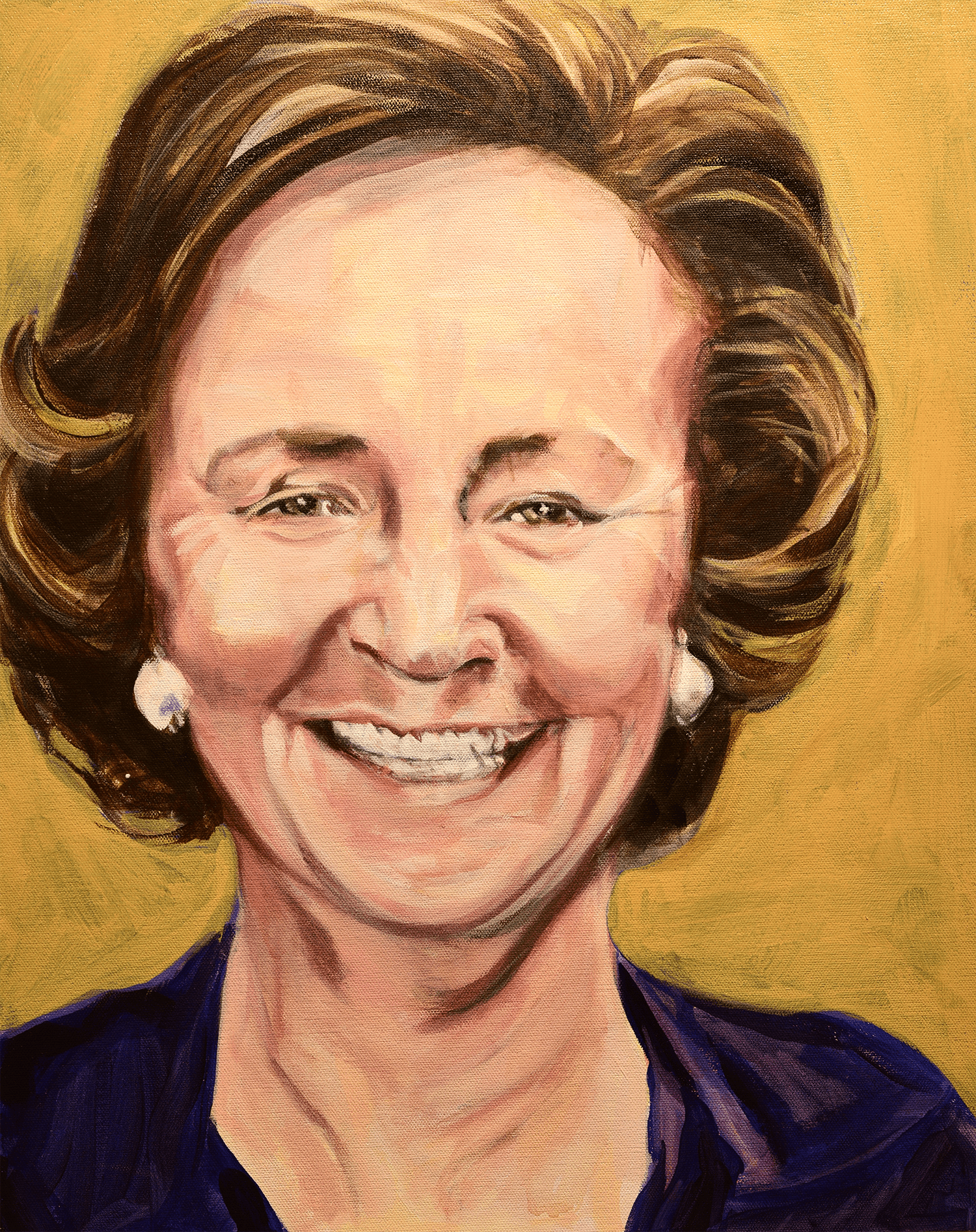
Katharine Meyer GRAHAM
American newspaper publisher. She led her family's newspaper, The Washington Post, from 1963 to 199. She became the first female Fortune 500 CEO in 1972, as CEO of the Washington Post Company and the first woman elected to the board of the Associated Press. Specific to the Watergate scandal, Graham and editor Bradlee first experienced challenges when they published the content of the Pentagon Papers. When Post reporters Bob Woodward and Carl Bernstein brought the Watergate story to Bradlee, Graham supported their investigative reporting and Bradlee ran stories about Watergate when few other news outlets were reporting on the matter. In conjunction with the Watergate scandal, Graham was the subject of one of the best-known threats in American journalistic history. It occurred in 1972, when Nixon's Attorney General, John Mitchell, warned reporter Carl Bernstein about a forthcoming article: "Katie Graham's gonna get her tit caught in a big fat wringer if that's published." The Post published the quote, although Bradlee cut the words her tit. Graham later observed that it was "especially strange of [Mitchell] to call me Katie, which no one has ever called me."
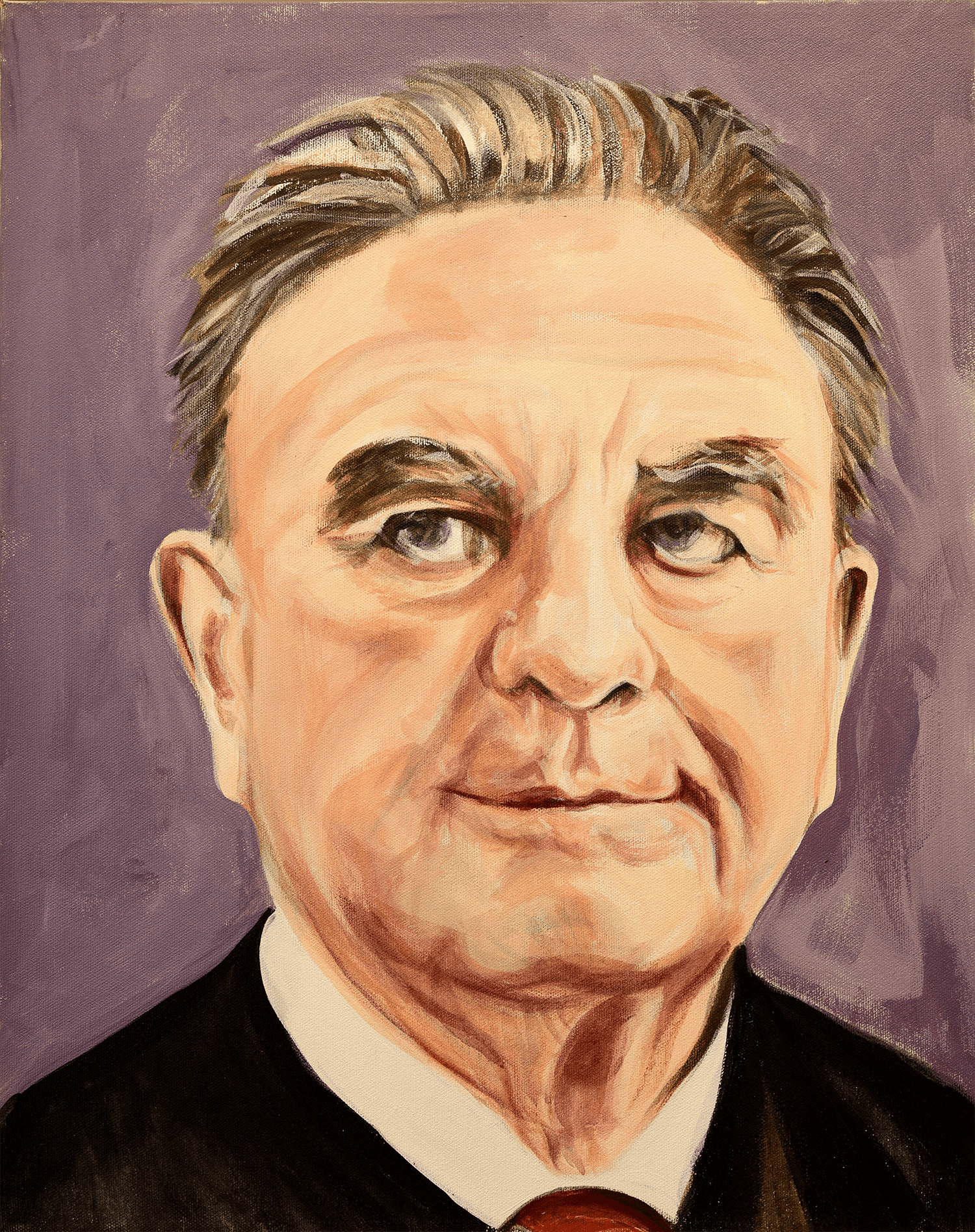
John SIRICA
John Sirica was a judge on the United States District Court for the District of Columbia, nominated to that position by President Dwight D. Eisenhower in 1957. He was an experienced trial lawyer, who became known for his "no-nonsense" demeanor on the bench. It fell to him to preside over the trial of the Watergate burglars, and he achieved national prominence when he ruled that President Richard Nixon must surrender his tape recordings of White House conversations to the Federal prosecutors. In the course of the trial, Sirica came to believe that the defendants gave incomplete testimony about the full scope of activity, and at the time of provisional sentencing, presented the defendants with the possibility of severe sentences. Subsequently, burglar James McCord Jr. wrote a letter describing the larger scope of the affair and involvement of Nixon administration staff. Sirica was named Time magazine's Man of the Year in January 1974.
Robert Heron BORK
During the October 1973 Saturday Night Massacre, Bork became acting U.S. Attorney General after his superiors in the U.S. Justice Department chose to resign rather than fire Special Prosecutor Archibald Cox, who was investigating the Watergate scandal. Following an order from President Nixon, Bork fired Cox as his first assignment as Acting Attorney General. Bork served as Acting Attorney General until January 4, 1974, and was succeeded by Ohio U.S. Senator William B. Saxbe.
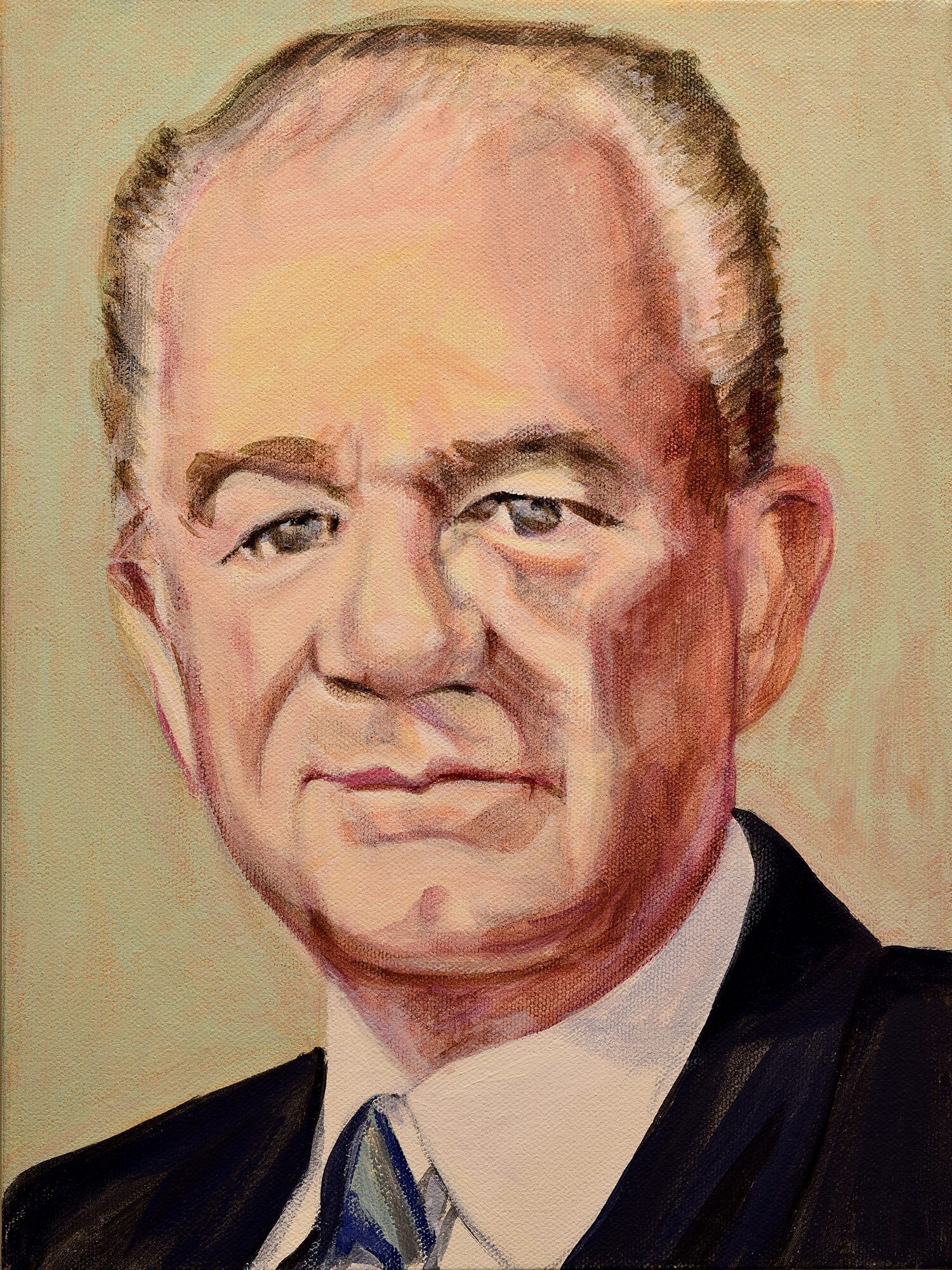
Leonidis “Leon” JAWORSKI
American attorney and law professor who served as the second special prosecutor during the Watergate scandal. He was appointed to that position on November 1, 1973, soon after the "Saturday Night Massacre" of October 19–20, 1973, which included the dismissal of his predecessor Archibald Cox. Jaworski subsequently subpoenaed sixty-four of Nixon's taped conversations. Nixon appealed on two grounds: first, that the office of Special Prosecutor did not have the right to sue the office of President; and second, that the requested materials were privileged presidential conversations. Aware that an important constitutional issue was at stake, and unwilling to wait any longer, Jaworski asked the Supreme Court to take the case directly, bypassing the Court of Appeals. On July 24, 1974, the Supreme Court ruled that the Special Prosecutor did have the right to sue the President; and that the "generalized assertion of [executive] privilege must yield to the demonstrated, specific need for evidence in a pending criminal trial." Nixon was forced to give the unedited tapes to Jaworski, including the so-called "Smoking Gun Tape" which included a compromising discussion of June 23, 1972 between Nixon and H. R. Haldeman.
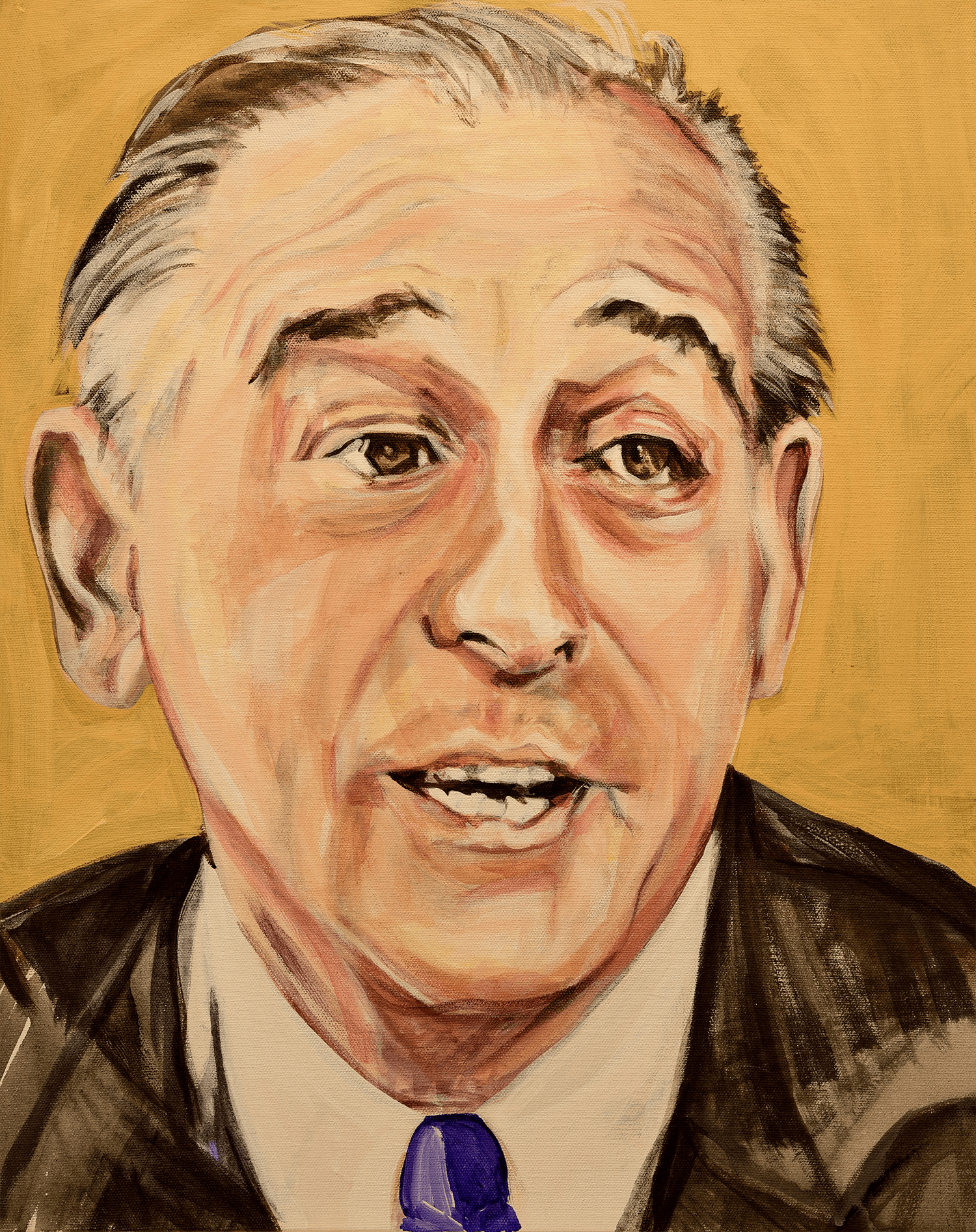
Charles A. HUFNAGEL, M.D.
Dr. Hufnagel was a distinguished cardiac surgeon who invented the first artificial heart valve. In 1974, Judge John Sirica appointed a panel of physicians, which Dr. Hufnagel chaired, to provide a medical evaluation of the condition of the then former President Richard Nixon. The panel found that Nixon was too ill to testify for at least six weeks, but refused to provide a reason citing medical confidentiality. Nixon never did testify.
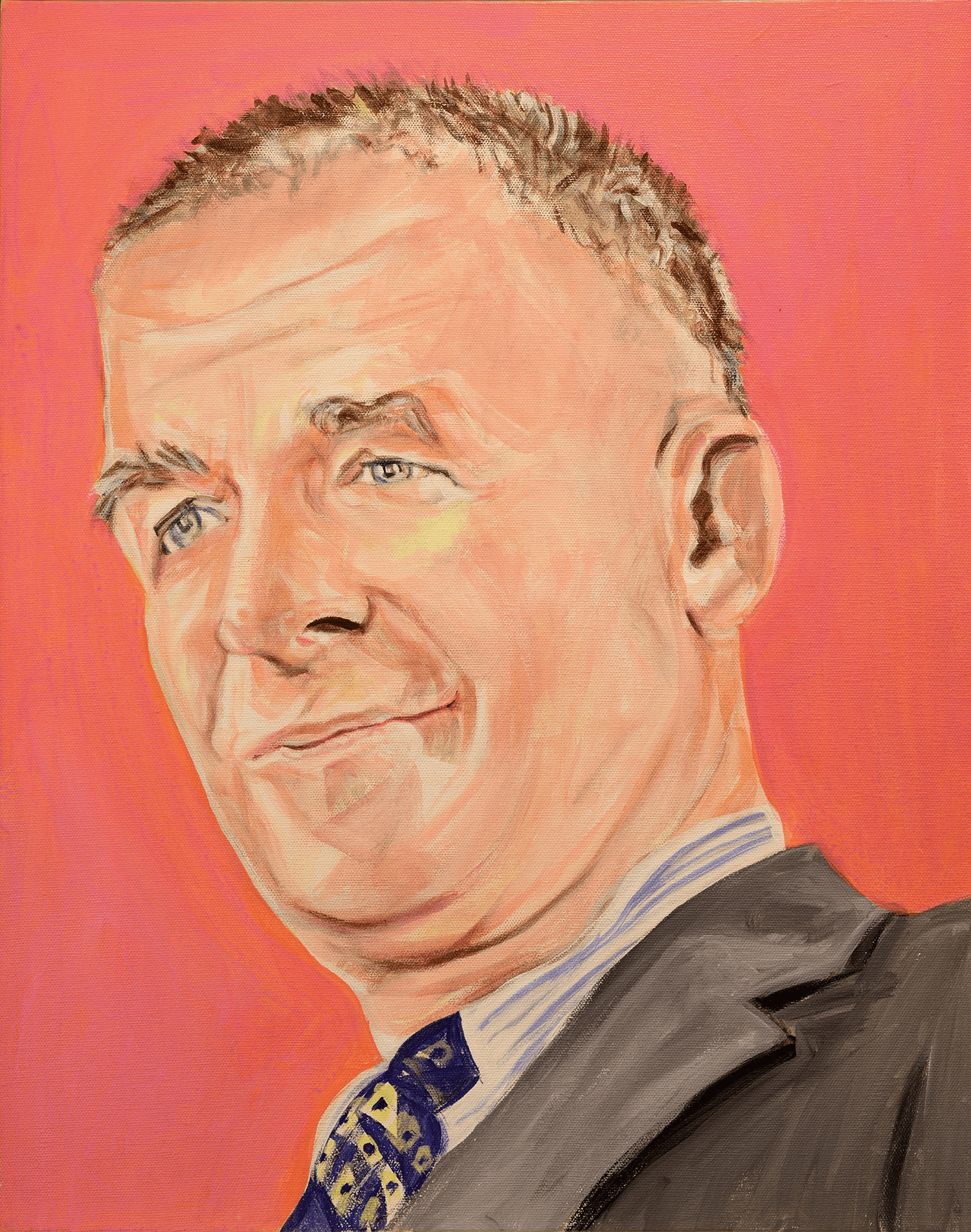
Archibald COX Jr.
A legal scholar specializing in constitutional law who was U. S. Solicitor General under President Kennedy, he was appointed Special Prosecutor by Acting Attorney General Elliot Richardson during the Watergate Scandal. Cox could be dismissed only by Richardson and only for "extraordinary improprieties". Subsequent to Butterfield's testimony revealing the existence of a White House taping system, Cox sent Nixon's attorneys a written request for eight specific tapes. The White House denied the request on grounds of executive privilege and separation of powers. On July 18, 1973, Cox served a grand jury subpoena demanding the eight tapes. On August 29, Judge Sirica ordered the President to deliver all the material to him for review. After review by the Court of Appeals, in a 5-2 decision the Court required disclosure of the tapes except for portions that the President could articulate a particularized need for confidentiality, and Cox was permitted to see any portion where Judge Sirica needed guidance on relevance. After rejecting the 'Stennis Compromise', Cox was fired by Nixon during what has been called "the Saturday Night Massacre" for refusing a direct order to cease asking for tapes and other materials from the White House.
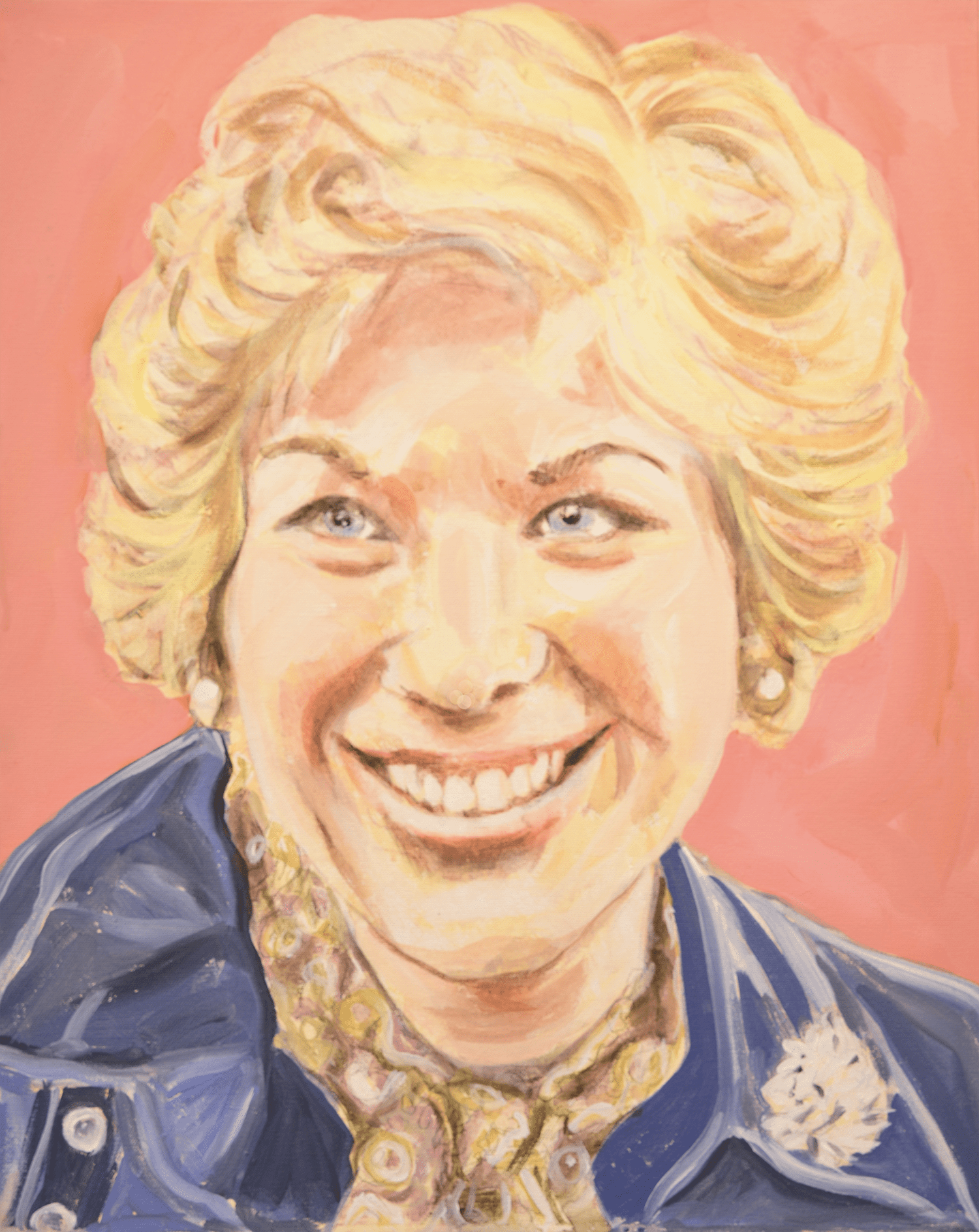
Jill Volpe WINE-BANKS
American lawyer. During the Watergate scandal, she served on the staff of Special Prosecutor. In that capacity, in the proceedings before Judge John Sirica, she was responsible for cross-examining Rose Mary Woods, President Nixon's secretary, about the 18.5 minute gap on the Watergate tapes. During cross-examination, Wine-Volner had Woods recreate the way in which Woods claimed she accidentally erased a portion of the tape when she was transcribing it. Woods had claimed to have kept her foot on the pedal on the tape recorder, and Wine-Volner succeeded in demonstrating that this was implausible.
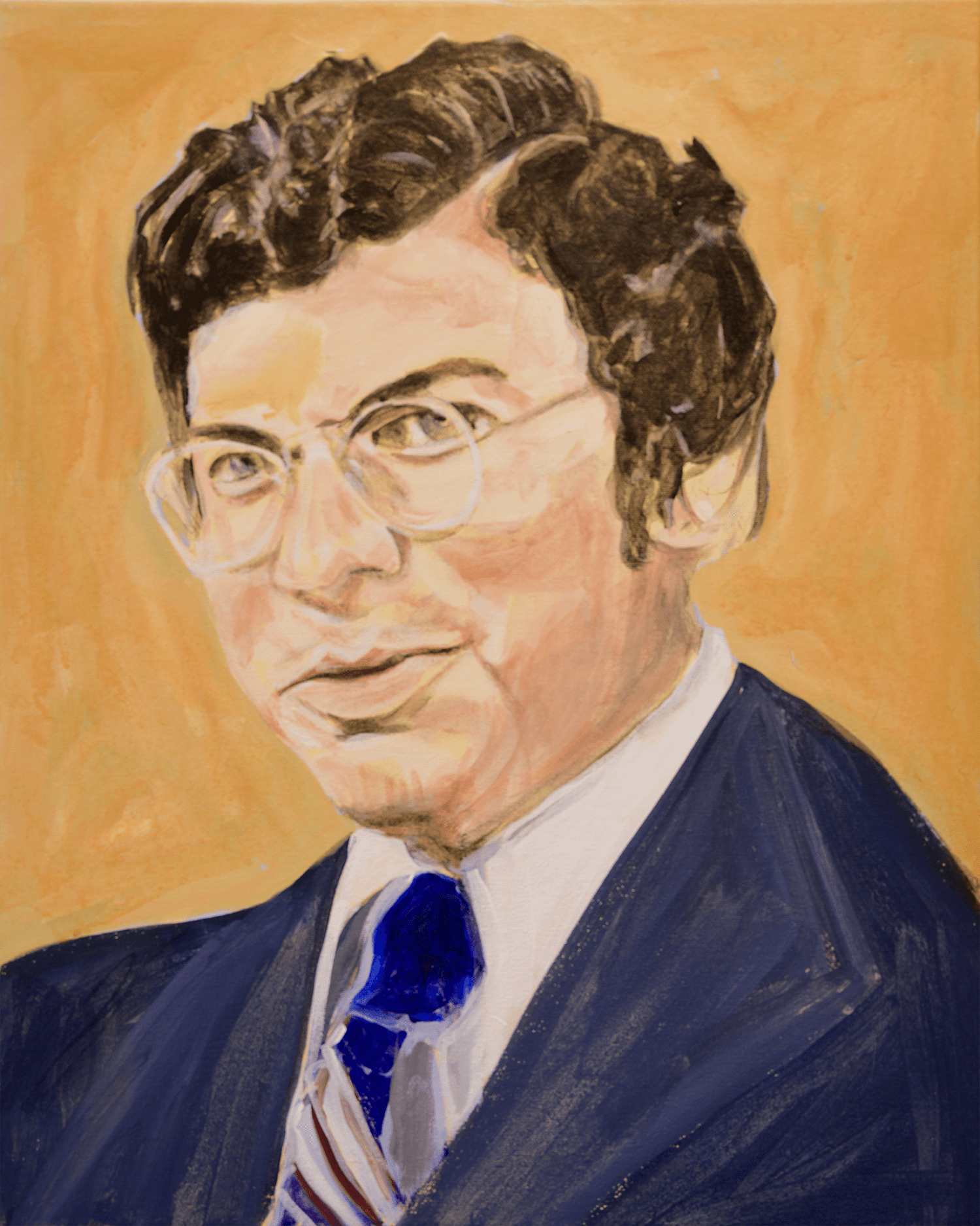
Richard BEN-VENISTE
American lawyer. Ben-Veniste was an assistant U.S. attorney (1968-1973) in the Southern District of New York, and chief of the Special Prosecutions section, (1971-1973). He became a leading Watergate prosecutor, as chief of the Watergate Task Force of the Watergate Special Prosecutor's Office (1973-1975). Ben-Veniste was key in the decision of the Special Prosecutor's office including President Nixon as an unnamed unindicted co-conspirator as an alternative to seeking an outright indictment.
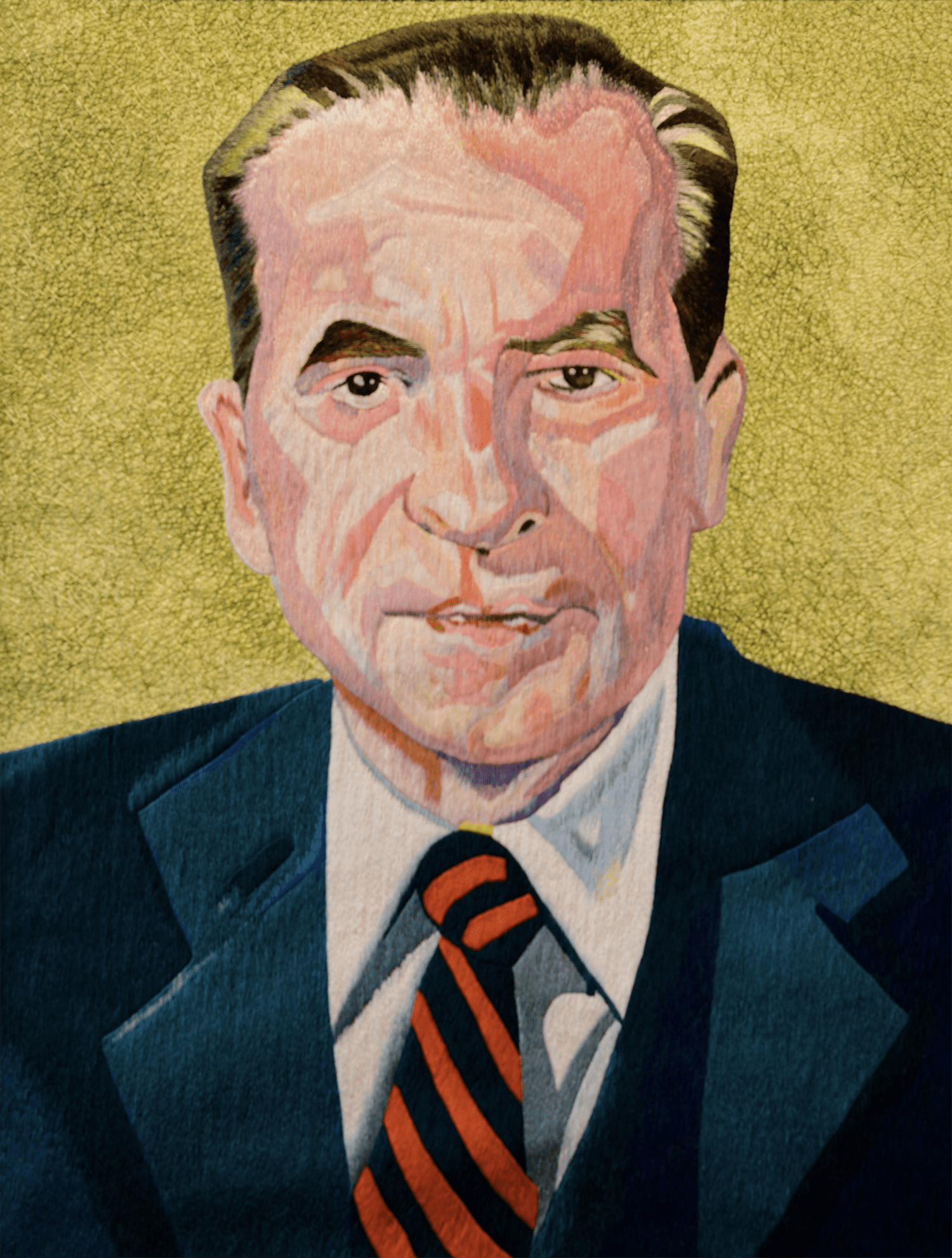
Richard NIXON (Revisited)
A friend of Laurie & Max Munn, an artist in China, who admired Laurie's paintings asked if he could produce a copy of Laurie's painting of Richard Nixon using traditional silk embroidery. This silk embroidery was made in the late 1990s using an image of Nixon that Laurie had painted somewhat earlier and was part of her 'Presidents' series. The embroidery was done entirely by hand using many different colors of fine silk thread.
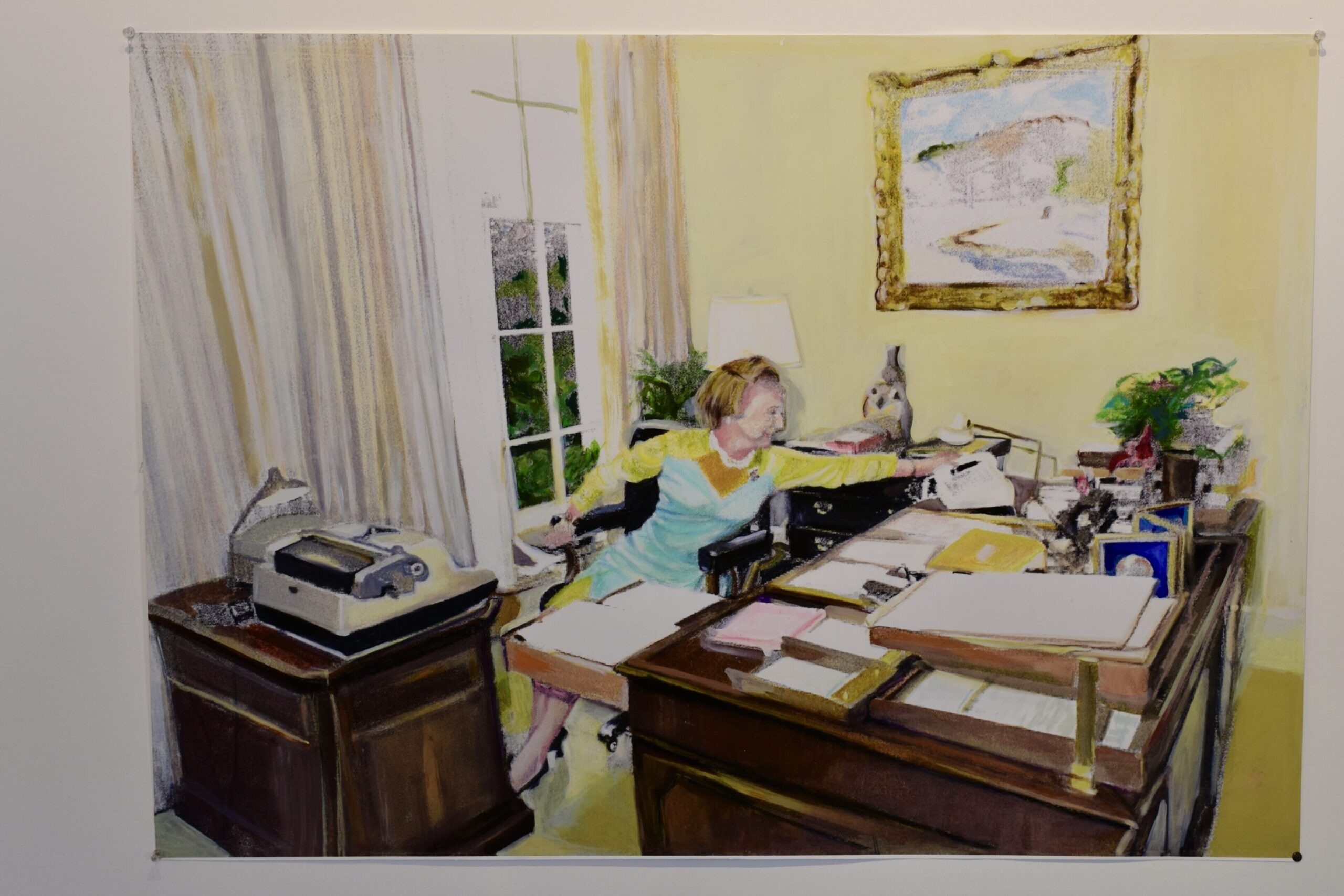
The "Rose Mary Stretch"
Woods was Richard Nixon's private secretary from 1951 to the end of his political career. A close friend of the entire Nixon family, Woods was fiercely loyal and took the blame for the accidental erasure of several minutes of one of the White House tapes, stating that this must have occurred while she was reaching for something beyond her desk. This motion was nicknamed the "Rose Mary Stretch."